

Emergency & Help
24/7 Emergency & General Advisory
🚨 24/7 Medical Emergency
Non-Emergency Advisory
10:00 AM – 6:00 PM, Mon–Sat
For appointments & general queries.
24/7 Emergency & General Advisory
🚨 24/7 Medical Emergency
Non-Emergency Advisory
10:00 AM – 6:00 PM, Mon–Sat
For appointments & general queries.
A comprehensive guide to non-binary top surgery, exploring options for individuals assigned female at birth (AFAB) and assigned male at birth (AMAB), including breast reduction, removal, and enhancement.
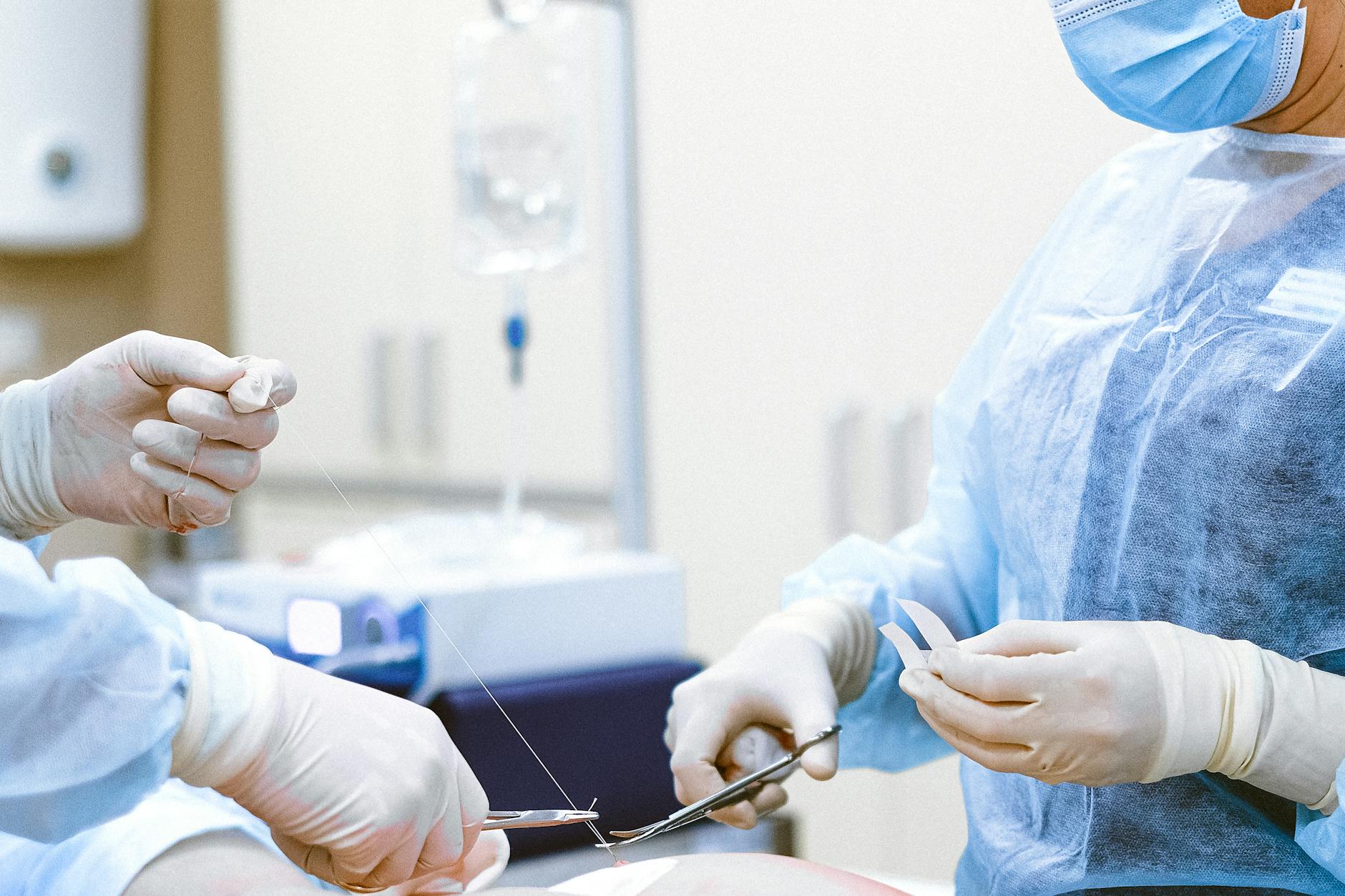
For individuals who identify as non-binary, the journey of gender affirmation can involve various medical and personal choices. One significant aspect for many is 'top surgery,' a term often used to describe gender-affirming surgeries aimed at aligning one's physical appearance with their gender identity. It's crucial to understand that being non-binary does not dictate a specific look or require any particular medical interventions. However, for those who feel that chest surgery would enhance their well-being and gender expression, options are available. This guide explores the different types of top surgery relevant to non-binary individuals, addressing both those assigned female at birth (AFAB) and those assigned male at birth (AMAB).
Top surgery, in the context of gender affirmation, refers to surgical procedures that alter the chest to better match a person's gender identity. This can involve reducing, removing, or augmenting breast tissue. The goal is to help individuals feel more comfortable and congruent in their bodies, which can significantly improve mental health and overall quality of life. It's important to remember that top surgery is a personal choice, and not all non-binary individuals choose or need it to affirm their identity.
For those assigned female at birth, top surgery can be sought for various reasons related to gender affirmation. These reasons often involve altering existing breast tissue to achieve a chest appearance that aligns with their gender identity. The primary options include:
Many non-binary individuals AFAB may wish to reduce the size of their breasts. This procedure aims to create a smaller, more proportionate chest. During the consultation, patients can discuss their desired outcome with the surgeon, including the extent of tissue removal and the desired aesthetic (masculine, feminine, or neutral). This option allows for a significant alteration while potentially retaining some breast tissue if desired.
For some, the goal is the complete removal of breast tissue. This is often sought by individuals who desire a flatter chest appearance. The surgical process for this is similar to a mastectomy performed for other medical reasons, such as gynecomastia in individuals AMAB or for transgender men seeking a masculine chest.
While less commonly discussed in the context of non-binary top surgery for AFAB individuals, some may desire to increase the size of their chest to align with their gender identity. This procedure is akin to standard breast augmentation surgery. The desire for a larger chest is as valid as the desire for a smaller one in affirming one's non-binary identity.
Individuals assigned male at birth may also seek top surgery for gender affirmation, particularly if they identify with a transfeminine identity or simply desire a different chest appearance. The options for AMAB individuals often include:
Some AMAB individuals may wish to develop or enlarge their breasts. This can be achieved through breast augmentation surgery, similar to that performed for cisgender women or AFAB non-binary individuals seeking enhancement. This is especially relevant for those who may have undergone hormone replacement therapy (HRT) which can lead to breast growth, or for those who desire augmentation independent of HRT.
Many individuals AMAB may develop enlarged breast tissue, a condition known as gynecomastia, even without HRT. Some non-binary or intersex individuals AMAB may not desire the appearance of breasts and opt for their removal. This procedure is similar to the mastectomy performed for transgender men or for gynecomastia.
Similar to AFAB individuals, AMAB individuals may also opt for breast reduction if they have developed breast tissue but do not wish for complete removal. This allows for sculpting the chest to a desired size and shape.
The relationship between hormone therapy and top surgery can vary. For individuals assigned female at birth (AFAB), hormone therapy is not always a prerequisite for top surgery. However, for individuals assigned male at birth (AMAB) seeking breast augmentation, the current WPATH (World Professional Association for Transgender Health) Standards of Care often recommend being on hormone therapy for at least 12 months. This duration allows for maximum breast growth before surgical intervention, potentially leading to better aesthetic outcomes.
The cost of top surgery can be a significant factor. Out-of-pocket expenses typically range from $6,000 to $12,000, depending on the surgeon, location, and complexity of the procedure. In some countries, like the United States, Medicare has covered gender-affirming care since 2014, though specific requirements must be met for approval. It is essential to consult with your insurance provider and the surgical office to understand coverage details and potential financial assistance options.
During consultations with potential surgeons, open and honest communication is key. You have the right to express your desires for your chest and to review the surgeon's previous work. Discuss your goals, concerns, and any specific aesthetic preferences you have. Asking to see before-and-after photos of previous surgeries, particularly those similar to your desired outcome, can be very helpful in making an informed decision.
It's important to be aware that some individuals may face discrimination or 'fatphobia' when seeking gender-affirming care, including top surgery. While BMI requirements are not always empirically based, biases can exist. If you have a larger chest or body size, you may be recommended specific surgical techniques, such as the 'double incision' method, which is effective for achieving significant changes in larger chests. Advocate for yourself and seek surgeons who are experienced and affirming of diverse body types.
If you are considering top surgery as part of your gender affirmation journey, the first step is to consult with a qualified healthcare professional. This could be a primary care physician, an endocrinologist, a therapist specializing in gender identity, or a surgeon experienced in gender-affirming procedures. They can provide guidance, discuss your options, and help you navigate the process, including referrals and necessary documentation.
Top surgery is a significant step for many non-binary individuals seeking to align their physical appearance with their gender identity. Whether the goal is reduction, removal, or enhancement, various surgical options are available. Understanding these options, the associated costs, and the importance of a thorough consultation process empowers individuals to make informed decisions that best support their well-being and self-expression. Remember, there is no single way to be non-binary, and your choices regarding your body are valid and personal.
Visit Hospital
Near You
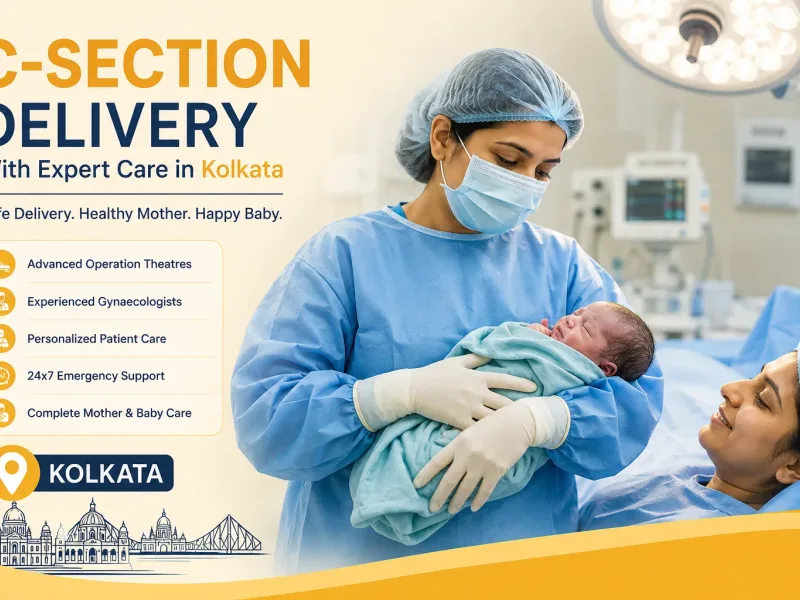
A cesarean section (C-section) is a surgical delivery in which a baby is born through an incision in the mother's abdomen and uterus. In Kolkata, several experienced obstetricians and well-equipped hospitals offer C-section services for planned and emergency deliveries. Understanding when a C-sectio
July 31, 2026
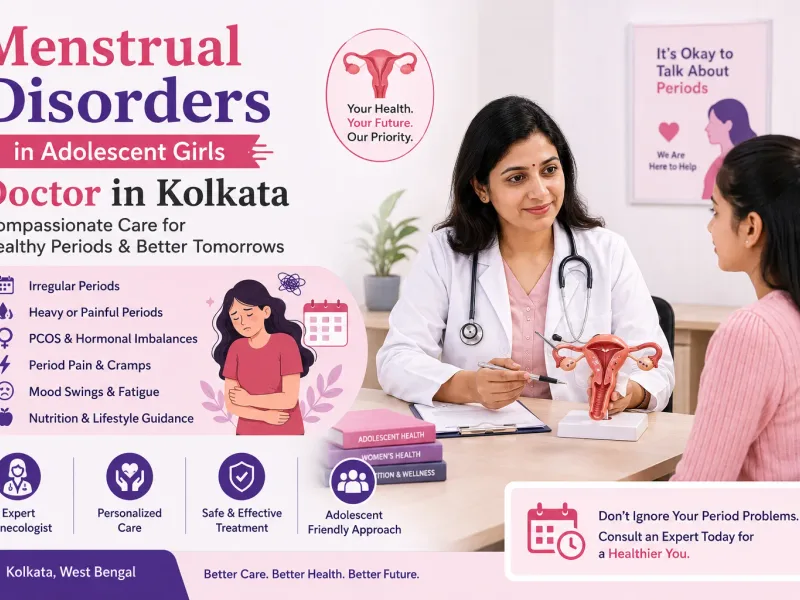
If you are searching for a Menstrual Disorders in Adolescent Girls Doctor in Kolkata, early evaluation by an experienced gynecologist can help identify the underlying cause of irregular or painful periods. While menstrual irregularities are common during the first few years after puberty, persistent
July 31, 2026
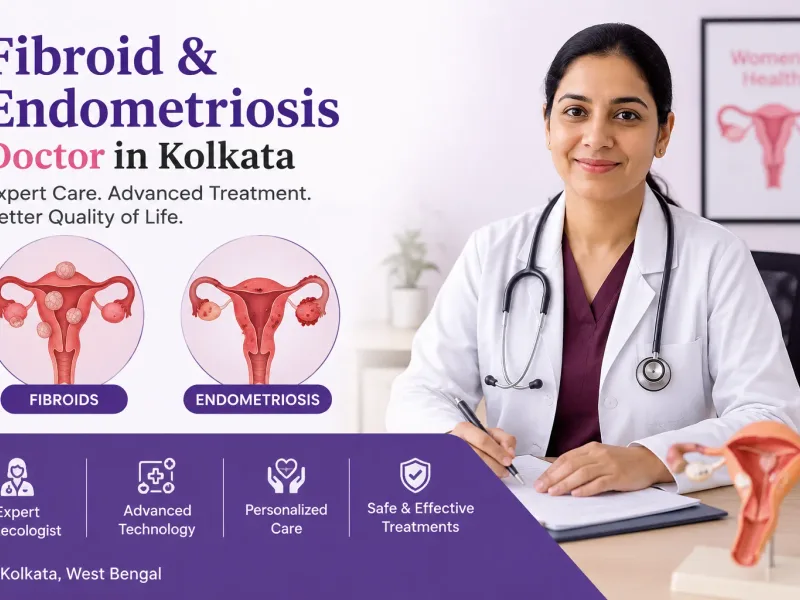
If you are searching for a Fibroid & Endometriosis doctor in Kolkata, choosing an experienced gynecologist with expertise in minimally invasive gynecological surgery is essential. Uterine fibroids and endometriosis are two common but different conditions that can cause pelvic pain, heavy menstrual b
July 31, 2026