

Emergency & Help
24/7 Emergency & General Advisory
🚨 24/7 Medical Emergency
Non-Emergency Advisory
10:00 AM – 6:00 PM, Mon–Sat
For appointments & general queries.
24/7 Emergency & General Advisory
🚨 24/7 Medical Emergency
Non-Emergency Advisory
10:00 AM – 6:00 PM, Mon–Sat
For appointments & general queries.
Explore nonhormonal birth control options! Learn about barrier methods, copper IUDs, fertility awareness, and more, all without altering your body's natural hormones. Find the best fit for you.

Navigating the world of contraception can feel overwhelming, especially when you're looking for options that don't involve hormones. Many women in India seek birth control methods that work with their body's natural rhythms rather than altering them. This is where nonhormonal birth control shines! It offers a way to prevent pregnancy without introducing synthetic hormones into your system, which can be a significant relief for those sensitive to hormonal side effects or with specific health concerns. Let's explore what nonhormonal birth control truly means and the diverse range of choices available to you.
Simply put, nonhormonal birth control refers to any method of preventing pregnancy that does NOT interfere with your body's natural hormone levels. Unlike the pill, patch, or hormonal IUDs, these methods rely on different strategies to stop sperm from reaching an egg or to prevent ovulation altogether, but without manipulating your endocrine system. Think of them as working *with* your body, not *on* it, in terms of hormonal balance.
The decision to use birth control is deeply personal. For some, hormonal methods might be a perfect fit. However, others experience side effects like mood swings, weight changes, irregular bleeding, or even increased risk of blood clots. Nonhormonal methods offer a compelling alternative for several reasons:
The world of nonhormonal contraception is surprisingly diverse. Let's break down the main categories:
These methods work by creating a physical barrier that prevents sperm from entering the uterus and reaching an egg. They are often used in conjunction with spermicide for added protection.
Spermicides are chemicals that kill sperm. They come in various forms: foam, gel, suppositories, and films. They are inserted into the vagina before intercourse. While they can be used alone, their effectiveness is significantly lower (around 79% typical use) when used without a barrier method. They are best used as a backup method.
The Copper IUD (Intrauterine Copper device) is a small, T-shaped device inserted into the uterus by a doctor. It releases copper ions, which are toxic to sperm and can also prevent a fertilized egg from implanting. It is highly effective (over 99% effective) and can last for up to 10-12 years, making it an excellent option for those seeking long-term, reversible contraception with no hormonal input.
These methods involve tracking your menstrual cycle to identify fertile days and avoiding unprotected intercourse during that time. They require significant commitment, education, and consistent tracking. They include:
FABMs, when followed diligently, can be highly effective (up to 98% effective with perfect use, but around 77% with typical use). However, they require careful monitoring and discipline, and are less effective if your cycles are irregular.
This involves withdrawing the penis from the vagina before ejaculation. While it requires no devices or hormones, it is notoriously unreliable. Pre-ejaculate fluid can contain sperm, and timing withdrawal perfectly is challenging. Its typical effectiveness is only about 78%, making it one of the least effective methods.
For individuals or couples who are certain they do not want any future pregnancies, permanent sterilization is an option. For men, this is a vasectomy. For women, it involves surgical procedures like tubal ligation. These are highly effective (over 99%) but are considered permanent, so the decision must be made with absolute certainty.
It's vital to understand that no birth control method (except abstinence) is 100% effective. Effectiveness is typically discussed in terms of 'perfect use' (when used exactly as directed, every single time) and 'typical use' (how people actually use it in real life, with occasional errors or inconsistencies). Always consider the 'typical use' rates when evaluating your options.
Choosing a birth control method is a significant decision. It's always best to discuss your options with a healthcare professional, especially a gynecologist or a family planning expert. They can:
Don't hesitate to ask questions! Your comfort, health, and peace of mind are paramount. Understanding nonhormonal birth control empowers you to make an informed choice that aligns with your body and your life.
Yes, absolutely. Many women with Polycystic Ovary Syndrome (PCOS) find nonhormonal methods to be a good fit, especially if they experience negative side effects from hormonal treatments or have contraindications. A doctor can help guide the best choice, considering individual symptoms and health goals.
Insertion can cause some discomfort or cramping for a few minutes. Most women tolerate it well, and healthcare providers take steps to minimize discomfort. Some cramping or spotting might occur for a day or two afterward. The long-term benefits of highly effective, hormone-free contraception often outweigh the temporary discomfort of insertion.
Yes, combining methods can often increase effectiveness. For example, using condoms with spermicide or using fertility-awareness methods alongside barrier methods can provide extra layers of protection against pregnancy.
FABMs, particularly those relying on calendar calculations, are less reliable for individuals with irregular cycles. Methods that track daily physiological signs like BBT and cervical mucus can still be used, but require more diligence and may still have lower typical-use effectiveness compared to individuals with regular cycles.
Visit Hospital
Near You

A cesarean section (C-section) is a surgical delivery in which a baby is born through an incision in the mother's abdomen and uterus. In Kolkata, several experienced obstetricians and well-equipped hospitals offer C-section services for planned and emergency deliveries. Understanding when a C-sectio
July 31, 2026
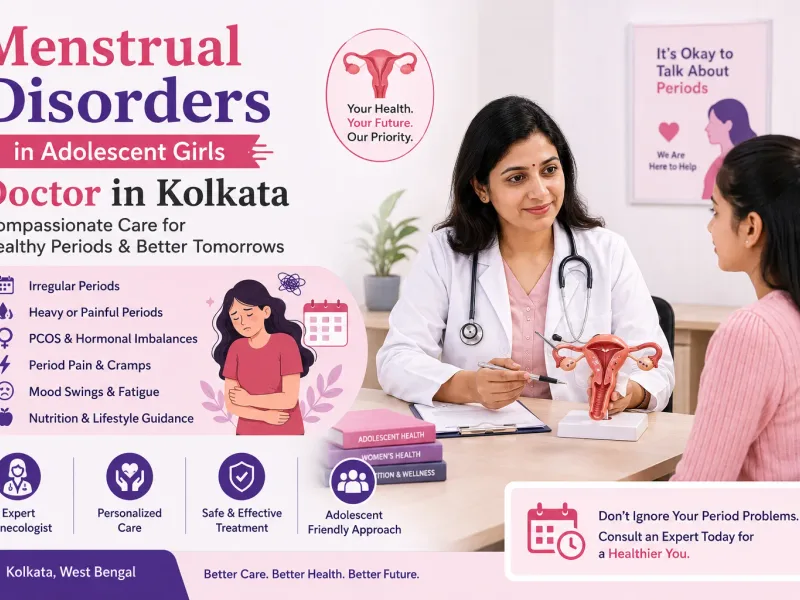
If you are searching for a Menstrual Disorders in Adolescent Girls Doctor in Kolkata, early evaluation by an experienced gynecologist can help identify the underlying cause of irregular or painful periods. While menstrual irregularities are common during the first few years after puberty, persistent
July 31, 2026
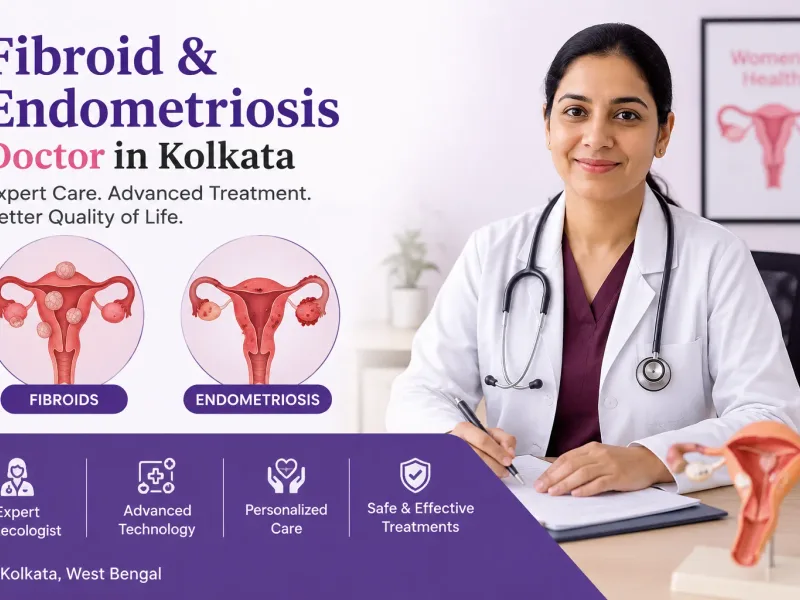
If you are searching for a Fibroid & Endometriosis doctor in Kolkata, choosing an experienced gynecologist with expertise in minimally invasive gynecological surgery is essential. Uterine fibroids and endometriosis are two common but different conditions that can cause pelvic pain, heavy menstrual b
July 31, 2026