

Emergency & Help
24/7 Emergency & General Advisory
🚨 24/7 Medical Emergency
Non-Emergency Advisory
10:00 AM – 6:00 PM, Mon–Sat
For appointments & general queries.
24/7 Emergency & General Advisory
🚨 24/7 Medical Emergency
Non-Emergency Advisory
10:00 AM – 6:00 PM, Mon–Sat
For appointments & general queries.
Learn about Opill, a progestin-only birth control pill. Understand its dosage, how to take it, what to do if you miss a dose, and when to consult a doctor for effective pregnancy prevention.
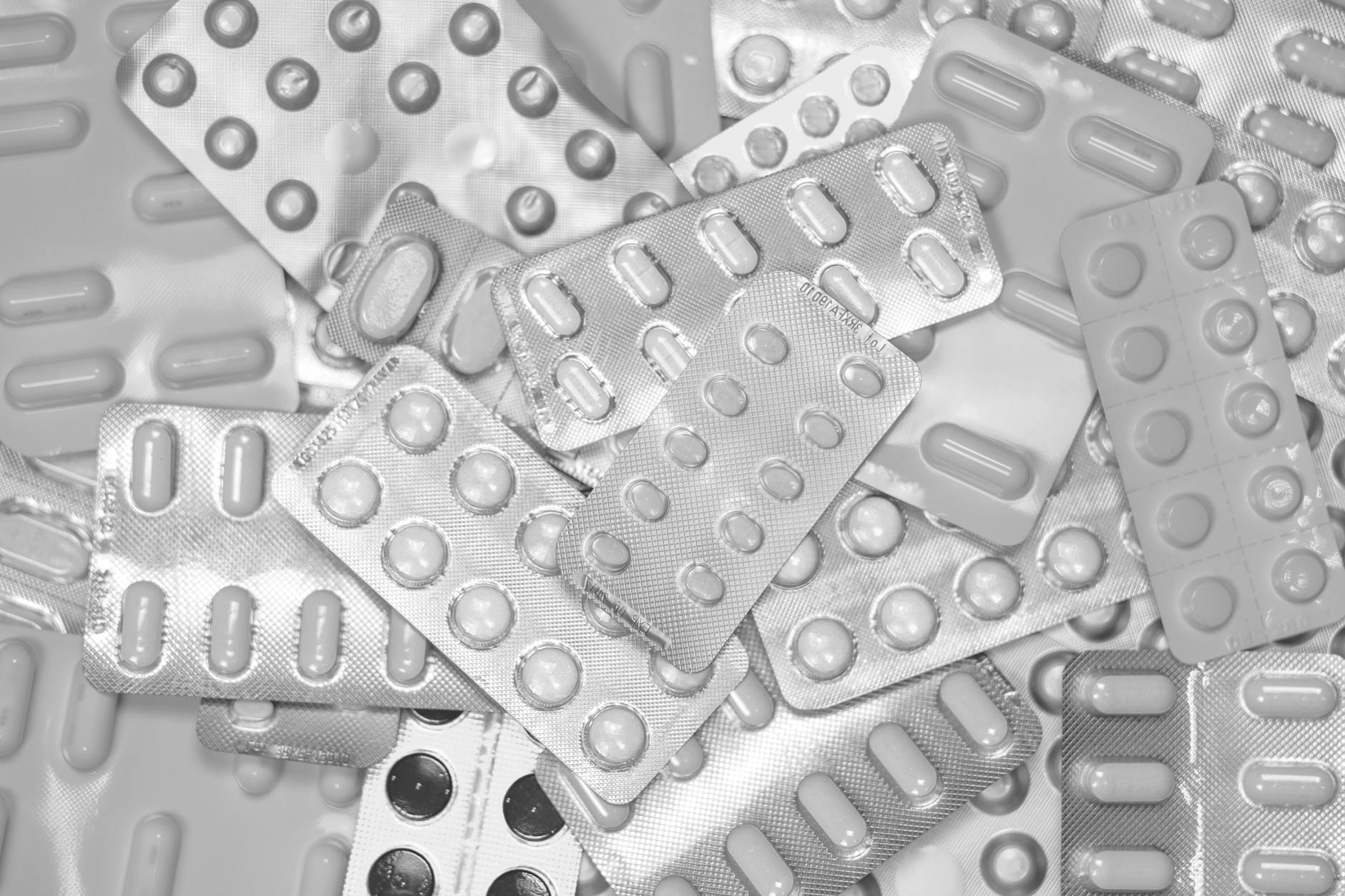
Opill, also known by its active ingredient norgestrel, is a prescription birth control pill that offers a reliable method for preventing pregnancy. It belongs to a class of drugs called progestins, often referred to as a "minipill." Unlike combination birth control pills that contain both estrogen and progestin, Opill contains only progestin. This makes it a suitable option for many individuals, including those who may not be able to take estrogen-containing contraceptives. Opill is available as an oral tablet and is typically taken once daily. It is designed for females of all ages who can become pregnant, including adolescents who have started menstruating and adult women.
The primary mechanism of Opill is to thicken the cervical mucus. This thickening creates a barrier that makes it more difficult for sperm to reach the egg, thereby preventing fertilization. In some cases, Opill may also prevent ovulation, which is the release of an egg from the ovary. By combining these actions, Opill provides effective pregnancy prevention when taken correctly.
Opill comes in one strength: 0.075 milligrams (mg) of norgestrel. It is crucial to take Opill exactly as prescribed by your doctor. The pill is meant to be taken once every day, at the same time each day. Consistency is key to ensuring its effectiveness. You can take Opill with or without food. The important factor is establishing a routine to take it at the same time daily, which helps maintain its contraceptive effect.
It's important to understand that Opill does not provide immediate pregnancy protection. It takes approximately 48 hours after your first dose for Opill to start working effectively. During this initial 48-hour period, you must use a backup method of birth control, such as condoms, during sexual activity. This barrier method will help prevent pregnancy until Opill becomes fully effective.
Missing a dose of Opill can reduce its effectiveness. A missed dose is generally considered if you take your daily pill more than 3 hours later than your usual time. Additionally, if you experience severe vomiting or diarrhea within 4 hours of taking your dose, it may affect the pill's absorption and be considered a missed dose.
If you miss a dose, take it as soon as you remember. In some instances, this might mean taking two pills on the same day (e.g., taking the missed morning dose in the evening). After taking a missed dose, you must use a backup method of birth control, like condoms, for the next 48 hours. This ensures continued protection against pregnancy while the medication re-establishes its full effect.
Opill can be taken long-term for birth control if you and your doctor determine that it is a safe and effective option for you. Regular check-ups with your healthcare provider are recommended to monitor your health and discuss ongoing contraceptive needs.
Swallowing, Chewing, or Crushing: It is not known whether Opill tablets can be cut, chewed, or crushed. If you have difficulty swallowing pills, discuss alternative methods or strategies with your doctor or pharmacist. They can offer guidance on how to manage taking your medication regularly.
Storage and Disposal: For information regarding the proper storage and disposal of Opill, consult your doctor or pharmacist. They can provide guidance on keeping the medication safe and disposing of expired or unused pills responsibly.
It is essential to consult your doctor or seek immediate medical attention in certain situations:
Opill, as a progestin-only pill, offers a distinct advantage for individuals who cannot use estrogen-containing contraceptives due to health reasons such as a history of blood clots, migraines with aura, or certain cardiovascular conditions. It's always best to discuss your medical history and contraceptive options with your healthcare provider to determine the most suitable method for your individual needs.
Opill is an effective birth control option when used as directed. Understanding its dosage, how to take it, and what to do in case of missed doses or emergencies is crucial for maximizing its benefits and ensuring safety. Always prioritize open communication with your healthcare provider regarding your contraceptive choices and any concerns you may have.
Visit Hospital
Near You

A cesarean section (C-section) is a surgical delivery in which a baby is born through an incision in the mother's abdomen and uterus. In Kolkata, several experienced obstetricians and well-equipped hospitals offer C-section services for planned and emergency deliveries. Understanding when a C-sectio
July 31, 2026
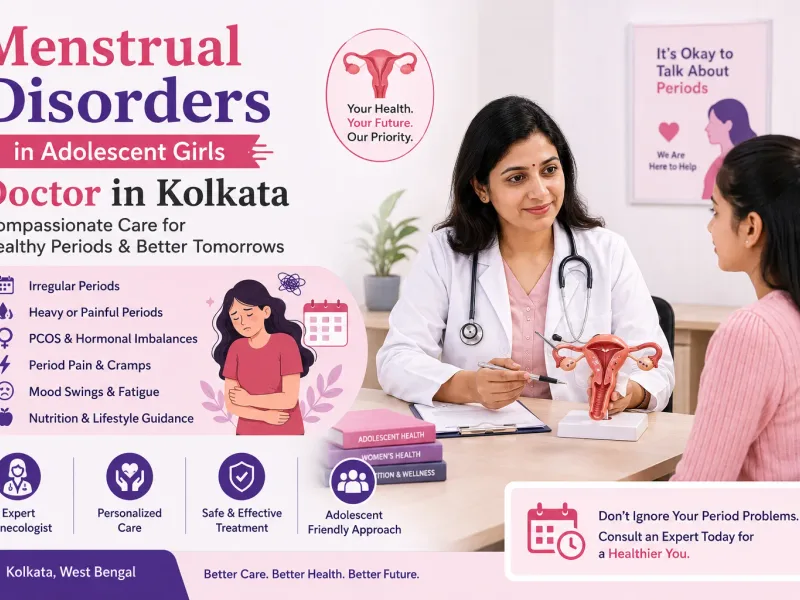
If you are searching for a Menstrual Disorders in Adolescent Girls Doctor in Kolkata, early evaluation by an experienced gynecologist can help identify the underlying cause of irregular or painful periods. While menstrual irregularities are common during the first few years after puberty, persistent
July 31, 2026

If you are searching for a Fibroid & Endometriosis doctor in Kolkata, choosing an experienced gynecologist with expertise in minimally invasive gynecological surgery is essential. Uterine fibroids and endometriosis are two common but different conditions that can cause pelvic pain, heavy menstrual b
July 31, 2026