

Emergency & Help
24/7 Emergency & General Advisory
🚨 24/7 Medical Emergency
Non-Emergency Advisory
10:00 AM – 6:00 PM, Mon–Sat
For appointments & general queries.
24/7 Emergency & General Advisory
🚨 24/7 Medical Emergency
Non-Emergency Advisory
10:00 AM – 6:00 PM, Mon–Sat
For appointments & general queries.
Learn about the connection between pelvic organ prolapse and abdominal bloating. Understand symptoms, causes, diagnosis, treatment, and prevention strategies for women's health.

Many women experience abdominal bloating, a common and often uncomfortable condition. While we often associate bloating with dietary issues or digestive problems, it can sometimes be a symptom of a more significant underlying medical condition. One such condition, particularly relevant to women's health, is pelvic organ prolapse (POP). This blog post aims to shed light on the connection between POP and abdominal bloating, providing clear, practical information for Indian readers.
Pelvic organ prolapse occurs when the muscles and tissues that support your pelvic organs weaken or become damaged. This weakening can cause one or more of your pelvic organs – such as the uterus, bladder, or rectum – to drop or bulge down into the vaginal area. Imagine your pelvic floor as a hammock supporting these organs; when the hammock sags, the organs can shift out of their normal position.
Several factors can contribute to the weakening of pelvic floor muscles:
While bloating is not always the primary symptom of POP, it can certainly be a related discomfort. The sensation of bloating in POP is often not due to fluid accumulation, as is common with digestive issues. Instead, it can be caused by:
The specific symptoms experienced can vary depending on which pelvic organ is affected:
This occurs when the uterus descends into or out of the vagina. Symptoms may include:
This happens when the bladder pushes forward against the front wall of the vagina. Symptoms can include:
This occurs when the rectum bulges forward into the back wall of the vagina. Symptoms often involve bowel function:
It's important to note that a woman can experience more than one type of prolapse simultaneously.
If you suspect you have POP, a doctor will typically perform a physical examination, including a pelvic exam. They will assess the strength of your pelvic floor muscles and check for any bulging or descent of organs. Depending on your symptoms, further tests might be recommended, such as:
Treatment for POP depends on the severity of the prolapse, your symptoms, and your overall health. Options range from conservative measures to surgical interventions:
It is crucial to seek medical advice if you experience any of the following:
Seek immediate medical attention if you experience severe bloating along with any of these symptoms:
While not all cases can be prevented, certain measures can help reduce your risk:
Abdominal bloating can be a distressing symptom with numerous potential causes. While often linked to diet, it's essential to be aware that it can sometimes signal a more serious condition like pelvic organ prolapse. Understanding the signs, risk factors, and when to seek medical help is vital for women's health. If you are experiencing persistent bloating or any other symptoms suggestive of POP, do not hesitate to consult your doctor. Early diagnosis and appropriate management can significantly improve your quality of life.
Visit Hospital
Near You
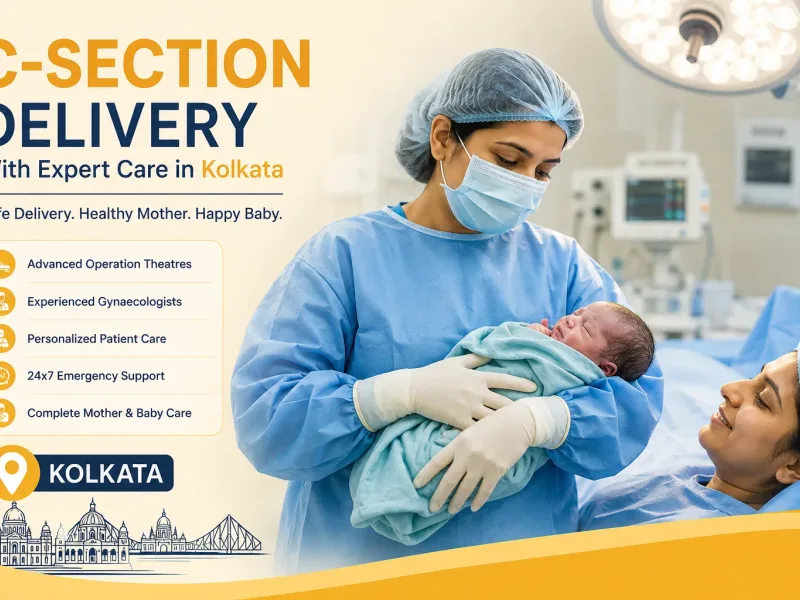
A cesarean section (C-section) is a surgical delivery in which a baby is born through an incision in the mother's abdomen and uterus. In Kolkata, several experienced obstetricians and well-equipped hospitals offer C-section services for planned and emergency deliveries. Understanding when a C-sectio
July 31, 2026
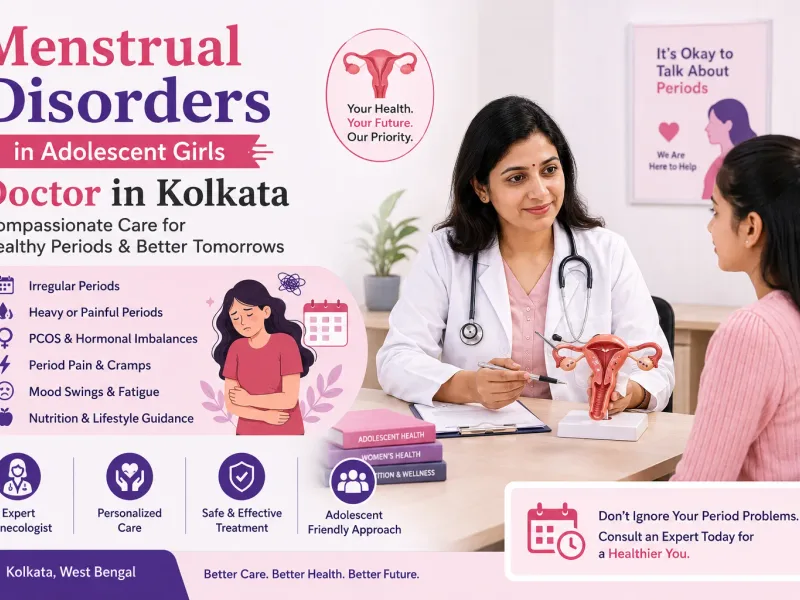
If you are searching for a Menstrual Disorders in Adolescent Girls Doctor in Kolkata, early evaluation by an experienced gynecologist can help identify the underlying cause of irregular or painful periods. While menstrual irregularities are common during the first few years after puberty, persistent
July 31, 2026
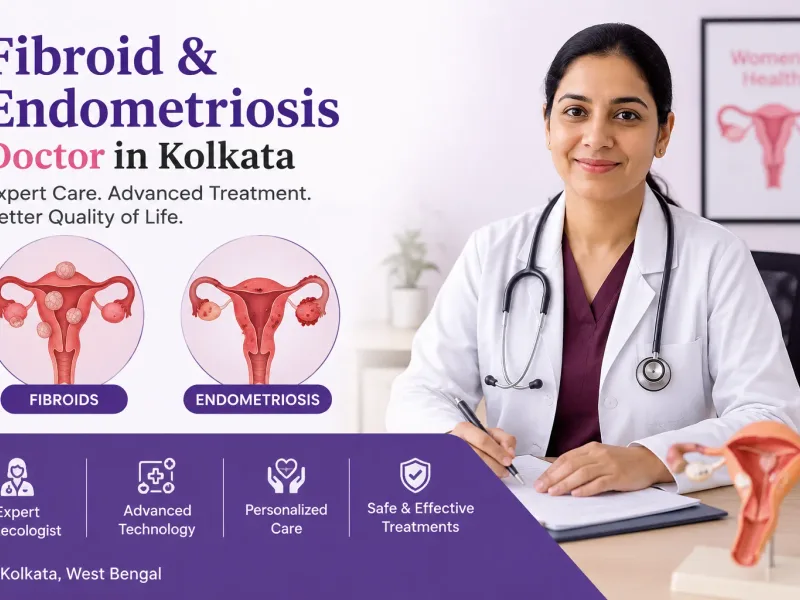
If you are searching for a Fibroid & Endometriosis doctor in Kolkata, choosing an experienced gynecologist with expertise in minimally invasive gynecological surgery is essential. Uterine fibroids and endometriosis are two common but different conditions that can cause pelvic pain, heavy menstrual b
July 31, 2026