

Emergency & Help
24/7 Emergency & General Advisory
🚨 24/7 Medical Emergency
Non-Emergency Advisory
10:00 AM – 6:00 PM, Mon–Sat
For appointments & general queries.
24/7 Emergency & General Advisory
🚨 24/7 Medical Emergency
Non-Emergency Advisory
10:00 AM – 6:00 PM, Mon–Sat
For appointments & general queries.
Learn about Postpartum Cardiomyopathy (PPCM), a heart condition affecting women during or after pregnancy. Understand its symptoms, causes, diagnosis, and treatment options for a healthier recovery.

Understanding Postpartum Cardiomyopathy (PPCM) Pregnancy is a remarkable journey, but for some women, it can bring unexpected health challenges. One such condition is Postpartum Cardiomyopathy (PPCM), also known as peripartum cardiomyopathy. This condition affects the heart muscle, weakening it and making it harder for the heart to pump blood effectively to the rest of the body. While it sounds alarming, understanding PPCM, its symptoms, causes, and treatment options is crucial for expectant and new mothers in India. What is Postpartum Cardiomyopathy? PPCM is a form of heart failure that occurs during the late stages of pregnancy or in the months following childbirth. In PPCM, the heart's chambers, particularly the left ventricle, enlarge, and the heart muscle weakens. This significantly reduces the heart's ability to pump blood efficiently, leading to various symptoms. While many women recover fully with timely treatment, PPCM can sometimes lead to chronic heart failure or, in rare cases, have more serious outcomes. Symptoms of Postpartum Cardiomyopathy The symptoms of PPCM can often be mistaken for normal pregnancy discomforts or postpartum fatigue. However, it's vital to be aware of the signs and seek medical attention promptly if you experience any of the following: Shortness of breath: This can occur during physical activity or even when lying flat, making it difficult to breathe comfortably. Swelling (Edema): Fluid buildup can cause swelling in the ankles, feet, and legs. Fatigue: Extreme tiredness that doesn't improve with rest. Lightheadedness or Dizziness: Especially noticeable when standing up. Rapid heartbeat or palpitations: Feeling like your heart is racing or fluttering. Cough: Particularly a cough that produces white or pink mucus. Chest pain: Though less common, it can occur. If you notice any of these symptoms, especially a combination of them, it is essential to consult your doctor or a cardiologist immediately. Early diagnosis is key to effective management. Causes and Risk Factors of PPCM The exact cause of PPCM is not fully understood, but several factors are believed to contribute to its development. It's often a complex interplay of genetic predisposition, hormonal changes during pregnancy, and other underlying health conditions. Potential Risk Factors Include: Age: Women over the age of 30 are at a higher risk. Multiple Pregnancies: Carrying twins, triplets, or more increases the risk. History of Preeclampsia or High Blood Pressure: Previous conditions like preeclampsia or chronic hypertension can be contributing factors. Nutritional Deficiencies: Lack of certain nutrients, like selenium, has been suggested as a possible link. Viral Infections: Some research suggests that viral infections might trigger inflammation in the heart muscle. Genetic Factors: A family history of heart conditions or cardiomyopathy may increase susceptibility. It's important to note that PPCM can occur even in women with no known risk factors. Diagnosis of Postpartum Cardiomyopathy Diagnosing PPCM involves a comprehensive evaluation by a healthcare professional. The process typically includes: Medical History and Symptom Review: Your doctor will discuss your symptoms, pregnancy history, and overall health. Physical Examination: Listening to your heart and lungs with a stethoscope to detect abnormal heart sounds, rapid heart rate, or fluid in the lungs. Echocardiogram (Echo): This is a crucial test that uses sound waves to create images of your heart, assessing its size, structure, and pumping function. It helps determine the ejection fraction (the percentage of blood pumped out with each beat). Electrocardiogram (ECG or EKG): Records the electrical activity of the heart, helping to identify rhythm abnormalities or signs of heart strain. Chest X-ray: Can reveal fluid in the lungs or an enlarged heart. Blood Tests: To check for markers of heart damage, inflammation, and other potential causes. Cardiac MRI: In some cases, an MRI may be used for a more detailed view of the heart muscle. Prompt diagnosis allows for the initiation of appropriate treatment without delay. Treatment for Postpartum Cardiomyopathy The primary goal of PPCM treatment is to restore the heart's normal function, manage symptoms, and prevent complications. Treatment plans are individualized and may involve a combination of medications and lifestyle changes. Medications commonly prescribed include: ACE Inhibitors (Angiotensin-Converting Enzyme Inhibitors) and ARBs (Angiotensin Receptor Blockers): These help relax blood vessels, lowering blood pressure and reducing the workload on the heart. Beta-Blockers: Slow down the heart rate and lower blood pressure, allowing the heart to pump more efficiently. Diuretics (Water Pills): Help remove excess fluid from the body, reducing swelling and easing the strain on the heart. Anticoagulants (Blood Thinners): Prescribed to reduce the risk of blood clots, which can form due to the heart's reduced pumping ability. Inotropic Medications: In severe cases, these medications may be used to increase the heart's pumping strength. Lifestyle Adjustments: Low-Sodium Diet: Reducing salt intake helps manage fluid retention and lower blood pressure. Fluid Restriction: Limiting fluid intake may be recommended to control edema. Rest: Adequate rest is crucial for recovery. Avoiding Alcohol and Smoking: These can further damage the heart. In severe cases where the heart function doesn't improve significantly, more advanced treatments like mechanical support devices (e.g., artificial pumps) or even a heart transplant might be considered, though these are rare. Prognosis and Recovery The prognosis for PPCM is generally positive, with many women experiencing significant recovery within 3 to 6 months of starting treatment. However, the recovery period can vary depending on the severity of the condition and individual response to treatment. Some women may experience complete recovery, while others might have some degree of lasting heart muscle weakness, requiring long-term management. Prevention and
In summary, timely diagnosis, evidence-based treatment, and prevention-focused care improve long-term health outcomes.
Visit Hospital
Near You
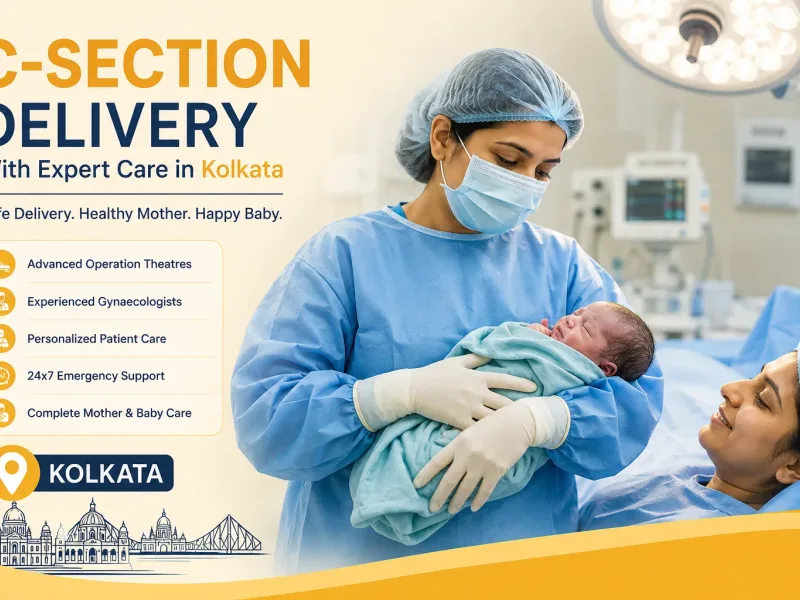
A cesarean section (C-section) is a surgical delivery in which a baby is born through an incision in the mother's abdomen and uterus. In Kolkata, several experienced obstetricians and well-equipped hospitals offer C-section services for planned and emergency deliveries. Understanding when a C-sectio
July 31, 2026
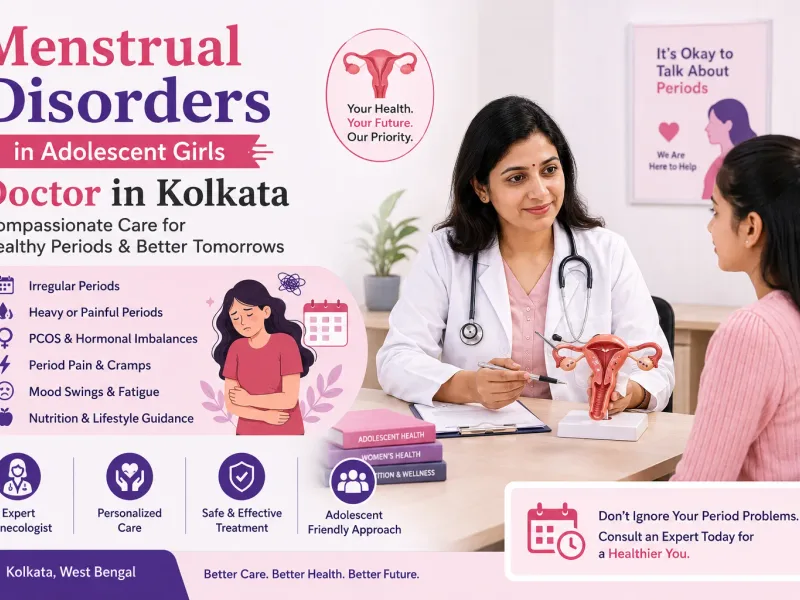
If you are searching for a Menstrual Disorders in Adolescent Girls Doctor in Kolkata, early evaluation by an experienced gynecologist can help identify the underlying cause of irregular or painful periods. While menstrual irregularities are common during the first few years after puberty, persistent
July 31, 2026
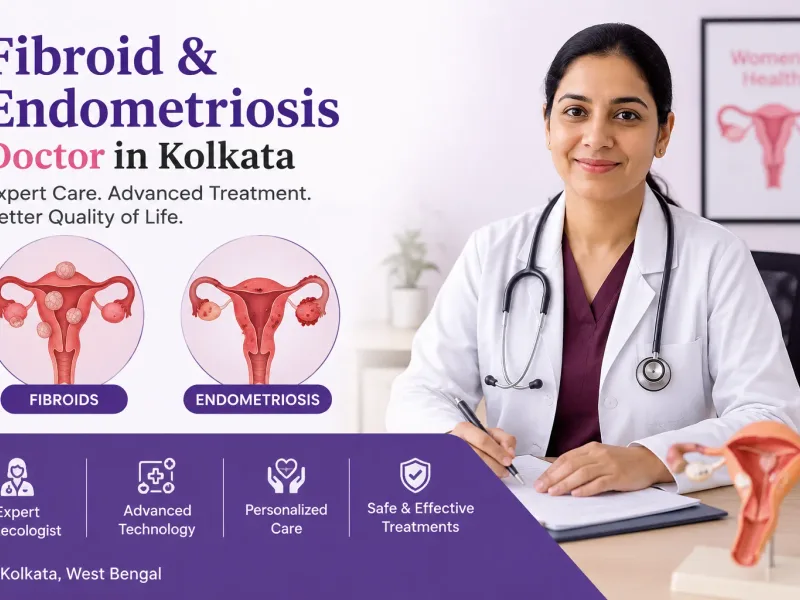
If you are searching for a Fibroid & Endometriosis doctor in Kolkata, choosing an experienced gynecologist with expertise in minimally invasive gynecological surgery is essential. Uterine fibroids and endometriosis are two common but different conditions that can cause pelvic pain, heavy menstrual b
July 31, 2026