

Emergency & Help
24/7 Emergency & General Advisory
🚨 24/7 Medical Emergency
Non-Emergency Advisory
10:00 AM – 6:00 PM, Mon–Sat
For appointments & general queries.
24/7 Emergency & General Advisory
🚨 24/7 Medical Emergency
Non-Emergency Advisory
10:00 AM – 6:00 PM, Mon–Sat
For appointments & general queries.
Discover why chin hair might increase after childbirth and learn about effective management and treatment options for this common postpartum concern.
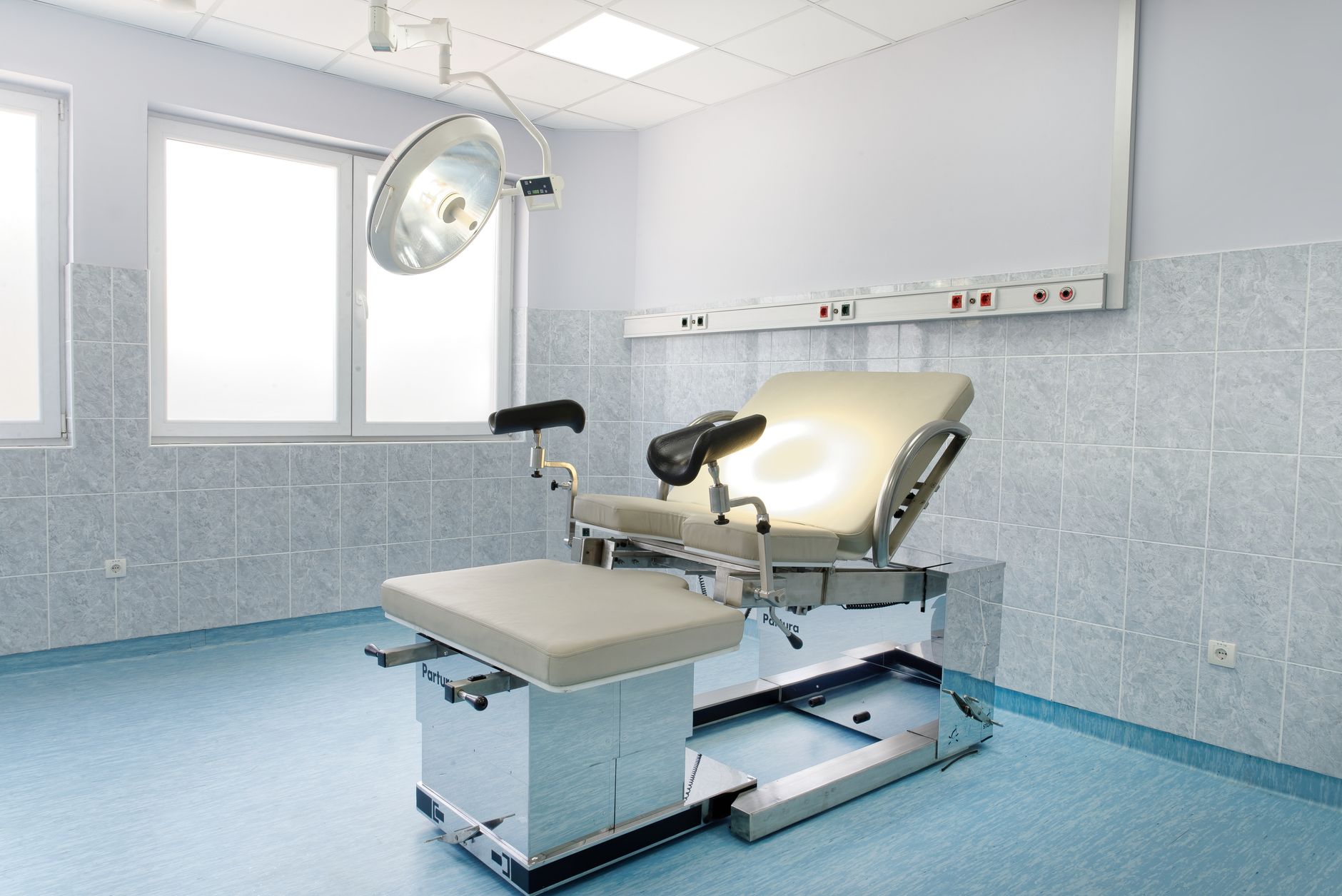
Becoming a mother brings about a whirlwind of changes, and for many, these shifts extend to their physical appearance. One common, yet often unspoken, concern is the sudden appearance or increase of chin hair after childbirth. If you're finding yourself spending more time than ever with tweezers, you're certainly not alone. This phenomenon can be baffling and, frankly, a bit alarming, especially when you're already dealing with postpartum hair loss from your scalp. Let's dive into why this happens, what's considered normal, and how you can manage it.
Pregnancy often brings a beautiful transformation: thicker, fuller hair and faster-growing nails. Many women enjoy a certain 'pregnancy glow,' partly due to these hair changes. However, after the baby arrives, the hormonal tides shift dramatically. This is when the well-known postpartum hair loss on the scalp typically occurs. You might notice alarming amounts of hair in your shower drain or on your hairbrush. It's important to remember that this is often not true hair loss in the sense of losing new hair, but rather shedding hair that you retained during pregnancy. This shedding phase is temporary for most women.
While scalp hair loss is widely discussed, the increase in facial hair, particularly chin hair, after pregnancy is less commonly talked about. Studies indicate that some women experience increased hair growth on their face and body during pregnancy and the postpartum period. Unlike body hair, which often slows down with age, facial hair can sometimes increase as women get older. So, if you've noticed more stray hairs on your chin since giving birth, it can be a completely normal part of your postpartum journey. While it might be annoying, it's usually not a cause for serious concern.
Consider this scenario: A new mother, Sarah, is exhausted from sleepless nights with her newborn. While getting ready one morning, she notices several dark, coarse hairs on her chin. She recalls having the occasional stray hair before pregnancy but is surprised by the noticeable increase. She feels a mix of frustration and worry, wondering if this is a sign of something more serious or just another unwelcome postpartum surprise.
While an increase in chin hair after pregnancy is often normal, there are instances when it could signal an underlying medical condition. If you experience a sudden or excessive growth of facial or body hair, it's always a good idea to consult your doctor. They can help rule out conditions such as Polycystic Ovary Syndrome (PCOS), Cushing's syndrome, or adrenal gland issues, which can sometimes manifest as increased hair growth (hirsutism). Your doctor can perform necessary tests and provide appropriate guidance.
Dealing with unwanted chin hair can be frustrating, but several effective methods can help:
This is a common and immediate solution. Using a clean pair of tweezers, grasp the hair firmly at the root and pull it out. While effective for stray hairs, it can be time-consuming if the growth is significant.
Waxing can remove hair from the root, providing smoother skin for a longer period than shaving. However, it can be painful, and repeated waxing may irritate sensitive postpartum skin.
Epilators are devices that remove multiple hairs from the root simultaneously. Like waxing, it offers longer-lasting results but can be uncomfortable.
While some women hesitate to shave their face, it is safe and can be done with a clean, sharp razor. It provides a quick solution for removing visible hairs.
These creams chemically dissolve hair. However, it's crucial to perform a patch test first, as some creams can irritate sensitive skin, especially postpartum skin.
For a more permanent solution, laser hair removal is an option. It targets the hair follicle, significantly reducing hair growth over time. Many women choose this method once they have finished breastfeeding. It's recommended to consult a dermatologist for this procedure to ensure it's performed safely and effectively, considering your specific hair growth patterns and skin type. The effectiveness of laser hair removal can depend on the hair's growth cycle, with treatments being more successful when hair is actively emerging from the follicle.
This method uses an electric current to destroy individual hair follicles permanently. It's a precise treatment but can be time-consuming and may require multiple sessions.
While you can't always prevent postpartum hair changes, focusing on overall health can be beneficial. Ensuring adequate nutrition, managing stress, and getting enough rest (as much as possible with a newborn!) can support your body's recovery. Gentle skincare routines can also help manage any irritation from hair removal methods.
Yes, it is quite common for women to experience an increase in facial hair, including chin hair, during and after pregnancy due to hormonal fluctuations.
The duration varies from woman to woman. For many, the hair growth may gradually return to normal as hormones stabilize in the months following childbirth. For others, it might persist longer.
Generally, yes, but be mindful of your skin's sensitivity postpartum. Always perform a patch test with new products and consult your doctor or dermatologist if you have concerns.
It's best to wait until you have finished breastfeeding and your hormones have begun to stabilize. Consulting with a dermatologist is highly recommended before starting any laser treatments.
Navigating postpartum changes can be challenging. Remember that you are not alone. Talking to your healthcare provider, a dermatologist, or even other mothers who have experienced similar changes can provide comfort and practical advice. Your well-being is paramount during this time.
Most people do not notice early warning signs right away. That is common. A simple symptom diary, basic routine checks, and timely follow-up visits can prevent small problems from becoming serious.
If you are already on treatment, stay consistent with medicines and lifestyle advice. If your symptoms change, do not guess. Check with a qualified doctor and update your plan early.
Write down symptoms, triggers, and timing for a few days.
Carry old prescriptions and test reports to your consultation.
Ask clearly about side effects, red-flag signs, and follow-up dates.
Seek urgent care for severe pain, breathing trouble, bleeding, fainting, or sudden worsening.
Visit Hospital
Near You

A cesarean section (C-section) is a surgical delivery in which a baby is born through an incision in the mother's abdomen and uterus. In Kolkata, several experienced obstetricians and well-equipped hospitals offer C-section services for planned and emergency deliveries. Understanding when a C-sectio
July 31, 2026
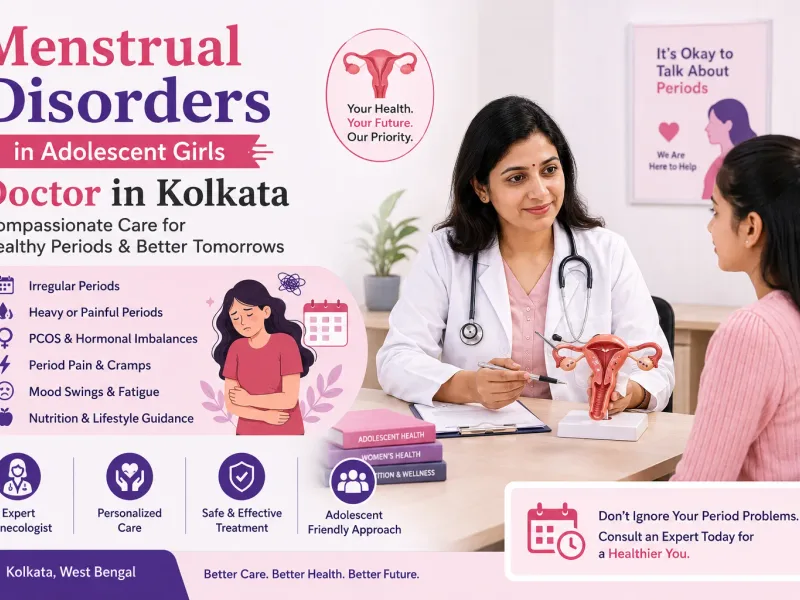
If you are searching for a Menstrual Disorders in Adolescent Girls Doctor in Kolkata, early evaluation by an experienced gynecologist can help identify the underlying cause of irregular or painful periods. While menstrual irregularities are common during the first few years after puberty, persistent
July 31, 2026

If you are searching for a Fibroid & Endometriosis doctor in Kolkata, choosing an experienced gynecologist with expertise in minimally invasive gynecological surgery is essential. Uterine fibroids and endometriosis are two common but different conditions that can cause pelvic pain, heavy menstrual b
July 31, 2026