

Emergency & Help
24/7 Emergency & General Advisory
🚨 24/7 Medical Emergency
Non-Emergency Advisory
10:00 AM – 6:00 PM, Mon–Sat
For appointments & general queries.
24/7 Emergency & General Advisory
🚨 24/7 Medical Emergency
Non-Emergency Advisory
10:00 AM – 6:00 PM, Mon–Sat
For appointments & general queries.
Discover the causes, symptoms, and effective management strategies for postpartum hives. Learn how to find relief and navigate skin changes after pregnancy safely.
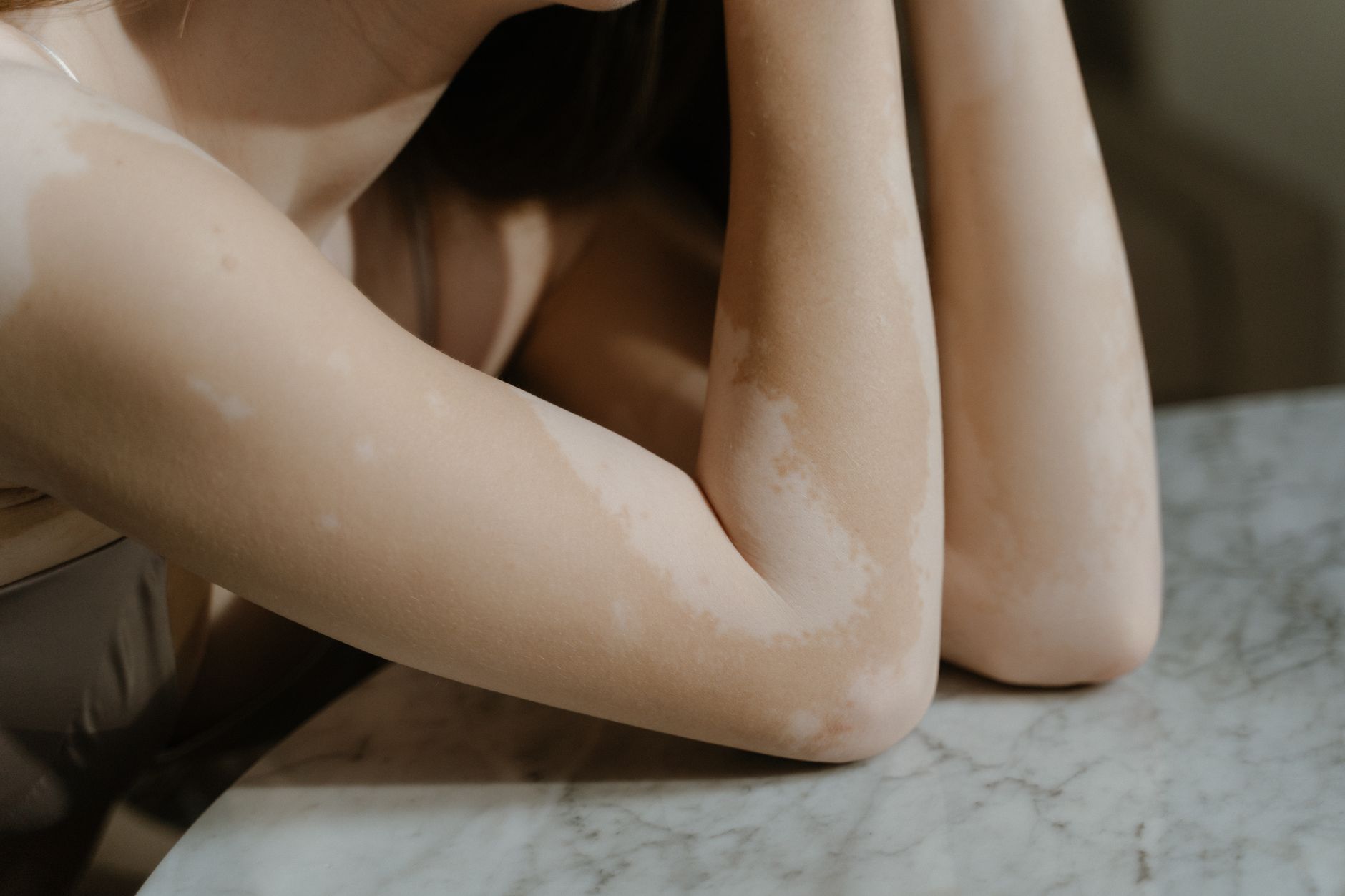
Having a baby is a joyous occasion, but the postpartum period can bring unexpected physical changes. One such change that can cause concern is the appearance of postpartum hives. These itchy, red welts can be alarming, especially if you've never experienced them before. This guide aims to demystify postpartum hives, explaining their causes, symptoms, and effective management strategies for new mothers in India. We'll cover everything from common triggers to when you should seek medical attention, ensuring you feel informed and supported during this transformative time. What Are Postpartum Hives? Hives, medically known as urticaria, are a common skin reaction characterized by raised, itchy red welts on the skin. They can appear anywhere on the body and vary in size and shape. While hives can occur at any time, postpartum hives specifically refer to their appearance in the weeks or months following childbirth. It's important to understand that these hives are a sign that your immune system is reacting to something, and they are not necessarily a sign of a serious underlying condition. In fact, hives affect a significant portion of the population, around 20%, and not just new mothers. They are often temporary and resolve on their own, but can be quite uncomfortable. Why Do Postpartum Hives Occur? The exact cause of postpartum hives can be multifaceted, often stemming from the significant hormonal shifts and physiological stresses the body undergoes during pregnancy and after childbirth. Here are some common triggers: 1. Hormonal Fluctuations The 'hormone rollercoaster' experienced during and after pregnancy can profoundly impact your immune system. These shifts can make your body more sensitive to allergens or other triggers, leading to hive formation. Even if you didn't have allergies before pregnancy, these hormonal changes can bring them on. 2. Allergic Reactions Pregnancy can sometimes exacerbate pre-existing allergies or even trigger new ones. Common allergens that can cause hives include: Medications: Certain antibiotics (like amoxicillin or penicillin), aspirin, or ibuprofen taken postpartum can trigger a reaction. Always inform your doctor about any allergies you have. Food Sensitivities: Changes in gut health during pregnancy might lead to new food sensitivities, which can manifest as hives. Environmental Allergens: Exposure to pollen, dust mites, or pet dander can also be a trigger, especially if your immune system is already sensitive. 3. Infections The body's immune system can be working overtime to recover from childbirth and potential infections. Viral or bacterial infections, even common ones like a cold or flu that you might have contracted during pregnancy, can throw your immune system off balance, leading to hives as a symptom. 4. Stress The postpartum period is a time of immense emotional and physical adjustment. High levels of stress, common for new parents, can directly trigger or worsen hives. Your body may react to prolonged stress with skin manifestations like urticaria. 5. Liver Imbalance (Less Common) In a small percentage of cases (about 0.5% of pregnant or postpartum individuals), hives can be linked to a liver imbalance. This is more likely to occur in first-time mothers and might persist for a few weeks after delivery. If your doctor suspects this, they will conduct specific tests. Recognizing the Signs: Symptoms of Postpartum Hives Postpartum hives typically present as: Red or pink, raised bumps or welts on the skin. These welts can be small and scattered or form larger, flat patches. They can appear anywhere on the body, including the face, neck, chest, stomach, arms, and legs. The affected skin may feel itchy, sometimes intensely so, and can have a rough texture. Pressing on a welt might cause it to turn white temporarily (blanching). It's essential to differentiate hives from other skin conditions like eczema, although sometimes they can look similar. If you're unsure, consulting a doctor is always the best course of action. A Real-Life Scenario Anjali, a new mother in Mumbai, developed itchy red bumps all over her arms and torso a week after delivering her baby. She hadn't experienced any skin issues during pregnancy and was worried. She had recently started a new vitamin supplement recommended by a friend, and her doctor later identified this as the likely trigger for her postpartum hives. With a few simple lifestyle changes and a prescribed antihistamine, her hives began to subside within days. Diagnosis: How Doctors Identify Postpartum Hives Diagnosing postpartum hives usually involves a thorough medical history and physical examination. Your doctor will ask about: Your medical history, including any previous allergies or skin conditions. Recent changes in diet, medications, or supplements. Any recent illnesses or infections. The timing and progression of the hives. In most cases, this is sufficient for diagnosis. However, if a liver imbalance is suspected, your doctor might order blood tests. If a specific allergy is suspected, allergy testing might be recommended once you are feeling better. Managing and Treating Postpartum Hives The good news is that postpartum hives are usually temporary and can be managed effectively. The goal is to relieve itching and address the underlying cause. 1. Home Care and Comfort Measures Cool Compresses: Applying a cool, damp cloth to the affected areas can help soothe itching and reduce inflammation. Lukewarm Baths: Avoid hot showers or baths, as heat can worsen itching. Opt for a lukewarm bath, perhaps with colloidal oatmeal, which can be very calming for irritated skin. Loose Clothing: Wear loose-fitting clothes made of soft, breathable fabrics like cotton to avoid irritating the skin. Avoid Scratching: While difficult, try your best not to scratch. Scratching can damage the skin and potentially lead to infection. Keep your nails trimmed short. 2. Medications (Under Medical Supervision) Your doctor may prescribe or recommend: Antihistamines: Over-the-counter or prescription antihistamines are the mainstay of treatment for hives. They work by blocking the histamine that causes the itching and swelling. Your doctor will advise on safe options for breastfeeding mothers. Topical Corticosteroids: In some cases, a mild corticosteroid cream might be prescribed for localized relief, but these are generally less effective for widespread hives. 3. Identifying and Avoiding Triggers If a specific trigger is identified (like a medication or food), avoiding it is key to preventing future outbreaks. Keep a diary of what you eat, any new medications you take, and when your hives appear to help pinpoint the cause. When to Consult a Doctor While most postpartum hives are harmless and resolve on their own, it's important to seek medical advice if: The hives are severe, widespread, or accompanied by other concerning symptoms like difficulty breathing, swelling of the face or throat, or dizziness. This could indicate a severe allergic reaction (anaphylaxis) and requires immediate emergency care. The hives persist for more than a week or two despite home care measures. You experience a fever, joint pain, or other signs of infection along with the hives. You are concerned or unsure about the cause or treatment of your hives. Always consult your doctor or a dermatologist for a proper diagnosis and treatment plan, especially if you are breastfeeding, as some medications may not be suitable. Preventing Postpartum Hives While you can't always prevent postpartum hives, especially if they are due to hormonal changes, you can take steps to minimize your risk: Manage Stress: Practice relaxation techniques like deep breathing exercises, meditation, or gentle yoga. Seek support from your partner, family, or a mental health professional if needed. Eat a Balanced Diet: Focus on whole, unprocessed foods. If you suspect a food sensitivity, discuss it with your doctor or a dietitian before making drastic changes. Stay Hydrated: Drink plenty of water throughout the day. Review Medications: Discuss all medications and supplements you are taking with your doctor, especially if you are breastfeeding. Gentle Skincare: Use mild, fragrance-free soaps and moisturizers to avoid irritating your skin. Frequently Asked Questions (FAQ) Q1: Can breastfeeding mothers take medication for hives? Yes, many antihistamines are considered safe for breastfeeding mothers. However, it is crucial to consult your doctor before taking any medication to ensure it is safe for you and your baby. Q2: How long do postpartum hives typically last? Most postpartum hives are temporary and resolve within a few days to a week. In some cases, particularly if linked to a liver imbalance, they might last for up to six weeks. Q3: Are postpartum hives dangerous for my baby? Postpartum hives are generally harmless to your baby. They are a reaction of your body and do not typically affect the baby, especially if you are breastfeeding. However, if you have concerns, discuss them with your healthcare provider. Q4: Can I get postpartum hives if I never had allergies before? Absolutely. Pregnancy and the postpartum period cause significant hormonal and immune system changes that can lead to new allergies or hive outbreaks, even in individuals with no prior history of allergies. Navigating the postpartum period involves adapting to many new experiences. Postpartum hives, while uncomfortable, are usually a temporary and manageable condition. By understanding the potential causes, recognizing the symptoms, and following the advice of your healthcare provider, you can effectively manage this skin condition and focus
In summary, timely diagnosis, evidence-based treatment, and prevention-focused care improve long-term health outcomes.
Visit Hospital
Near You
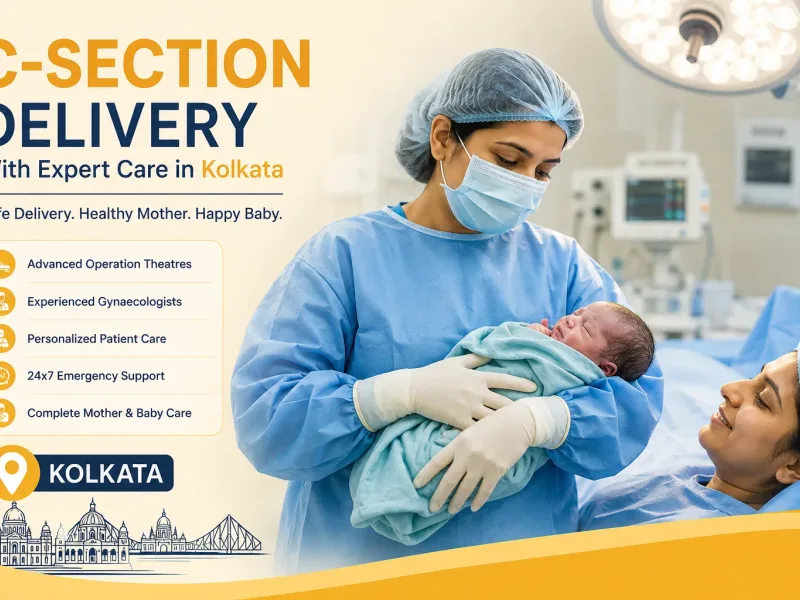
A cesarean section (C-section) is a surgical delivery in which a baby is born through an incision in the mother's abdomen and uterus. In Kolkata, several experienced obstetricians and well-equipped hospitals offer C-section services for planned and emergency deliveries. Understanding when a C-sectio
July 31, 2026
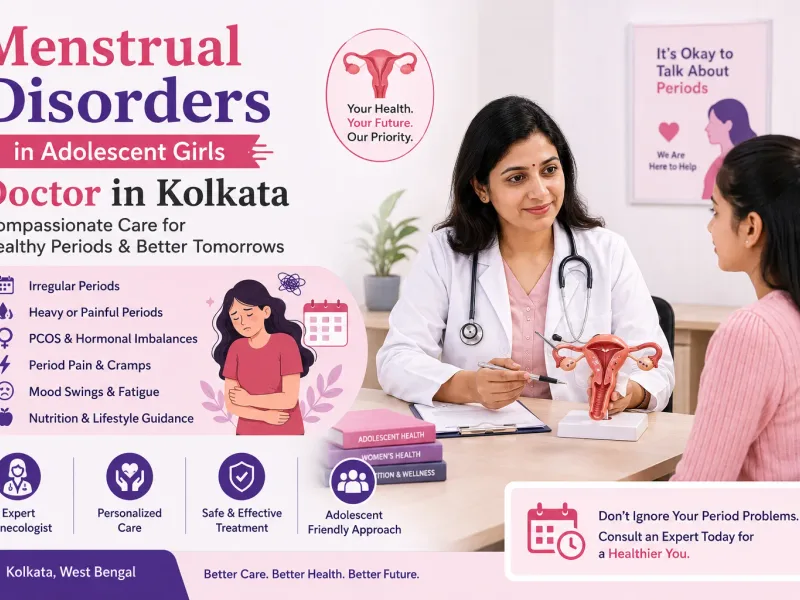
If you are searching for a Menstrual Disorders in Adolescent Girls Doctor in Kolkata, early evaluation by an experienced gynecologist can help identify the underlying cause of irregular or painful periods. While menstrual irregularities are common during the first few years after puberty, persistent
July 31, 2026
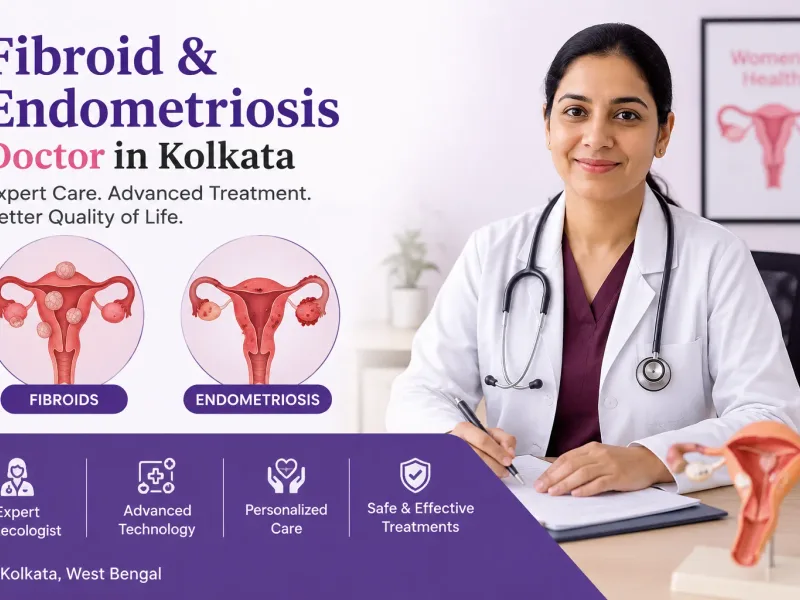
If you are searching for a Fibroid & Endometriosis doctor in Kolkata, choosing an experienced gynecologist with expertise in minimally invasive gynecological surgery is essential. Uterine fibroids and endometriosis are two common but different conditions that can cause pelvic pain, heavy menstrual b
July 31, 2026