

Emergency & Help
24/7 Emergency & General Advisory
🚨 24/7 Medical Emergency
Non-Emergency Advisory
10:00 AM – 6:00 PM, Mon–Sat
For appointments & general queries.
24/7 Emergency & General Advisory
🚨 24/7 Medical Emergency
Non-Emergency Advisory
10:00 AM – 6:00 PM, Mon–Sat
For appointments & general queries.
Learn practical strategies for Indian women to reduce the risk of breast cancer recurrence through lifestyle changes, diet, exercise, and regular medical care.

Understanding Breast Cancer Recurrence and Prevention Receiving a breast cancer diagnosis can be overwhelming, and the thought of recurrence can be a significant source of anxiety. While there's no foolproof method to guarantee that breast cancer will never return, adopting a healthy lifestyle after treatment can play a crucial role in reducing the risk of recurrence. This guide, tailored for Indian women, focuses on practical, evidence-based strategies to help you live a healthier life post-treatment and minimize the chances of the cancer coming back. The Role of Exercise in Preventing Recurrence Regular physical activity is one of the most powerful tools in your arsenal against breast cancer recurrence. Studies have consistently shown that exercise can significantly lower the risk. Aim for at least 150 minutes of moderate-intensity exercise per week. This can be as simple as brisk walking for 30 minutes, five days a week. Incorporating activities you enjoy, such as yoga, swimming, or dancing, can make it easier to stick to a routine. For those in India, consider joining local walking groups or exploring community fitness classes. Even moderate activity levels can make a substantial difference. Dietary Choices for Lowering Recurrence Risk What you eat has a profound impact on your health. A diet rich in fruits, vegetables, and whole grains, while lower in saturated and trans fats, can be beneficial. This means opting for lean proteins like chicken and fish over red meat, and limiting processed foods and sugary drinks. While it's important to eat healthily, remember that food should also be enjoyed. Moderation is key. For Indian readers, this translates to incorporating a variety of local produce and traditional healthy dishes into your diet. For example, lentil-based dishes (dal), plenty of seasonal vegetables, and moderate portions of rice or roti can form a balanced meal. Soy and Breast Cancer Recurrence There's a common misconception that soy products, like tofu and edamame, might increase the risk of breast cancer recurrence. However, research suggests the opposite may be true. Consuming soy in its natural food forms, such as tofu, tempeh, or soy milk, is generally considered safe and potentially beneficial. It's important to distinguish this from soy supplements, which are not recommended due to a lack of sufficient research on their safety in this context. Incorporate moderate amounts of soy-rich foods into your Indian diet for potential protective benefits. Maintaining a Healthy Weight Achieving and maintaining a healthy weight after a breast cancer diagnosis is crucial. Studies indicate that a moderate weight can decrease the risk of recurrence. If you need to lose weight, do so gradually and sustainably through a combination of a balanced diet and regular exercise. Consult with a healthcare professional or a registered dietitian for personalized advice on weight management strategies that are suitable for your individual needs and cultural dietary preferences. Vitamins and Supplements: When Are They Necessary? For most individuals who follow a well-balanced diet, additional vitamins and supplements are often not necessary. However, there are exceptions. If you are experiencing bone loss, which can be a side effect of certain anti-estrogen medications used in breast cancer treatment, your doctor may recommend calcium and Vitamin D supplements. Always discuss the need for any supplements with your oncologist to ensure they are appropriate for your specific situation and won't interfere with your treatment. Alcohol Consumption and Recurrence Risk While data suggests that alcohol consumption can increase the risk of developing breast cancer initially, the link between alcohol use after diagnosis and recurrence risk is less clear. However, it is generally advisable for breast cancer survivors to be mindful of their alcohol intake and practice moderation. If you choose to drink, do so in limited quantities. Discuss your alcohol consumption habits with your oncologist for personalized guidance. Managing Stress for Overall Well-being Stress management is vital for your overall quality of life, though its direct impact on breast cancer recurrence is not definitively proven. However, chronic stress can negatively affect your physical and mental health. Engaging in stress-reducing activities can be beneficial. Exercise, as mentioned earlier, is a great way to manage stress while also contributing to recurrence prevention. Other techniques include mindfulness, meditation, deep breathing exercises, spending time in nature, or pursuing hobbies you enjoy. Finding what works for you is key to improving your well-being. Regular Medical Check-ups and Screenings Adhering to your follow-up appointments with your oncologist is non-negotiable. These appointments are crucial for monitoring your health, detecting any potential issues early, and managing any side effects from your treatment. Be open with your doctor about any side effects you experience from medications, as there are often ways to manage them effectively. Continue with recommended screenings as advised by your healthcare team. Early detection is always key. Addressing Treatment Side Effects Some medications used in breast cancer treatment, particularly anti-estrogen therapies, can cause side effects like estrogen deprivation symptoms. It's important to know that you don't have to simply live with these discomforts. Many options are available to help manage these symptoms. Don't hesitate to discuss any concerns, such as hot flashes, vaginal dryness, or mood changes, with your oncologist. They are there to help you maintain your quality of life during and after treatment. Open communication is vital. Seeking Support for Fear of Recurrence The fear of breast cancer recurrence is a valid and common concern. If this fear is significantly impacting your mental health and daily life, seeking professional support
In summary, timely diagnosis, evidence-based treatment, and prevention-focused care improve long-term health outcomes.
Visit Hospital
Near You
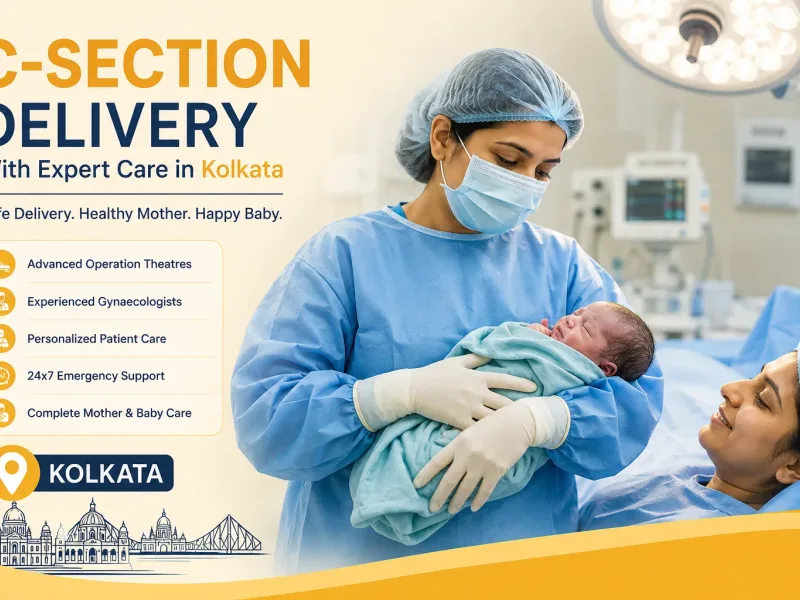
A cesarean section (C-section) is a surgical delivery in which a baby is born through an incision in the mother's abdomen and uterus. In Kolkata, several experienced obstetricians and well-equipped hospitals offer C-section services for planned and emergency deliveries. Understanding when a C-sectio
July 31, 2026
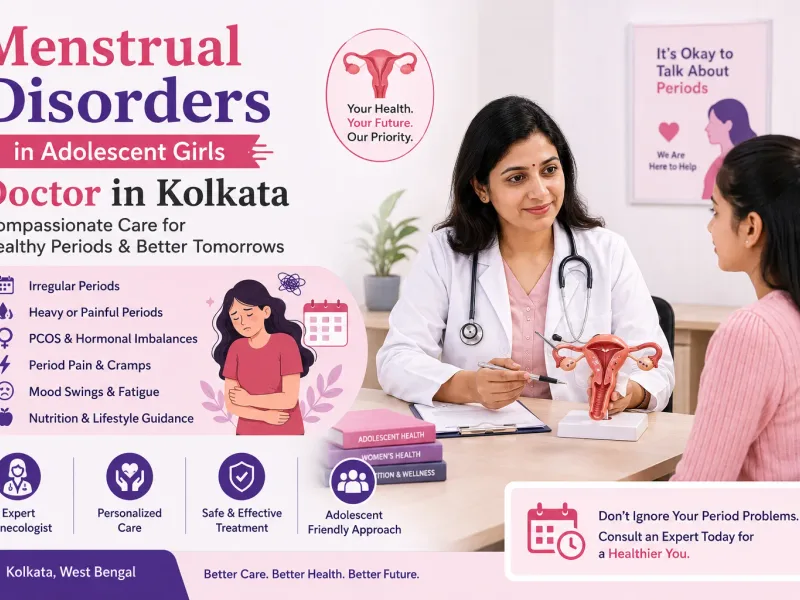
If you are searching for a Menstrual Disorders in Adolescent Girls Doctor in Kolkata, early evaluation by an experienced gynecologist can help identify the underlying cause of irregular or painful periods. While menstrual irregularities are common during the first few years after puberty, persistent
July 31, 2026
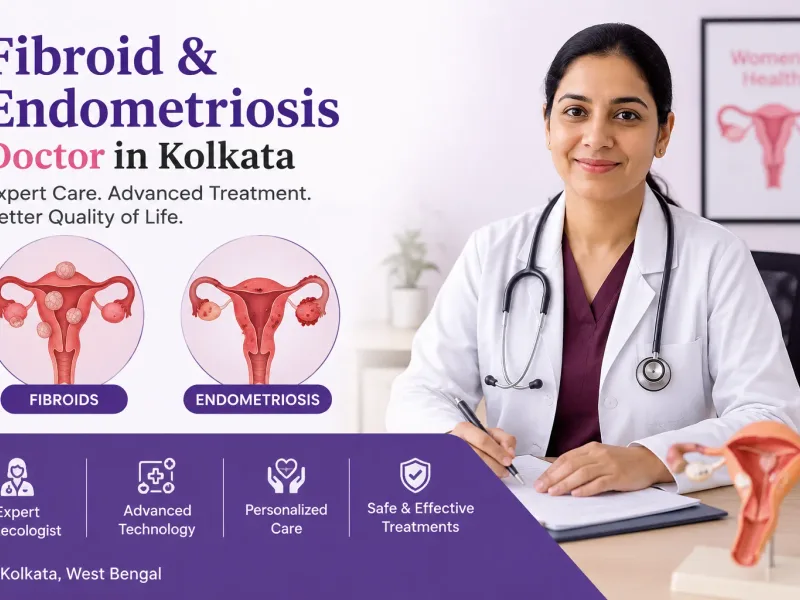
If you are searching for a Fibroid & Endometriosis doctor in Kolkata, choosing an experienced gynecologist with expertise in minimally invasive gynecological surgery is essential. Uterine fibroids and endometriosis are two common but different conditions that can cause pelvic pain, heavy menstrual b
July 31, 2026