

Emergency & Help
24/7 Emergency & General Advisory
🚨 24/7 Medical Emergency
Non-Emergency Advisory
10:00 AM – 6:00 PM, Mon–Sat
For appointments & general queries.
24/7 Emergency & General Advisory
🚨 24/7 Medical Emergency
Non-Emergency Advisory
10:00 AM – 6:00 PM, Mon–Sat
For appointments & general queries.
Learn practical, actionable steps for Indian women to prevent and manage heart disease. Understand risks, symptoms, and lifestyle changes for a healthier heart.

Heart health is a topic that touches all of us, but for women in India, understanding and prioritizing cardiovascular well-being is especially vital. While February is recognized as Heart Health Month globally, it's a year-round commitment for women to safeguard their hearts. This article delves into the specific risks and proactive steps Indian women can take to maintain a healthy heart, drawing insights from leading health experts and focusing on practical, actionable advice tailored for our community.
It's a common misconception that heart disease primarily affects men. However, statistics show that heart disease is a leading cause of death and disability for women worldwide, and this holds true in India as well. Factors like high blood pressure, high cholesterol, diabetes, obesity, and a sedentary lifestyle significantly increase a woman's risk. For women in India, additional considerations like stress, dietary habits, and hormonal changes during different life stages play a crucial role.
Several factors can put Indian women at a higher risk for heart disease:
Heart disease symptoms in women can sometimes differ from those in men and may be subtler. It's essential to be aware of these signs:
A Real-Life Scenario: Priya, a 45-year-old homemaker, often felt unusually tired after doing her daily chores. She dismissed it as fatigue from managing her household and young children. One afternoon, while climbing stairs, she experienced a sudden shortness of breath and a dull ache in her left arm. Thankfully, her husband encouraged her to see a doctor immediately, who diagnosed early-stage heart issues. Priya realized that ignoring subtle symptoms could have had severe consequences.
The good news is that a significant portion of heart disease and strokes are preventable. Making consistent, healthy lifestyle changes can go a long way. Here are practical steps Indian women can adopt:
Focus on whole, unprocessed foods. Incorporate plenty of colorful fruits and vegetables into your daily meals. Choose whole grains like oats, brown rice, and whole wheat roti. Opt for lean protein sources such as lentils, beans, fish, and poultry. Limit your intake of saturated and trans fats, added sugars, and excessive salt. Reducing fatty foods and sugary drinks is a simple yet effective strategy.
Aim for at least 150 minutes of moderate-intensity aerobic activity or 75 minutes of vigorous-intensity activity per week. This could include brisk walking, jogging, swimming, cycling, or dancing. Even short bursts of activity, like a 15-minute walk, can help reduce stress and improve cardiovascular health.
Stress can take a toll on your heart. Explore relaxation techniques that work for you. This could include:
Aim for 7-9 hours of quality sleep per night. Consistent sleep patterns help regulate hormones and reduce stress, both of which are important for heart health.
If you smoke, quitting is the single most impactful step you can take for your heart health. Seek support from healthcare professionals or cessation programs.
Regularly check your blood pressure, cholesterol levels, and blood sugar. Work with your doctor to understand these numbers and create a management plan if necessary. If you are on medication, discuss how lifestyle changes can complement your treatment, and in some cases, potentially reduce the need for medication under medical supervision.
It's important to have regular check-ups with your healthcare provider. Don't hesitate to seek medical advice if you experience any persistent or concerning symptoms related to heart health. If you have a family history of heart disease or other risk factors, proactive consultation is even more critical.
While historically it was thought to be more prevalent in men, heart disease is a leading cause of death for women as well. Symptoms can also present differently in women, making awareness crucial.
Yes, chronic stress can lead to high blood pressure and other physiological changes that negatively affect blood vessels and increase the risk of heart disease.
A diet rich in fruits, vegetables, whole grains, lean proteins, and healthy fats is beneficial. Limiting processed foods, sugar, salt, and unhealthy fats is equally important.
Aim for at least 150 minutes of moderate-intensity aerobic activity per week, along with muscle-strengthening activities.
Organizations like the Black Women's Health Imperative focus on addressing the unique health challenges faced by women, particularly minority women, and advocate for better health outcomes through education and empowerment. Similar initiatives are vital for women in all communities to raise awareness and promote heart health.
Visit Hospital
Near You
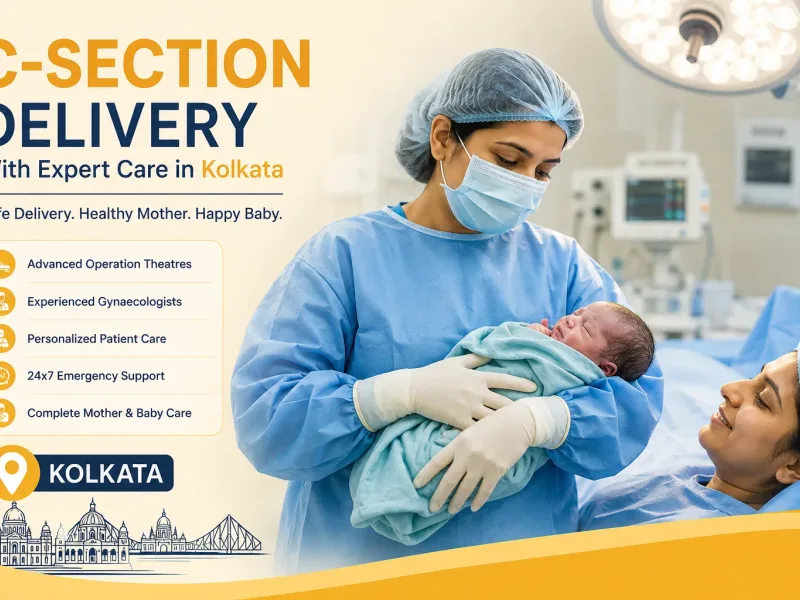
A cesarean section (C-section) is a surgical delivery in which a baby is born through an incision in the mother's abdomen and uterus. In Kolkata, several experienced obstetricians and well-equipped hospitals offer C-section services for planned and emergency deliveries. Understanding when a C-sectio
July 31, 2026
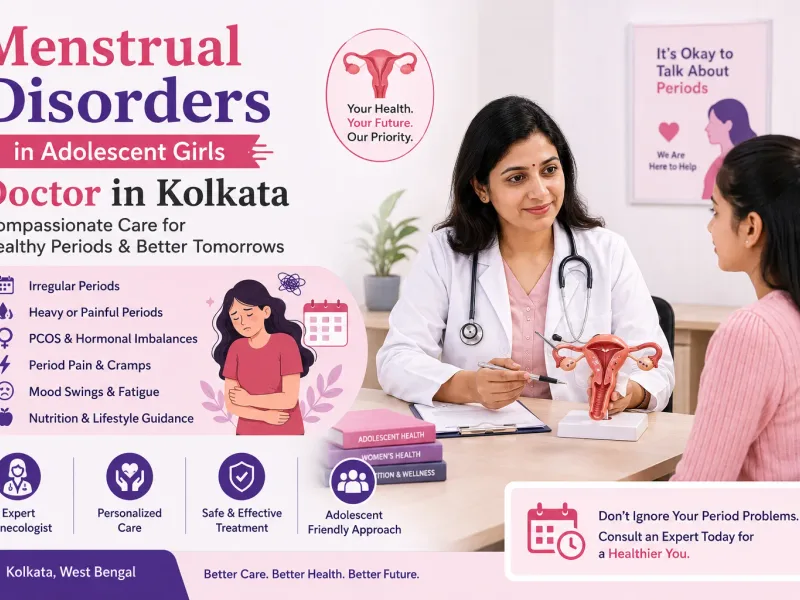
If you are searching for a Menstrual Disorders in Adolescent Girls Doctor in Kolkata, early evaluation by an experienced gynecologist can help identify the underlying cause of irregular or painful periods. While menstrual irregularities are common during the first few years after puberty, persistent
July 31, 2026
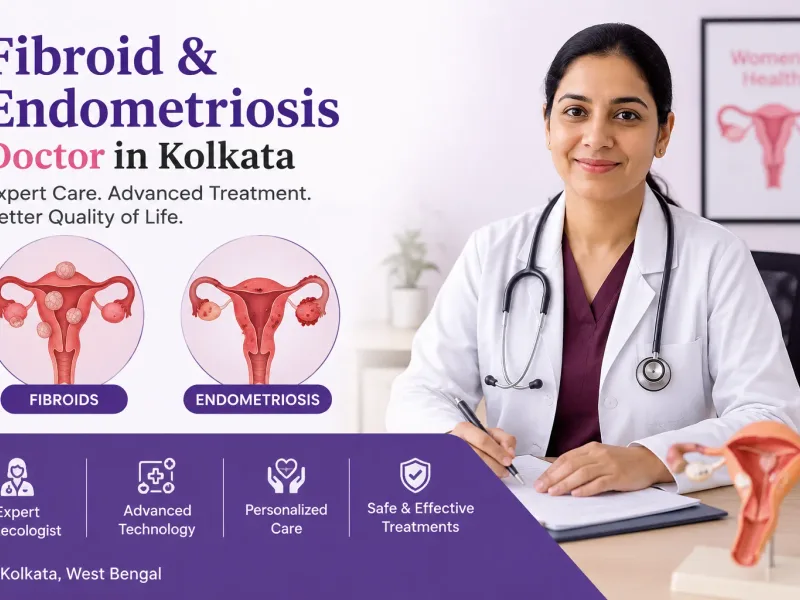
If you are searching for a Fibroid & Endometriosis doctor in Kolkata, choosing an experienced gynecologist with expertise in minimally invasive gynecological surgery is essential. Uterine fibroids and endometriosis are two common but different conditions that can cause pelvic pain, heavy menstrual b
July 31, 2026