

Emergency & Help
24/7 Emergency & General Advisory
🚨 24/7 Medical Emergency
Non-Emergency Advisory
10:00 AM – 6:00 PM, Mon–Sat
For appointments & general queries.
24/7 Emergency & General Advisory
🚨 24/7 Medical Emergency
Non-Emergency Advisory
10:00 AM – 6:00 PM, Mon–Sat
For appointments & general queries.
Discover effective positions, yoga poses, and lifestyle tips to find relief from painful period cramps. Learn how to manage discomfort and feel better during your cycle.
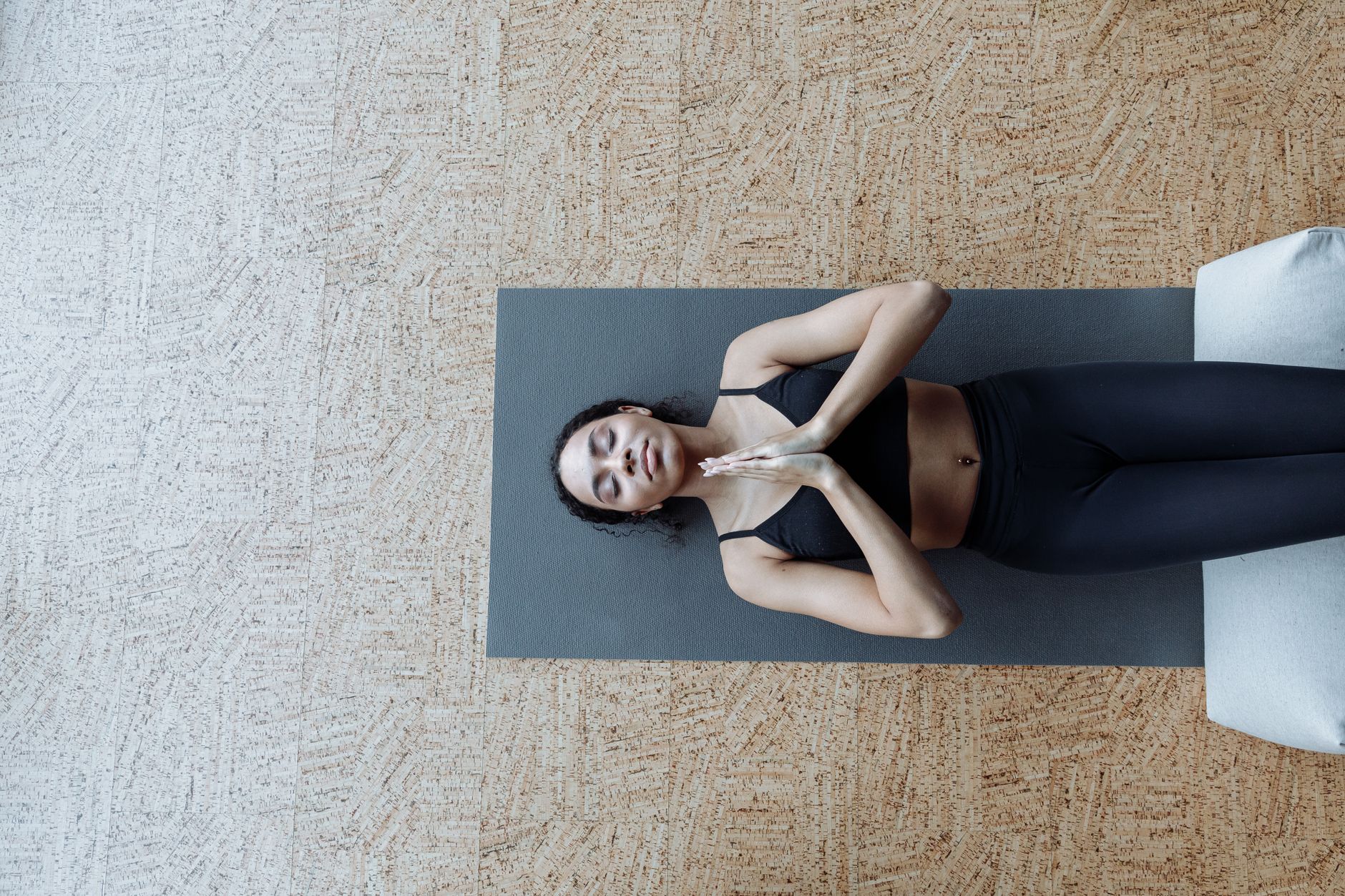
Periods. For many of us, they’re a monthly reality. And for a significant number, painful cramps are just part of the package. This discomfort isn't just a fleeting annoyance; it can seriously disrupt your work, your social life, your energy levels, your mood, and even your sleep. If you find yourself battling bloating, pain, and that general feeling of ‘blah’ during your period, please know you are absolutely not alone. Millions of women experience this every single month. The good news? There are effective strategies you can adopt to ease your symptoms and navigate your cycle with significantly less pain. Understanding Period Cramps (Dysmenorrhea) Period cramps, medically known as dysmenorrhea, are caused by a group of hormone-like substances called prostaglandins. These compounds are released by the uterus as it contracts to shed its lining. When prostaglandin levels are high, particularly on the first day or a few days before your period begins, the uterus contracts more forcefully. This can lead to intense pain, often felt in the lower abdomen, back, and thighs. In some cases, primary dysmenorrhea might be linked to factors like genetics, early menstruation, or even lifestyle choices. For some women, conditions like endometriosis or uterine fibroids can also cause severe cramping, but we'll focus on primary dysmenorrhea here. Yoga: A Powerful Ally Against Period Pain Heading to your yoga mat might sound counterintuitive when you're already in pain, but yoga offers a wealth of benefits for menstrual discomfort. Gentle movement, as encouraged in yoga, significantly improves blood flow, not just to the uterus but throughout your entire body. This enhanced circulation is key to easing muscle tension and, consequently, relieving cramps. Research backs this up! A 2017 review of fifteen studies highlighted yoga's effectiveness in alleviating premenstrual syndrome (PMS) symptoms. Furthermore, a 2011 study demonstrated that yoga could reduce the severity and duration of primary dysmenorrhea. Beyond the physical relief, studies from 2011 also show that yoga can be a potent tool for improving mental well-being, helping to combat stress, anxiety, and mood swings often associated with periods. Beneficial Yoga Poses for Cramp Relief Supported Savasana (Corpse Pose): This is often cited as the most effective pose for period cramp relief. Lie on your back and place a bolster or firm pillow under your knees. This gentle elevation decompresses the lumbar spine, reducing lower back pressure and discomfort. Having your legs slightly elevated also helps improve overall circulation. Child's Pose (Balasana): Kneel on the floor with your big toes touching and your knees hip-width apart. Lower your torso between your thighs, extend your arms forward, and rest your forehead on the mat. This pose gently stretches the hips, thighs, and ankles while relieving stress and fatigue. It promotes relaxation and can ease abdominal discomfort. Cat-Cow Pose (Marjaryasana-Bitilasana): Start on your hands and knees, ensuring your wrists are under your shoulders and your knees are under your hips. As you inhale, drop your belly, arch your back, and look up (Cow pose). As you exhale, round your spine, tuck your chin to your chest, and draw your navel towards your spine (Cat pose). This dynamic movement massages the abdominal organs and gently mobilizes the spine, improving circulation and relieving tension. Supine Spinal Twist (Supta Matsyendrasana): Lie on your back with your knees bent and feet flat on the floor. Draw your knees towards your chest, then gently let them fall to one side while extending your opposite arm out to the side. Keep your gaze looking towards your extended arm. This pose helps to gently twist and release tension in the spine and abdomen. Reclining Bound Angle Pose (Supta Baddha Konasana): Lie on your back and bring the soles of your feet together, letting your knees fall open to the sides. You can place blocks or pillows under your knees for support. This pose opens the hips and groin area, which can store tension related to menstrual discomfort. Ergonomic Strategies for Work and Daily Life Painful cramps shouldn't stop you from living your life. Whether you're at your desk, commuting, or just trying to get through the day, small adjustments can make a big difference. Dr. Laurence Agénor, a doctor of physical therapy specializing in pelvic health, emphasizes the importance of maintaining good posture and movement. Key Ergonomic Tips: Lumbar Support: When sitting, use a lumbar support pillow or a rolled-up towel behind your lower back. This helps maintain a neutral spine, reducing strain and pressure on your back, a common site for period pain radiation. Ideally, your feet should be firmly planted on the ground with your hips and knees at a 90-degree angle. Regular Movement Breaks: Don't stay in one position for too long! Get up and walk around for a few minutes every hour. This simple act combats stiffness and boosts blood flow throughout your body, which is vital for reducing muscle tension and pain. Even a short stroll can be incredibly beneficial. Gentle Stretching: Incorporate simple stretches throughout your day. Forward folds, gentle twists, and hip openers can be done discreetly at your desk or during a break to alleviate tightness. Dietary Adjustments for Period Pain What you eat can significantly impact your menstrual symptoms. Some dietary changes, combined with regular exercise, have shown promise in reducing dysmenorrhea. A 2016 study highlighted that consuming foods rich in omega-3 fatty acids, like fish, and plenty of fruits, vegetables, and eggs, while reducing intake of foods high in arachidonic acid (a type of omega-6 fatty acid) found in red meat and dairy, could help lessen cramp severity. This was coupled with brisk walking for 30 minutes daily during the first three days of menstruation. Foods to Consider: Fatty Fish: Salmon, mackerel, and sardines are rich in omega-3s, which have anti-inflammatory properties. Fruits and Vegetables: Load up on antioxidant-rich produce for overall health and reduced inflammation. Whole Grains: Provide sustained energy and fiber. Nuts and Seeds: Offer healthy fats and minerals. Foods to Limit: Red Meat and Full-Fat Dairy: These can be higher in inflammatory omega-6 fatty acids. Processed Foods and Sugary Drinks: These can contribute to inflammation and energy crashes. Excessive Salt: Can worsen bloating. Other Comfort Measures Beyond yoga and diet, several other practices can offer relief: Heat Therapy: Applying a heating pad or hot water bottle to your lower abdomen or back can relax muscles and ease pain. Massage: Gentle abdominal massage has been shown to be effective. A 2005 study concluded that abdominal meridian massage could relieve dysmenorrhea, and a 2010 study found massage therapy beneficial for endometriosis-related pain. You can practice self-massage or seek professional help. Hydration: Drinking plenty of water is essential for overall bodily function and can help reduce bloating. Herbal teas like chamomile or ginger tea can also be soothing. When to Consult a Doctor While monthly cramps are common, severe or persistent pain is not something you should just endure. If your period pain is debilitating, interferes significantly with your daily life, or is accompanied by other concerning symptoms, it's time to seek medical advice. Consult your doctor if you experience: Pain that is much worse than usual or has suddenly worsened. Pain that doesn't improve with over-the-counter pain relievers. Pain that occurs outside of your period. Heavy menstrual bleeding or bleeding between periods. Fever or unusual vaginal discharge. Pain during intercourse. Concerns about underlying conditions like endometriosis or fibroids. Your doctor can help diagnose the cause of your pain and recommend the most appropriate treatment plan, which might include prescription medications, hormonal therapies, or other interventions. Frequently Asked Questions (FAQ) Q1: Can yoga really help with severe period cramps? Yes, studies suggest that regular yoga practice can significantly reduce the severity and duration of period cramps and other PMS symptoms. The gentle movements improve circulation and reduce muscle tension. Q2: Is it safe to exercise during my period? For most women, gentle to moderate exercise, like walking or yoga, is safe and beneficial during your period. It can help alleviate cramps and improve mood. However, listen to your body and avoid strenuous activities if you feel unwell or experience severe pain. Q3: What's the difference between period cramps and pain from other conditions? Primary dysmenorrhea (common period cramps) is typically related to prostaglandin release and tends to occur predictably around your period. Pain from conditions like endometriosis, fibroids, or pelvic inflammatory disease can be more severe, persistent, occur outside of your period, and may be associated with other symptoms like heavy bleeding or pain during intercourse. Q4: How quickly can I expect relief from these methods? Relief can vary. Some individuals find immediate comfort from heat or certain yoga poses. For changes in diet or consistent yoga practice, it may take a few cycles to notice significant improvements. It's about consistent effort and finding what works best for your body. Q5: Are there any medications for period cramps? Yes, over-the-counter nonsteroidal anti-inflammatory drugs (NSAIDs) like ibuprofen or naproxen are often recommended as a first-line treatment. For more severe pain, a doctor might prescribe stronger pain relievers or
In summary, timely diagnosis, evidence-based treatment, and prevention-focused care improve long-term health outcomes.
Visit Hospital
Near You

A cesarean section (C-section) is a surgical delivery in which a baby is born through an incision in the mother's abdomen and uterus. In Kolkata, several experienced obstetricians and well-equipped hospitals offer C-section services for planned and emergency deliveries. Understanding when a C-sectio
July 31, 2026
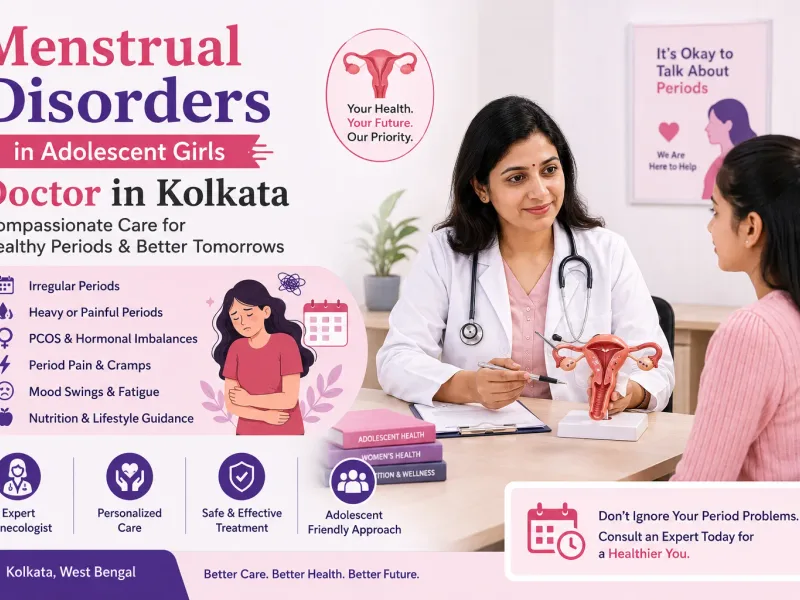
If you are searching for a Menstrual Disorders in Adolescent Girls Doctor in Kolkata, early evaluation by an experienced gynecologist can help identify the underlying cause of irregular or painful periods. While menstrual irregularities are common during the first few years after puberty, persistent
July 31, 2026
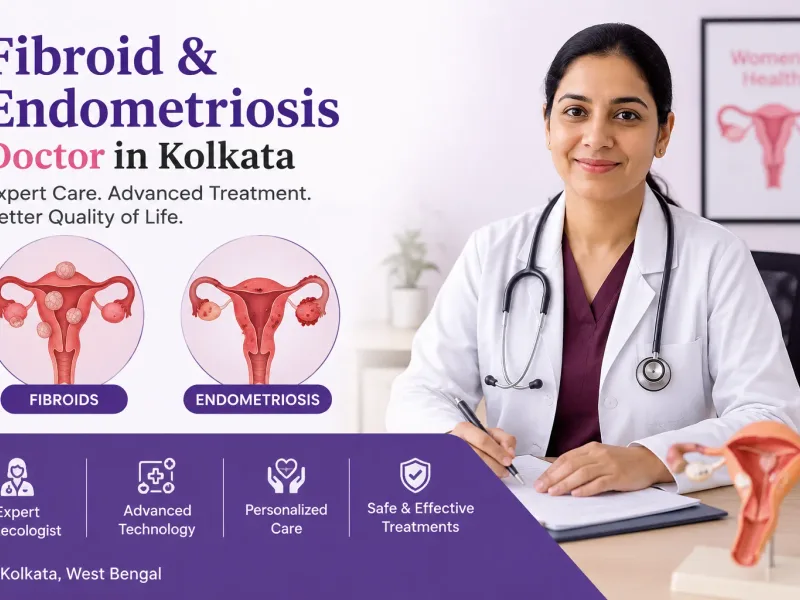
If you are searching for a Fibroid & Endometriosis doctor in Kolkata, choosing an experienced gynecologist with expertise in minimally invasive gynecological surgery is essential. Uterine fibroids and endometriosis are two common but different conditions that can cause pelvic pain, heavy menstrual b
July 31, 2026