

Emergency & Help
24/7 Emergency & General Advisory
🚨 24/7 Medical Emergency
Non-Emergency Advisory
10:00 AM – 6:00 PM, Mon–Sat
For appointments & general queries.
24/7 Emergency & General Advisory
🚨 24/7 Medical Emergency
Non-Emergency Advisory
10:00 AM – 6:00 PM, Mon–Sat
For appointments & general queries.
Learn about the symptoms, causes, diagnosis, and treatment of ruptured ovarian cysts. Understand when to seek medical help and what to expect.

Understanding Ruptured Ovarian Cysts: A Woman's Guide Ovarian cysts are quite common, especially for women of childbearing age. Think of them as small, fluid-filled sacs that develop in or on your ovaries. Most of the time, these cysts are completely normal and a natural part of your menstrual cycle. They often form when a follicle, which is a tiny sac holding an egg, grows larger than usual during ovulation. When the egg is released, this follicle typically ruptures, and the cyst dissolves on its own within a few weeks. You might not even notice it happened! However, sometimes these cysts can cause issues, especially if they rupture unexpectedly. A ruptured ovarian cyst occurs when the sac breaks open, releasing its contents. While many ruptures are painless and part of the normal ovulation process, others can lead to sudden and sometimes severe pain, prompting concern. Types of Ovarian Cysts It helps to know that not all ovarian cysts are the same. Understanding the different types can shed light on why some cause symptoms and others don't: Functional Cysts: These are the most common and usually harmless. They are associated with your menstrual cycle. Follicular cysts develop when the follicle doesn't rupture to release the egg, and corpus luteum cysts form after the follicle releases the egg but seals off and fills with fluid. Most functional cysts disappear on their own. Dermoid Cysts (Teratomas): These are present from birth and can contain other tissues like hair, bone, or skin. They are less common but can grow quite large. Cystadenomas: These form on the surface of the ovary and can be filled with fluid or other material from the ovary. Endometriomas: These are associated with endometriosis, a condition where uterine tissue grows outside the uterus. Endometriomas are filled with blood and can cause significant pain. Malignant Ovarian Cysts: While less common, especially in younger women, some ovarian cysts can be cancerous. If a cyst is suspected to be malignant, it usually requires prompt medical attention and treatment. Recognizing the Symptoms of a Ruptured Ovarian Cyst The key indicator of a ruptured ovarian cyst is often sudden pain. This pain is typically felt in the lower abdomen or pelvic area. It's often described as sharp and can be more intense on one side, usually the side where the cyst ruptured. However, the location of the pain can vary, especially with cysts like endometriomas that can be on either side. You might notice pain particularly after sexual intercourse or during physical activity. The timing of the pain can also be a clue. For many, pain related to a ruptured functional cyst occurs around the midpoint of their menstrual cycle (ovulation). Other types of cysts might rupture at different times. Beyond pain, other symptoms can accompany a ruptured ovarian cyst: Tenderness in the pelvic or abdominal region. A feeling of fullness or heaviness in your pelvis. In cases of significant bleeding within the abdomen, you might experience referred pain in your shoulder. This is because blood can irritate the diaphragm, which shares nerve pathways with the shoulder. It's important to remember that many women experience mild discomfort or cramping during ovulation, known as mittelschmerz. This is usually normal and not a cause for alarm. However, if the pain is severe or persistent, it warrants medical attention. When Pain Isn't Just Ovulation: Other Causes Sudden abdominal or pelvic pain can be alarming, and a ruptured ovarian cyst is just one possibility. Several other conditions can mimic these symptoms. It's vital to consider these other potential causes, especially if you have severe pain or other concerning symptoms: Ectopic Pregnancy: This is a medical emergency where a fertilized egg implants outside the uterus, often in a fallopian tube. Symptoms can include sharp pain, vaginal bleeding, and dizziness. Appendicitis: Inflammation of the appendix can cause severe abdominal pain, often starting near the belly button and moving to the lower right side. Other symptoms include nausea, vomiting, and fever. Pelvic Inflammatory Disease (PID): This is an infection of the female reproductive organs, often caused by STIs. It can lead to pelvic pain, fever, and unusual discharge. Ovarian Torsion: This occurs when an ovary twists on its supporting tissues, cutting off its blood supply. It causes sudden, severe pain, often with nausea and vomiting. This is a surgical emergency. Kidney Stones: Stones in the urinary tract can cause intense pain that radiates from the back to the side and groin. Gastrointestinal Issues: Conditions like appendicitis, diverticulitis, or even severe constipation can cause abdominal pain. Diagnosis: How Doctors Figure It Out If you experience sudden, severe pelvic pain, seeing a doctor is essential. They will start by asking about your medical history, including your menstrual cycle, sexual activity, and the nature of your pain. A physical examination, including a pelvic exam, helps them assess for tenderness or masses. Several diagnostic tools can help confirm the cause: Ultrasound: This is the primary imaging tool. A transvaginal ultrasound (where a small probe is inserted into the vagina) provides clear images of the ovaries and can detect cysts, their size, and whether they appear to have ruptured. An abdominal ultrasound may also be used. Blood Tests: These can help rule out other conditions, check for signs of infection, and sometimes assess hormone levels. A pregnancy test is standard for women of childbearing age. Laparoscopy: In some cases, if the diagnosis is unclear or if there's suspicion of complications like bleeding or torsion, a minimally invasive surgical procedure called laparoscopy might be recommended. A small camera is inserted into the abdomen to directly visualize the organs. Treatment and Management The treatment for a ruptured ovarian cyst depends heavily on the severity of your symptoms, the amount of bleeding, and the type of cyst involved. Conservative Management: For most uncomplicated ruptures, especially those that are part of the normal menstrual cycle, treatment is conservative. This usually involves: Pain Relief: Over-the-counter pain medications like ibuprofen or acetaminophen can help manage discomfort. Rest: Avoiding strenuous activity can aid recovery. Observation: Your doctor may recommend monitoring your symptoms to ensure they improve. When Surgery Might Be Needed: Surgery becomes necessary in certain situations: Severe Pain or Heavy Bleeding: If the rupture causes significant internal bleeding (hemorrhage), leading to severe pain, dizziness, or a drop in blood pressure, prompt surgical intervention is required to stop the bleeding. This is often done laparoscopically. Ovarian Torsion: If the ovary has twisted, surgery is needed urgently to untwist it and restore blood flow, saving the ovary if possible. Large or Complex Cysts: If the ruptured cyst was large, or if it was a type that is more likely to recur or be associated with other issues (like a dermoid cyst or cystadenoma), your doctor might recommend removing it surgically, even if the rupture itself isn't causing severe symptoms. This is to prevent future problems. Malignant Cysts: If a cyst is cancerous, surgery is the primary treatment, often involving removal of the ovary and potentially other reproductive organs. A common scenario: Priya, a 28-year-old graphic designer, experienced sudden, sharp pain on her right side during her lunch break. She felt a bit nauseous and her abdomen was tender to the touch. She initially worried it was food poisoning, but the pain persisted, especially when she walked. Remembering her friend’s experience, she decided to visit her gynecologist, who suspected a ruptured cyst. Prevention and Future Health While you can't always prevent ovarian cysts from forming, as many are a normal part of the reproductive cycle, there are steps you can take to reduce risks and promote overall reproductive health: Regular Gynecological Check-ups: See your doctor for routine pelvic exams and screenings. Early detection of any abnormalities is key. Hormonal Contraceptives: Birth control pills can help prevent the formation of new functional cysts by suppressing ovulation. Discuss this option with your doctor if it's appropriate for you. Maintain a Healthy Lifestyle: A balanced diet, regular exercise, and stress management contribute to overall well-being and can support hormonal balance. Be Aware of Your Cycle: Understanding your menstrual cycle and recognizing any unusual changes or persistent pain can help you seek timely medical advice. When to Seek Immediate Medical Help Don't hesitate to seek emergency medical care if you experience any of the following symptoms along with sudden pelvic pain: Severe, unbearable pain. Dizziness, fainting, or feeling like you might pass out. Rapid heartbeat. Fever. Chills. Nausea and vomiting. Abdominal swelling or bloating. Vaginal bleeding that is heavier than your normal period or occurs outside your period. These could indicate a serious complication like significant internal bleeding or ovarian torsion, which require immediate attention. Frequently Asked Questions (FAQ) Can I get pregnant if I have a ruptured ovarian cyst? Yes, in most cases. If the rupture is a normal part of ovulation, it means an egg has been released, which is necessary for conception. Many women conceive without issues after a ruptured cyst. However, if the rupture caused significant bleeding or complications, it's best to discuss your fertility with your
In summary, timely diagnosis, evidence-based treatment, and prevention-focused care improve long-term health outcomes.
Visit Hospital
Near You

A cesarean section (C-section) is a surgical delivery in which a baby is born through an incision in the mother's abdomen and uterus. In Kolkata, several experienced obstetricians and well-equipped hospitals offer C-section services for planned and emergency deliveries. Understanding when a C-sectio
July 31, 2026
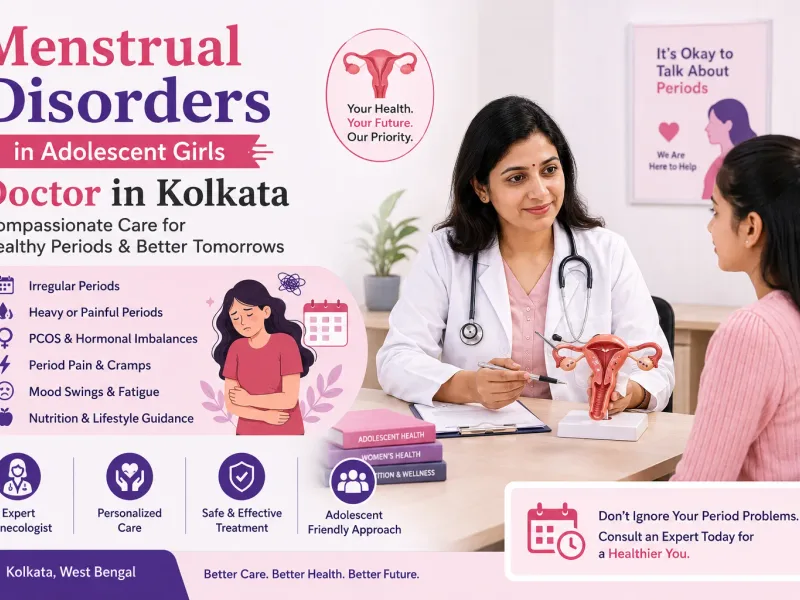
If you are searching for a Menstrual Disorders in Adolescent Girls Doctor in Kolkata, early evaluation by an experienced gynecologist can help identify the underlying cause of irregular or painful periods. While menstrual irregularities are common during the first few years after puberty, persistent
July 31, 2026
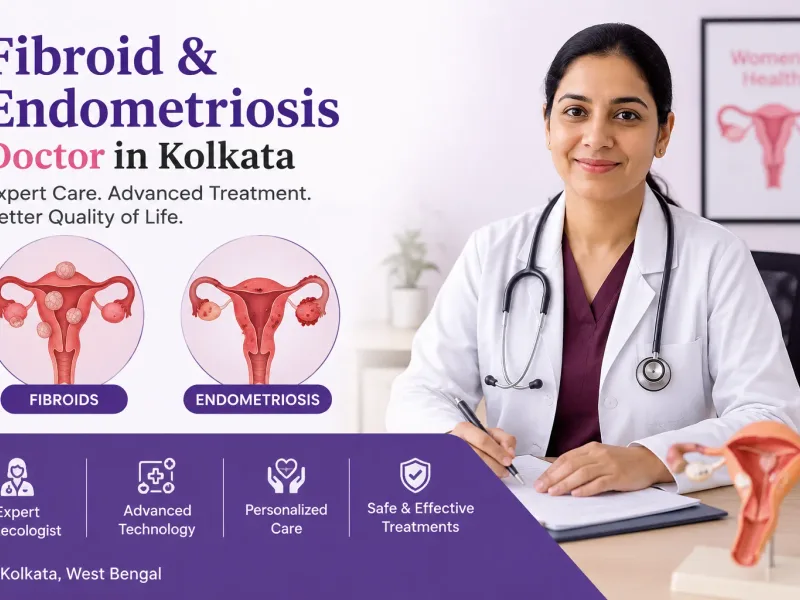
If you are searching for a Fibroid & Endometriosis doctor in Kolkata, choosing an experienced gynecologist with expertise in minimally invasive gynecological surgery is essential. Uterine fibroids and endometriosis are two common but different conditions that can cause pelvic pain, heavy menstrual b
July 31, 2026