

Emergency & Help
24/7 Emergency & General Advisory
🚨 24/7 Medical Emergency
Non-Emergency Advisory
10:00 AM – 6:00 PM, Mon–Sat
For appointments & general queries.
24/7 Emergency & General Advisory
🚨 24/7 Medical Emergency
Non-Emergency Advisory
10:00 AM – 6:00 PM, Mon–Sat
For appointments & general queries.
Surgical menopause occurs after the surgical removal of both ovaries (oophorectomy). Understand its causes, symptoms, risks, and treatment options like HRT.

Menopause is a natural biological stage in a woman's life, typically occurring between the ages of 45 and 55. It's officially diagnosed when a woman has not had a menstrual period for 12 consecutive months. However, some individuals experience perimenopausal symptoms for years leading up to this point. Surgical menopause, on the other hand, is a different phenomenon. It happens when menopause is induced by surgery, specifically the removal of both ovaries, a procedure known as an oophorectomy. This surgical intervention causes an abrupt and immediate cessation of ovarian function, leading to menopausal symptoms regardless of your age.
An oophorectomy can be performed as a standalone surgery, or it might be done alongside a hysterectomy, which is the removal of the uterus. While a hysterectomy stops periods, it only leads to menopause if the ovaries are also removed. The decision to undergo such a surgery is significant and is usually made after careful consideration of potential benefits and risks, often in the context of treating or preventing certain medical conditions.
The primary reasons for recommending an oophorectomy often revolve around preventing or treating serious health issues. For some women, removing the ovaries can be a life-saving measure, particularly when there's a high risk of developing certain cancers. Cancers like ovarian and breast cancer can be fueled by estrogen, a hormone produced by the ovaries. In individuals with a strong family history of these cancers, or specific genetic predispositions (like BRCA gene mutations), their bodies may struggle to suppress tumor growth. In such cases, an oophorectomy acts as a preventive strategy, significantly reducing the risk of developing these hormone-sensitive cancers at an earlier age.
Another significant reason for considering ovarian removal is to manage conditions like endometriosis. Endometriosis is a painful disorder where tissue similar to the lining of the uterus grows outside of it, potentially affecting the ovaries, fallopian tubes, and other pelvic organs. This abnormal tissue growth can cause severe pelvic pain. By removing the ovaries, estrogen production is dramatically reduced, which can help slow or stop the growth of this tissue and alleviate pain symptoms. However, it's important to note that while oophorectomy can offer relief, it is not always effective for everyone, and surgical menopause is generally not recommended solely for managing other pelvic conditions if ovaries are functioning normally.
Beyond cancer prevention and endometriosis management, other medical situations might lead to the recommendation of an oophorectomy. These can include:
In some instances, individuals might elect to have their ovaries removed for personal reasons, such as a desire to avoid future menstrual cycles or concerns about hormonal fluctuations associated with natural aging. However, medical professionals strongly advise against removing healthy, functioning ovaries solely for these reasons, emphasizing the importance of preserving their hormonal functions.
The symptoms of surgical menopause often mirror those of natural menopause but tend to appear more suddenly and can be more intense due to the abrupt drop in hormone levels. Common symptoms include:
These symptoms can significantly impact a woman's quality of life. The intensity and duration of symptoms can vary greatly from person to person.
Undergoing an oophorectomy, especially at a younger age, carries potential long-term health risks. The absence of ovarian hormones, particularly estrogen, can have widespread effects on the body:
It's essential to discuss these risks thoroughly with your doctor, considering your individual health profile and family history.
For many women experiencing surgical menopause, Hormone Replacement Therapy (HRT) is often recommended to manage symptoms and mitigate long-term health risks. HRT involves taking medications that supplement the hormones your body is no longer producing. This can help alleviate hot flashes, vaginal dryness, and mood swings, and it also plays a role in preventing bone loss and potentially reducing the risk of heart disease.
However, HRT is not suitable for everyone. Doctors typically avoid prescribing estrogen-based HRT for individuals with a history of certain hormone-sensitive cancers, such as breast or ovarian cancer, as it could potentially stimulate cancer recurrence. Your doctor will assess your medical history, including any personal or family history of cancer, to determine if HRT is a safe and appropriate option for you. They might consider alternative treatments or specific types of HRT tailored to your needs.
Consider Priya, a 38-year-old who recently underwent an oophorectomy due to aggressive ovarian cancer. The surgery was necessary to prevent the cancer from spreading. Within days, she began experiencing severe hot flashes and found herself struggling with sleep. Her doctor discussed HRT, but due to her cancer history, they opted for a lower-dose, carefully monitored approach combined with lifestyle changes to manage her symptoms and support her long-term health.
If you are considering a procedure that involves ovarian removal, or if you have undergone an oophorectomy and are experiencing bothersome menopausal symptoms, it is crucial to consult with your healthcare provider. Specifically, reach out to your doctor if you experience:
Your doctor can provide personalized advice, discuss treatment options, and help you navigate the changes associated with surgical menopause to maintain your well-being.
A1: While both result in menopause, surgical menopause is induced by the removal of ovaries, leading to a sudden and often more intense onset of symptoms compared to the gradual transition of natural menopause.
A2: No. The ovaries are responsible for producing eggs, so their removal makes natural pregnancy impossible. If you wish to have children, you would need to explore options like egg freezing before the surgery or consider adoption.
A3: Symptoms can vary. Without hormone therapy, they can persist for years. HRT can significantly alleviate symptoms, and their severity often decreases over time, though some women experience them long-term.
A4: Removing ovaries significantly reduces the risk of developing ovarian and breast cancer, especially in individuals with a high genetic predisposition or strong family history of these cancers.
Visit Hospital
Near You

A cesarean section (C-section) is a surgical delivery in which a baby is born through an incision in the mother's abdomen and uterus. In Kolkata, several experienced obstetricians and well-equipped hospitals offer C-section services for planned and emergency deliveries. Understanding when a C-sectio
July 31, 2026
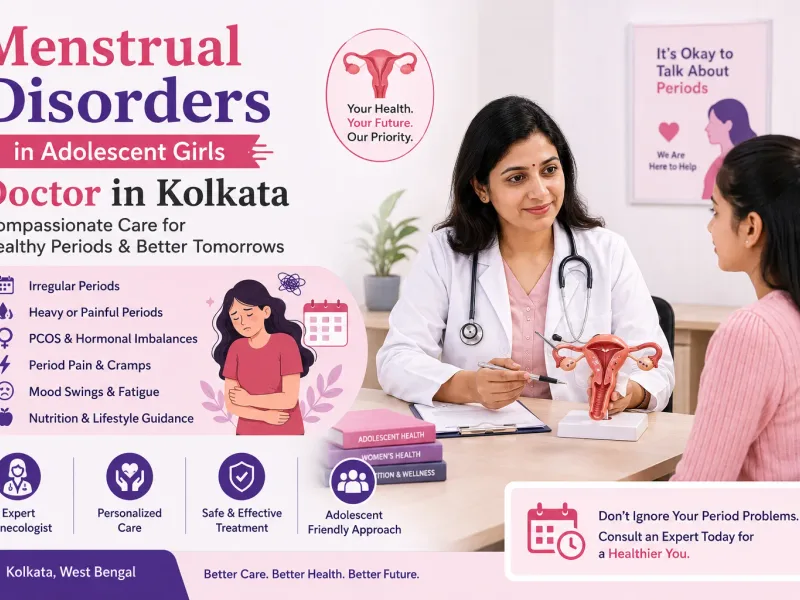
If you are searching for a Menstrual Disorders in Adolescent Girls Doctor in Kolkata, early evaluation by an experienced gynecologist can help identify the underlying cause of irregular or painful periods. While menstrual irregularities are common during the first few years after puberty, persistent
July 31, 2026
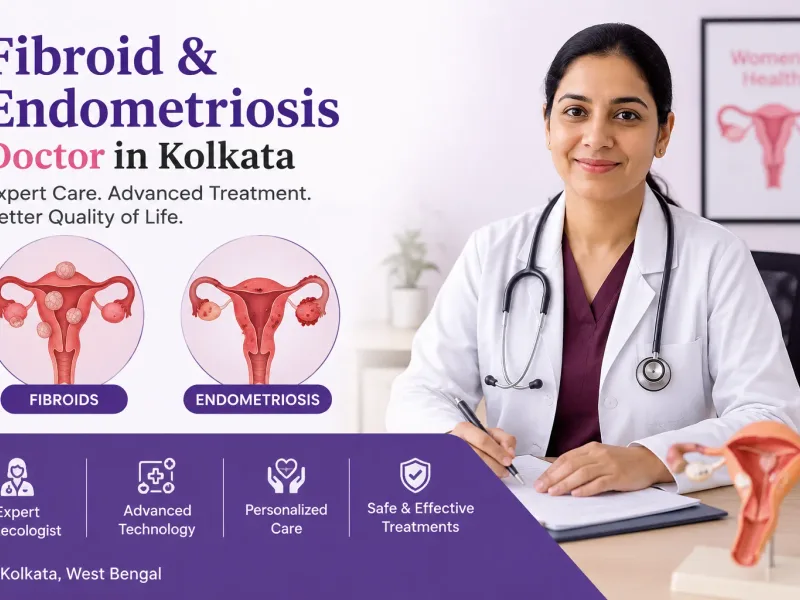
If you are searching for a Fibroid & Endometriosis doctor in Kolkata, choosing an experienced gynecologist with expertise in minimally invasive gynecological surgery is essential. Uterine fibroids and endometriosis are two common but different conditions that can cause pelvic pain, heavy menstrual b
July 31, 2026