

Emergency & Help
24/7 Emergency & General Advisory
🚨 24/7 Medical Emergency
Non-Emergency Advisory
10:00 AM – 6:00 PM, Mon–Sat
For appointments & general queries.
24/7 Emergency & General Advisory
🚨 24/7 Medical Emergency
Non-Emergency Advisory
10:00 AM – 6:00 PM, Mon–Sat
For appointments & general queries.
Confused by tampon sizes and absorbency labels? This guide breaks down what 'light,' 'regular,' and 'super' really mean, helping you choose the perfect tampon for your flow and stay comfortable.
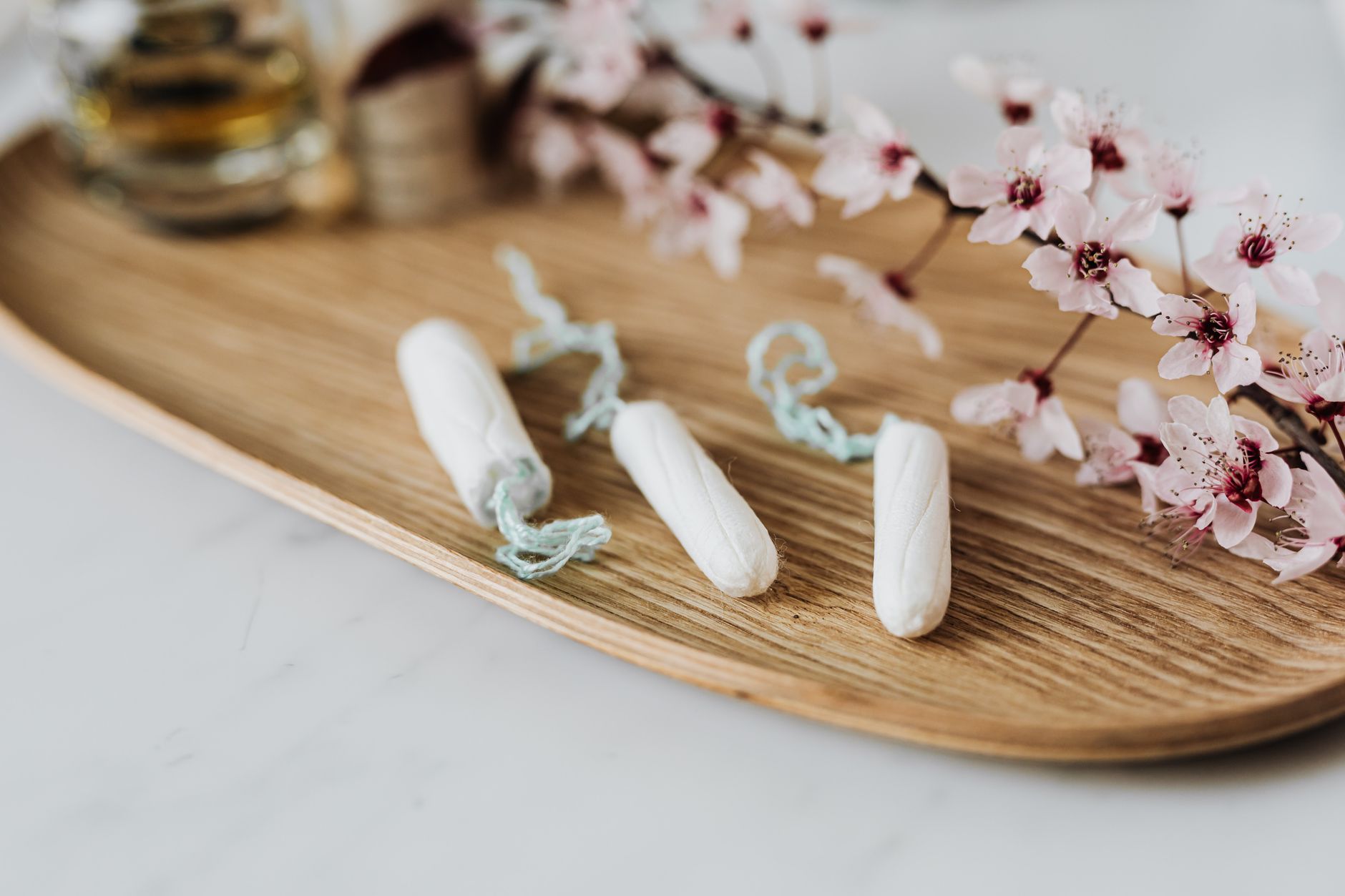
Standing in the menstrual product aisle can feel overwhelming. You see different colours, different boxes, and you wonder: what do these tampon sizes actually mean? Does a 'super' tampon mean it's physically bigger, or does it absorb more? It’s a common question, and the truth is simpler than you might think. The 'size' of a tampon primarily refers to its absorbency level, not its physical dimensions like length or width. Understanding this difference is key to choosing the right tampon for your body and your period, helping you stay comfortable and confident.
Your period flow isn't static. It can change from day to day, or even hour to hour. Some people have a heavier flow at the beginning of their period, while others experience it towards the middle. Some flows are naturally heavier than others. Using a tampon with the correct absorbency is essential for a few reasons:
Tampon boxes usually come with clear labels indicating their absorbency. While brand names might vary slightly, here's a general guide:
Important Note: These gram ranges are general guidelines. Always check the packaging of your specific brand for exact absorbency information.
Determining the correct tampon absorbency is largely about listening to your body and observing how the tampon performs. Here's how:
Real-life scenario: Priya usually has a heavy flow for the first two days of her period. She found that using 'Super Plus' tampons on those days prevents any leaks, giving her peace of mind. By day three, her flow lightens, and she switches to 'Regular' tampons for comfort.
Absolutely! Many people find it most comfortable and effective to use a variety of tampon absorbencies throughout their period. This allows you to tailor your protection to your specific flow on any given day. For example:
However, if you consistently have a light flow, you might find that 'Regular' tampons work well for your entire period. It's all about personal preference and finding what works best for you.
While absorbency is the main difference, there can be slight variations in the physical dimensions of tampons, especially between different absorbency levels:
The terms 'slim' or 'slender' are sometimes used by brands to describe their lighter absorbency tampons, making them sound more appealing. However, not all 'slim' tampons are necessarily 'light' in absorbency. Always check the box for the official absorbency rating (e.g., Light, Regular, Super).
Active or 'sports' tampons are designed with features like leak-guard protection on the string or a different expansion method to provide extra security during physical activity. While they can be beneficial for athletes, anyone can use them if they prefer the level of protection. You don't need to be an athlete to choose an active tampon, and regular tampons usually work perfectly fine for sports too.
While choosing the right tampon absorbency is usually straightforward, there are times when you should seek medical advice:
While you can, it's not generally recommended. A highly absorbent tampon may not absorb enough moisture from your vaginal canal, leading to dryness, discomfort, and a potential increase in the risk of TSS. It's best to match the tampon absorbency to your flow.
You should change your tampon every 4 to 8 hours. Never leave a tampon in for longer than 8 hours to reduce the risk of TSS. If you use a very high absorbency tampon, you might need to change it more frequently.
The primary risk associated with tampon use is Toxic Shock Syndrome (TSS). However, the risk is very low, especially when tampons are used correctly and changed regularly. Using the lowest effective absorbency and not wearing tampons overnight can further minimize this risk.
Tampons come with or without applicators. Applicators (usually made of plastic or cardboard) help with insertion. Applicator-free tampons require you to insert them directly with your finger. The choice between them is purely a matter of personal preference and comfort.
Visit Hospital
Near You

A cesarean section (C-section) is a surgical delivery in which a baby is born through an incision in the mother's abdomen and uterus. In Kolkata, several experienced obstetricians and well-equipped hospitals offer C-section services for planned and emergency deliveries. Understanding when a C-sectio
July 31, 2026

If you are searching for a Menstrual Disorders in Adolescent Girls Doctor in Kolkata, early evaluation by an experienced gynecologist can help identify the underlying cause of irregular or painful periods. While menstrual irregularities are common during the first few years after puberty, persistent
July 31, 2026

If you are searching for a Fibroid & Endometriosis doctor in Kolkata, choosing an experienced gynecologist with expertise in minimally invasive gynecological surgery is essential. Uterine fibroids and endometriosis are two common but different conditions that can cause pelvic pain, heavy menstrual b
July 31, 2026