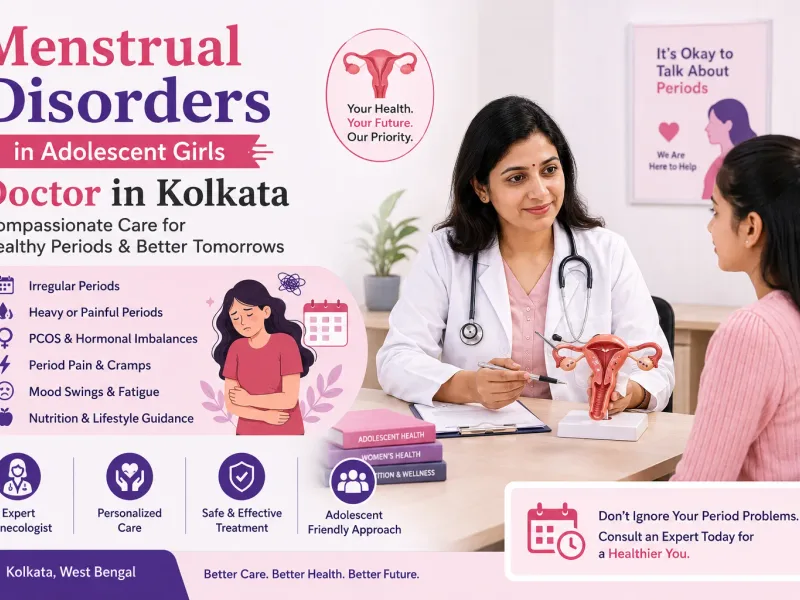
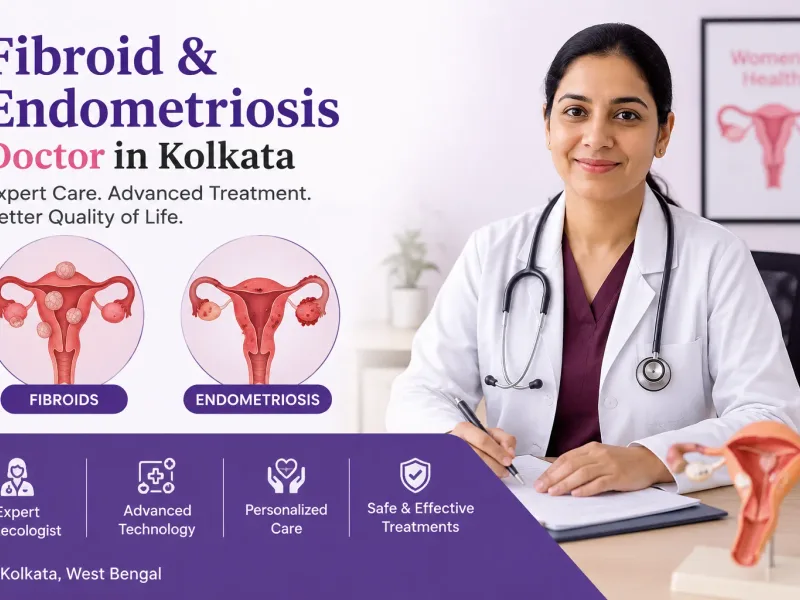
Oh, the monthly visitor! For many of us, that time of the month brings with it a familiar, unwelcome guest: period cramps. These abdominal pangs can range from a dull ache to a debilitating throb, making even the simplest tasks feel monumental. And when you're reaching for a tampon to manage your flow, a nagging question might surface: could this very tampon be making those cramps even worse? It's a common concern, a whisper in the back of many minds as they navigate their menstrual cycle. Let's get to the bottom of this, shall we? We're going to unravel the connection, or lack thereof, between tampons and period cramps, and explore some tried-and-true ways to find relief, no matter the cause. The short answer? Generally, no. Tampons themselves don't cause or worsen period cramps. Why the confidence? It all boils down to anatomy. Period cramps, those intense muscular squeezes you feel, originate in your uterus . This is where the magic (and sometimes the misery) of menstruation happens, as your uterus contracts to shed its lining. Tampons, on the other hand, sit comfortably within your vagina . These are two distinct spaces. Think of it like this: your uterus is the inner sanctum, and your vagina is the entryway. What happens in the entryway doesn't directly impact the inner workings of the sanctum when it comes to cramps. Understanding Period Cramps: The Prostaglandin Puzzle So, if tampons aren't the culprits, what is? The primary architects of period pain are a group of hormone-like substances called prostaglandins . These powerful compounds are released by the cells in your uterine lining. Their job? To signal the uterine muscles to contract. These contractions are essential; they help to expel the uterine lining and blood that are no longer needed. It's a natural, albeit often painful, process. Prostaglandins aren't just responsible for cramps, either. They can also contribute to other less-than-pleasant period symptoms, like digestive upset (hello, period poops!) and headaches. The intensity of your cramps often correlates with the levels of prostaglandins in your body. Typically, these levels are highest on the first day or two of your period, which is why many experience their most severe cramps at the start of their cycle. As your period progresses and prostaglandin levels decrease, the cramps usually subside. When Tampons Seem to Cause Pain: Other Possibilities Even though tampons don't directly cause menstrual cramps, it's true that some individuals experience pain or increased discomfort when using them. This can be confusing, especially if it coincides with your period. Let's explore some reasons why this might happen: Underlying Medical Conditions Sometimes, the pain associated with tampon use isn't about the tampon itself, but about an existing condition that makes the pelvic region more sensitive. If you have a condition that causes inflammation or pain in the pelvic area, inserting a tampon could potentially exacerbate that discomfort. Urinary Tract Infections (UTIs) UTIs are more common in people with vaginas due to the shorter urethra, which makes it easier for bacteria to enter the bladder. Hormonal changes during the menstrual cycle can sometimes make individuals more prone to UTIs just before their period. A UTI can cause pain and cramping in the lower abdomen and pelvic region, along with discomfort during urination and sex. For someone experiencing a UTI, the presence of a tampon might indeed increase their existing pain. Endometriosis This is a condition where the tissue similar to the lining of the uterus (endometrial tissue) grows outside the uterus, often in the pelvic cavity and on reproductive organs. This can lead to inflammation, scarring, and significant pain, particularly around the time of your period. Endometriosis can cause painful intercourse, urination, and bowel movements. In such cases, tampon use might contribute to or worsen the existing pelvic pain. Vaginismus Vaginismus is a condition characterized by involuntary tightening of the vaginal muscles. This can make any form of vaginal penetration, including inserting a tampon, extremely painful or even impossible. The pain isn't caused by the tampon but by the body's reaction to attempted penetration. Choosing the Right Tampon: Size and Absorbency Matter Even when everything else is fine, the wrong tampon can lead to discomfort. Tampons come in various sizes and absorbency levels to cater to different flow intensities. Size: If a tampon is too large for you, or if you're using a size that's not appropriate for your flow, insertion and wear can be uncomfortable. A tampon that's too big might feel like it's pressing or causing a sensation of fullness, which could be misinterpreted as cramps. If there isn't enough menstrual fluid to absorb, the tampon material can stick to the vaginal walls, causing irritation and pain. Absorbency: Using a tampon with an absorbency that's too high for your flow can also be problematic. It might lead to dryness and irritation. Conversely, using a tampon that's too low in absorbency might mean frequent changes are needed, and if left in too long, it can increase the risk of irritation or, in rare cases, Toxic Shock Syndrome (TSS). It's generally recommended to start with the lowest absorbency needed and only increase it if necessary. Finding Relief from Period Cramps: Beyond Tampons Since tampons aren't the cause of your cramps, focusing on managing the cramps themselves is key. Thankfully, there are many effective strategies: Heat Therapy Applying heat is a classic for a reason! A warm bath or a heating pad placed on your lower abdomen or back can work wonders. The warmth helps to relax the contracting uterine muscles, easing the pain. For an extra boost, try adding a few drops of cinnamon bark essential oil to your bathwater; its warming and anti-inflammatory properties can be quite soothing. Gentle Exercise It might sound counterintuitive when you're feeling achy, but movement can be a powerful ally. Light to moderate exercise, such as yoga, stretching, or even a brisk walk, can release endorphins – your body's natural mood lifters and pain relievers. Aim for about 45 to 60 minutes of exercise, at least three times a week. Even a gentle yoga routine can make a significant difference. Over-the-Counter Pain Relievers Nonsteroidal anti-inflammatory drugs (NSAIDs) like ibuprofen or naproxen are often very effective for period cramps. They work by reducing the production of prostaglandins. Always follow the dosage instructions on the package or consult with your doctor or pharmacist. Hydration and Diet Staying well-hydrated is important for overall health, and it can also help with bloating and discomfort. Some people find that certain foods can worsen cramps (like salty or fatty foods), while others find relief with specific dietary choices. Herbal teas, like chamomile or ginger, are often recommended for their soothing properties. Stress Management Stress can sometimes amplify pain perception. Practicing relaxation techniques like deep breathing, meditation, or mindfulness can help manage stress and potentially reduce the intensity of your cramps. When to Seek Medical Advice While period cramps are a normal part of menstruation for many, there are times when they signal a more significant issue. Don't hesitate to consult a doctor if: Your cramps are severe and debilitating, significantly interfering with your daily life. Your cramps suddenly become much worse than usual. Your cramps persist beyond the first 1 or 2 days of your period. You experience other concerning symptoms along with cramps, such as heavy bleeding, pain during intercourse, irregular periods, or fever. You suspect you might have an underlying condition like endometriosis or a UTI. A healthcare professional can help diagnose the cause of your pain and recommend the most appropriate treatment plan. Frequently Asked Questions (FAQ) Q1: Can wearing a tampon cause pelvic pain? While tampons don't cause menstrual cramps (which originate in the uterus), they can sometimes cause pelvic pain or discomfort. This might be due to an ill-fitting tampon, an underlying condition making the area sensitive, or irritation. It's important to distinguish this from uterine cramps. Q2: What if I feel like my cramps are worse when I use tampons? This is likely a coincidence or related to other factors. If your period starts when you typically use tampons, you might associate the usual severity of your cramps with tampon use. However, the tampon itself isn't the cause. Ensure you're using the correct size and absorbency and consider if any underlying conditions might be contributing to pelvic discomfort. Q3: How can I make my period cramps less painful? Effective strategies include applying heat, gentle exercise, over-the-counter pain relievers (NSAIDs), staying hydrated, and managing stress. Experiment to find what works best for you. Q4: Are there any risks associated with tampon use? The main, though rare, risk associated with tampon use is Toxic Shock Syndrome (TSS), particularly if tampons are left in for too long or if an overly absorbent tampon is used improperly. Always follow the instructions for use, change tampons regularly (every 4-8 hours), and use the lowest absorbency necessary for your flow. Navigating menstrual health can be complex, but understanding the facts empowers you to make informed choices. Remember, your
In summary, timely diagnosis, evidence-based treatment, and prevention-focused care improve long-term health outcomes.