

Emergency & Help
24/7 Emergency & General Advisory
🚨 24/7 Medical Emergency
Non-Emergency Advisory
10:00 AM – 6:00 PM, Mon–Sat
For appointments & general queries.
24/7 Emergency & General Advisory
🚨 24/7 Medical Emergency
Non-Emergency Advisory
10:00 AM – 6:00 PM, Mon–Sat
For appointments & general queries.
Exploring the portrayal of teen pregnancy and abortion in media like 'The Chi' and 'P-Valley', and connecting these narratives to the realities faced by young people, especially in India, highlighting challenges, access to care, and the importance of open communication.
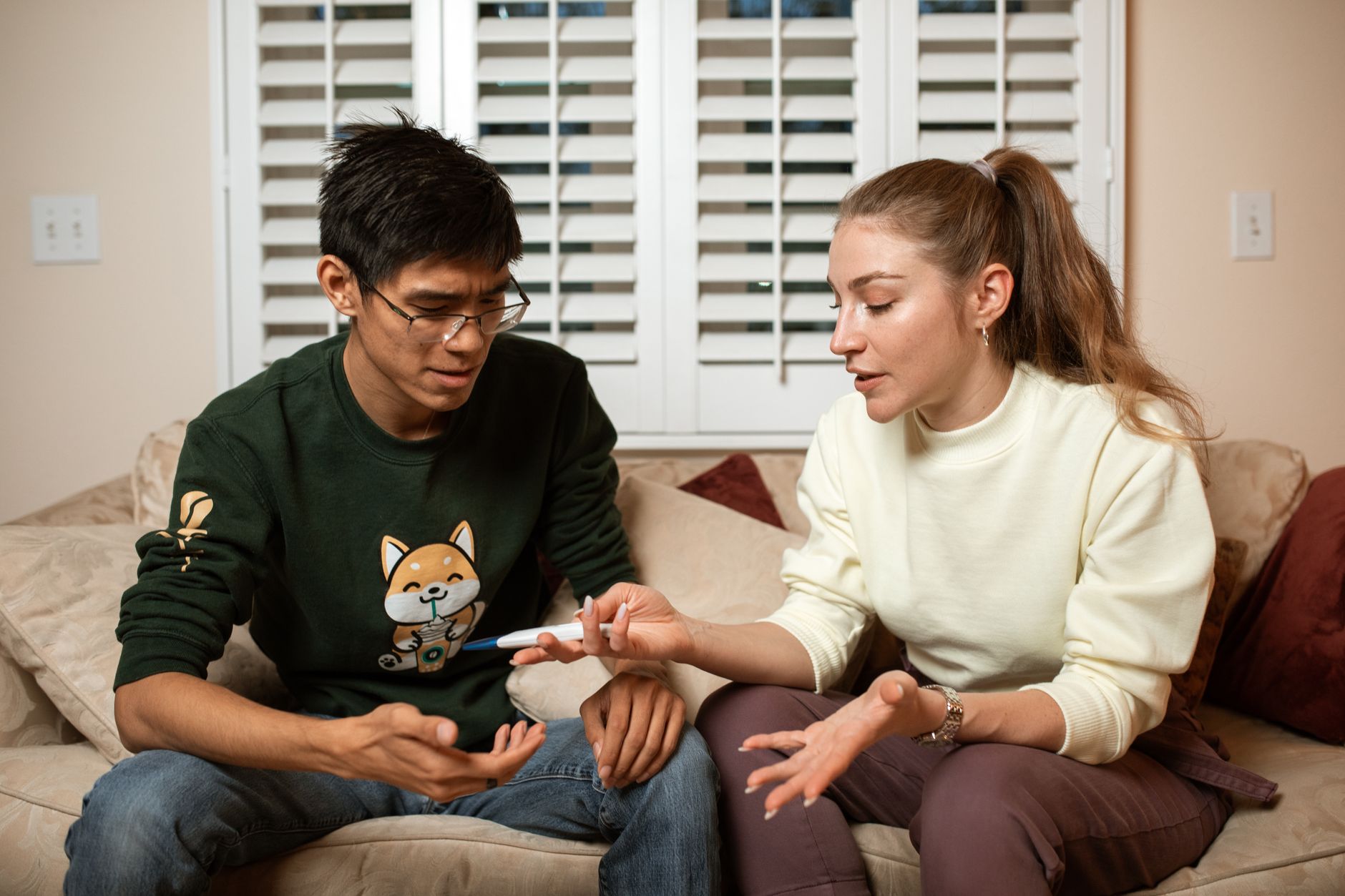
Teenage pregnancy and abortion are sensitive topics that have been increasingly explored in popular media, bringing to light the complex realities faced by young individuals. Shows like 'The Chi' and 'P-Valley' have tackled these issues, offering narratives that resonate with many, including those who have experienced unplanned pregnancies, reproductive healthcare decisions, and the intricate relationships between parents and teenagers. This discussion aims to delve into these themes, connecting fictional portrayals with the lived experiences of young people, particularly within marginalized communities in India and globally.
The recent overturning of Roe v. Wade in the United States has amplified the relevance of discussions surrounding reproductive rights and access to care. In this context, shows like 'The Chi' and 'P-Valley' serve as powerful platforms for exploring the challenges and decisions young people face. The characters of Jemma in 'The Chi' and Terricka in 'P-Valley' find themselves navigating unplanned pregnancies during their adolescence. These storylines often mirror the personal histories and family dynamics of viewers, fostering a sense of recognition and empathy.
The portrayal of mother-daughter relationships in these shows is particularly noteworthy. The anxieties and hopes associated with seeking reproductive healthcare, the fear of disappointing parents, and the initiation of difficult conversations about sex and sexuality are all depicted. For many, these scenes evoke memories of their own experiences, highlighting the universal nature of these challenges.
'P-Valley', set in the Mississippi Delta, often reflects the realities of individuals from lower and working-class socioeconomic backgrounds. This setting is crucial as it underscores the disparities in access to reproductive healthcare services. In many parts of India, similar socioeconomic barriers exist, making it challenging for young people, especially those in rural or underserved areas, to access timely and confidential reproductive health services. The narrative of Mercedes in 'P-Valley', grappling with her daughter Terricka's pregnancy, highlights the intergenerational push-pull tension and the emotional toll of these situations.
The show also touches upon the discomfort and societal stigma surrounding adolescent sexuality. Mercedes's reaction to Terricka's pregnancy, while perhaps reflecting a common parental concern, also points to a broader societal tendency to dismiss or shame young people's natural interest in sex. This can lead to a lack of open communication and support, further complicating the situation for pregnant teenagers.
The article's author shares a personal connection, being the daughter of a teen mother. This perspective offers a profound insight into how generational cycles of teen pregnancy can be broken through open communication and robust support systems. The author's mother's approach to discussing sex and sexuality, while perhaps revolutionary for her time, exemplifies the importance of proactive and honest conversations. This approach can empower young individuals to make informed decisions and avoid unwanted outcomes.
In many Indian families, open discussions about sex and reproductive health are often taboo. This silence can leave young people ill-equipped to handle unplanned pregnancies or make informed choices about their sexual health. The media's portrayal of these issues can, therefore, serve as a catalyst for breaking down these barriers and encouraging more open dialogue within families and communities.
Teenage mothers often face significant challenges, including:
The availability and accessibility of abortion services are critical components of reproductive healthcare for teenagers. The drastic reduction in abortion facilities, as seen in states like Mississippi where facilities went from 3 to 1 between 2017 and 2022, highlights the challenges many face in accessing safe and legal abortion. When the last clinic in Mississippi closed and relocated over 1,000 miles away, it underscored the immense barriers, particularly for those with limited financial resources or transportation.
In India, while abortion is legal under certain conditions, access can still be challenging due to factors like lack of awareness, stigma, and the availability of trained providers, especially in rural areas. Media narratives can play a role in destigmatizing abortion and raising awareness about legal rights and available services.
It is crucial for teenagers experiencing an unplanned pregnancy or considering abortion to consult a healthcare professional as soon as possible. A doctor or a trained healthcare provider can:
Preventing unintended teenage pregnancies involves comprehensive sex education, access to contraception, and fostering supportive environments where young people feel comfortable discussing sexual health. Community programs and school-based initiatives can play a vital role in providing resources and education. Furthermore, destigmatizing conversations around sex, pregnancy, and abortion is essential for ensuring that young individuals receive the support they need without fear of judgment.
Teen mothers in India often face challenges such as dropping out of school, economic difficulties, social stigma, and limited access to healthcare. Lack of parental support and societal judgment can exacerbate these issues.
Media can influence perceptions by either perpetuating stereotypes or by offering nuanced portrayals that foster empathy and understanding. Shows like 'The Chi' and 'P-Valley' aim to bring these complex issues to a wider audience, sparking dialogue and potentially reducing stigma.
Yes, abortion is legal for teenagers in India under the Medical Termination of Pregnancy (MTP) Act, with specific provisions and requirements, including parental consent in some cases or the consent of a guardian.
Open and honest communication between parents and teenagers about sex, relationships, and reproductive health is crucial. It empowers young people to make informed decisions and seek help when needed.
Teenagers can seek help from government hospitals, registered medical practitioners, family planning clinics, and NGOs that offer reproductive health services and counseling.
Visit Hospital
Near You
A cesarean section (C-section) is a surgical delivery in which a baby is born through an incision in the mother's abdomen and uterus. In Kolkata, several experienced obstetricians and well-equipped hospitals offer C-section services for planned and emergency deliveries. Understanding when a C-sectio
July 31, 2026
If you are searching for a Menstrual Disorders in Adolescent Girls Doctor in Kolkata, early evaluation by an experienced gynecologist can help identify the underlying cause of irregular or painful periods. While menstrual irregularities are common during the first few years after puberty, persistent
July 31, 2026
If you are searching for a Fibroid & Endometriosis doctor in Kolkata, choosing an experienced gynecologist with expertise in minimally invasive gynecological surgery is essential. Uterine fibroids and endometriosis are two common but different conditions that can cause pelvic pain, heavy menstrual b
July 31, 2026