

Emergency & Help
24/7 Emergency & General Advisory
🚨 24/7 Medical Emergency
Non-Emergency Advisory
10:00 AM – 6:00 PM, Mon–Sat
For appointments & general queries.
24/7 Emergency & General Advisory
🚨 24/7 Medical Emergency
Non-Emergency Advisory
10:00 AM – 6:00 PM, Mon–Sat
For appointments & general queries.
Acute Fatty Liver of Pregnancy (AFLP) is a rare but serious condition where excess fat accumulates in the liver during pregnancy. Learn about its symptoms, causes, diagnosis, and the critical treatment involving prompt delivery.

Acute Fatty Liver of Pregnancy (AFLP) is a rare but extremely serious complication that can occur during pregnancy. It happens when excess fat accumulates in the liver, leading to liver dysfunction and potentially life-threatening consequences for both the mother and the baby. While uncommon, AFLP is considered a medical emergency that requires prompt diagnosis and intervention.
The exact cause of AFLP is not fully understood, but it is believed to be related to a problem with how the body metabolizes fatty acids during pregnancy. This metabolic issue can lead to a buildup of fat in the liver, impairing its ability to function correctly. AFLP typically manifests in the third trimester of pregnancy, though it can occasionally occur earlier.
The incidence of AFLP is very low, affecting approximately 5 out of every 100,000 pregnancies. However, due to advancements in medical care, the maternal death rate, which was once as high as 75%, has significantly decreased to 5% or less. Despite these improvements, the condition remains a critical concern, and timely medical attention is vital for a positive outcome.
The symptoms of AFLP can be subtle at first and may mimic those of other common pregnancy-related conditions. This can sometimes delay diagnosis. However, as the condition progresses, the symptoms can become more severe and distinct.
It is crucial for pregnant individuals to be aware of these symptoms and report any concerning changes to their healthcare provider immediately.
While the precise cause of AFLP remains elusive, research suggests a link to genetic factors and metabolic abnormalities. One identified factor is a deficiency in a specific enzyme, such as long-chain 3-hydroxyacyl-CoA dehydrogenase (LCHAD), which plays a role in metabolizing fatty acids.
It is important to note that AFLP can affect anyone, regardless of these risk factors.
Diagnosing AFLP involves a combination of clinical evaluation, laboratory tests, and imaging studies. If a healthcare provider suspects AFLP based on the patient's symptoms and medical history, they will likely order the following:
Early and accurate diagnosis is paramount for initiating timely treatment.
The cornerstone of AFLP treatment is the immediate delivery of the baby. A conservative approach of
This section adds practical context and preventive advice to help readers make informed healthcare decisions. It is important to verify symptoms early, consult qualified doctors, and avoid self-medication for persistent health issues.
Maintaining healthy routines, following prescribed treatment plans, and attending regular checkups can improve outcomes. If symptoms worsen or red-flag signs appear, immediate medical evaluation is recommended.
Track symptoms and duration.
Follow diagnosis and treatment from a licensed practitioner.
Review medication side effects with your doctor.
Seek urgent care for severe warning signs.
Visit Hospital
Near You
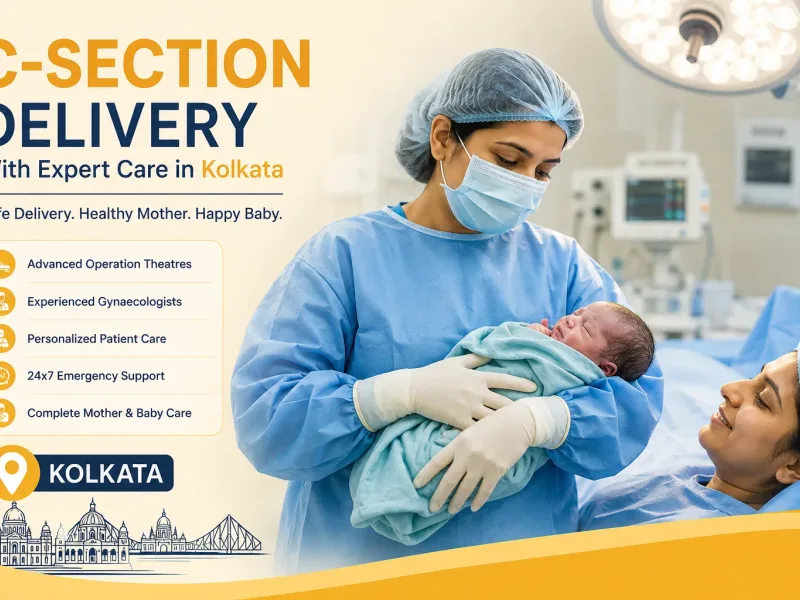
A cesarean section (C-section) is a surgical delivery in which a baby is born through an incision in the mother's abdomen and uterus. In Kolkata, several experienced obstetricians and well-equipped hospitals offer C-section services for planned and emergency deliveries. Understanding when a C-sectio
July 31, 2026
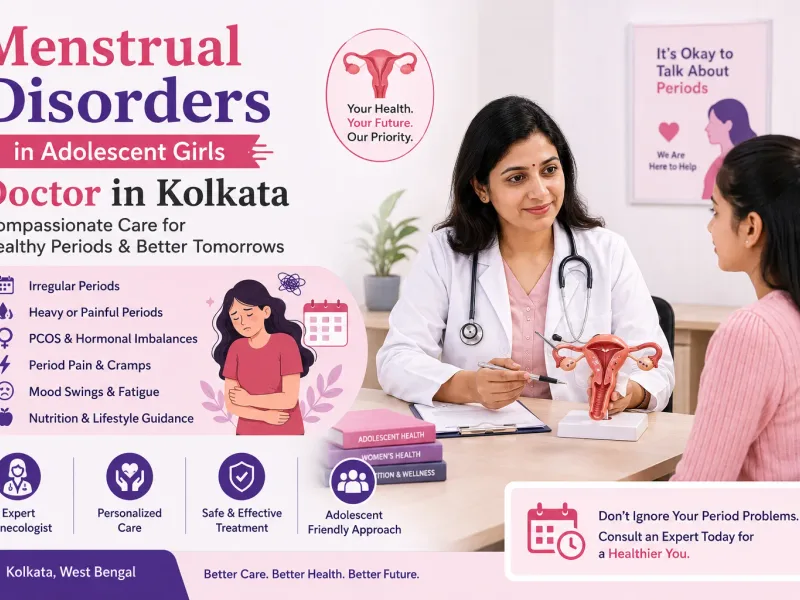
If you are searching for a Menstrual Disorders in Adolescent Girls Doctor in Kolkata, early evaluation by an experienced gynecologist can help identify the underlying cause of irregular or painful periods. While menstrual irregularities are common during the first few years after puberty, persistent
July 31, 2026
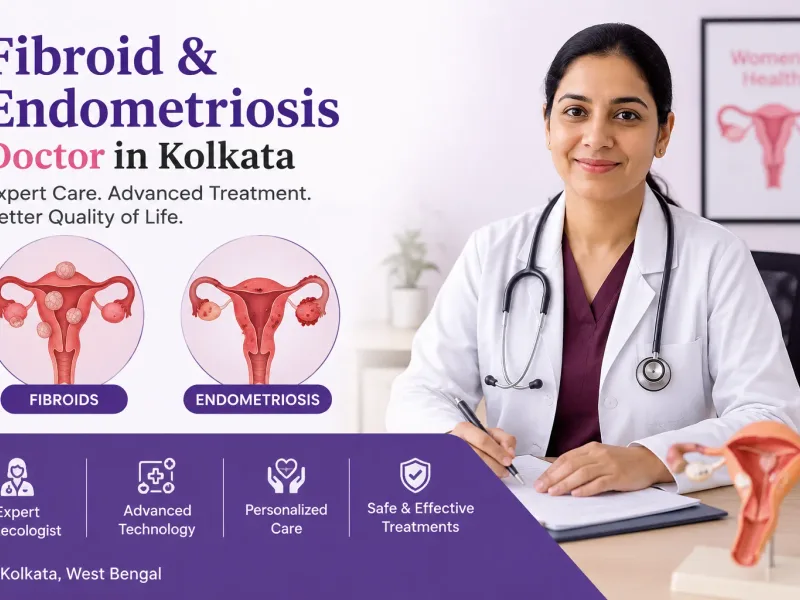
If you are searching for a Fibroid & Endometriosis doctor in Kolkata, choosing an experienced gynecologist with expertise in minimally invasive gynecological surgery is essential. Uterine fibroids and endometriosis are two common but different conditions that can cause pelvic pain, heavy menstrual b
July 31, 2026