

Emergency & Help
24/7 Emergency & General Advisory
🚨 24/7 Medical Emergency
Non-Emergency Advisory
10:00 AM – 6:00 PM, Mon–Sat
For appointments & general queries.
24/7 Emergency & General Advisory
🚨 24/7 Medical Emergency
Non-Emergency Advisory
10:00 AM – 6:00 PM, Mon–Sat
For appointments & general queries.
New mothers often experience acne after childbirth due to hormonal changes. Learn about the causes, safe treatments for breastfeeding moms, and practical tips to manage postpartum breakouts.

Welcoming a new baby is an incredible journey, filled with immense joy and profound changes. Amidst the sleepless nights and endless cuddles, many new mothers notice a common, yet often surprising, skin change: postpartum acne. You might have sailed through pregnancy with clear skin, only to be met with breakouts after delivery. This is completely normal, and you are not alone. This guide aims to demystify postpartum acne, exploring its causes, offering practical management tips, and reassuring you that clear skin is achievable.
Postpartum acne refers to breakouts that occur after childbirth. While many associate acne with adolescence, hormonal fluctuations can trigger skin issues at any life stage, including the postpartum period. After giving birth, your body undergoes significant hormonal shifts as it adjusts back to its pre-pregnancy state. These shifts are the primary culprits behind those bothersome pimples.
The main driver behind postpartum acne is the dramatic fluctuation in hormone levels. During pregnancy, your body produces higher levels of hormones like progesterone. Progesterone plays a vital role in maintaining the pregnancy, but it also influences your skin. It can increase the production of sebum, an oily substance produced by your sebaceous glands. When sebum production is too high, it can mix with dead skin cells and clog pores, leading to acne.
After delivery, your progesterone levels begin to decrease, returning to their pre-pregnancy baseline. For some women, this hormonal recalibration happens smoothly, and their skin clears up quickly. However, for others, it takes longer for hormone levels to normalize, and during this extended adjustment period, acne can persist or even emerge for the first time.
While hormones are the main players, other factors can contribute to or exacerbate postpartum acne:
Postpartum acne can appear anytime from a few days after birth up to several weeks or even months postpartum. The duration varies greatly from woman to woman. For many, it resolves within a few weeks as their hormones stabilize. Others might experience breakouts for several months. Breastfeeding can also play a role, as it can influence hormone levels and potentially prolong the acne phase for some individuals.
While most commonly seen on the face—particularly the forehead, chin, and cheeks—postpartum acne can appear on other parts of the body too. Areas with a higher concentration of sebaceous glands, such as the chest, back, and even the buttocks, can be affected.
Dealing with acne while navigating new motherhood can feel overwhelming. The good news is that there are effective strategies you can adopt. Always consult your doctor or dermatologist before starting any new treatment, especially if you are breastfeeding.
A consistent, gentle skincare routine is your first line of defense:
Many topical treatments are safe to use while breastfeeding. These are often the first recommendation by doctors:
Important Note: If you are treating acne on your chest or back while breastfeeding, be cautious. Avoid applying topical medications directly to these areas where your baby might come into contact with them. Discuss safe application methods with your healthcare provider.
Beyond skincare, lifestyle changes can significantly support your skin health:
While postpartum acne is common, it's wise to seek professional advice in certain situations:
Your doctor or dermatologist can assess your specific situation, recommend prescription treatments, and ensure your acne is managed safely and effectively.
Priya, a new mother, was delighted with her baby boy but dismayed by the sudden appearance of deep, painful pimples on her chin and forehead. She had a clear complexion throughout her pregnancy and was confused by these new breakouts. After trying a gentle cleanser and moisturizer without success for a few weeks, she decided to consult her gynecologist. Her doctor confirmed it was postpartum acne, likely due to hormonal shifts, and recommended a topical salicylic acid treatment that was safe for breastfeeding, along with advice on stress management.
The underlying cause—clogged pores due to excess oil, dead skin cells, and bacteria—is the same. However, postpartum acne is specifically triggered by the hormonal shifts occurring after childbirth, whereas regular acne can have various triggers, including puberty, menstrual cycles, and stress.
Many topical acne treatments that were restricted during pregnancy, such as certain retinoids and benzoyl peroxide, are often considered safe to use while breastfeeding. However, it is crucial to discuss this with your doctor or dermatologist to confirm safety based on your specific situation and the medication's formulation.
For many women, postpartum acne does resolve on its own as hormone levels stabilize. However, the timeline varies, and for some, it can persist for months. If it's causing distress or not improving, seeking treatment is a good option.
While not a substitute for medical advice, some gentle home practices can help. Applying a warm compress can soothe inflamed pimples. Maintaining a clean complexion and avoiding harsh scrubbing are also beneficial. Always be cautious with DIY remedies and patch-test any new ingredient.
Visit Hospital
Near You
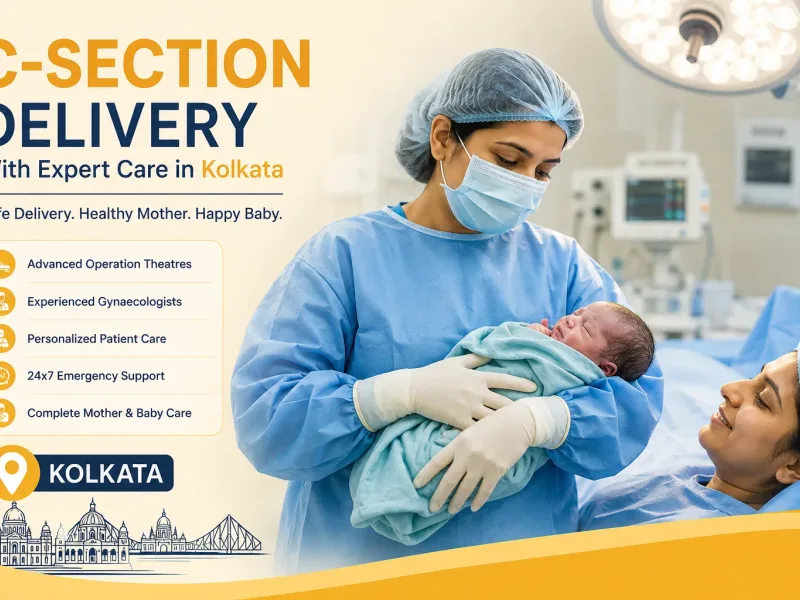
A cesarean section (C-section) is a surgical delivery in which a baby is born through an incision in the mother's abdomen and uterus. In Kolkata, several experienced obstetricians and well-equipped hospitals offer C-section services for planned and emergency deliveries. Understanding when a C-sectio
July 31, 2026
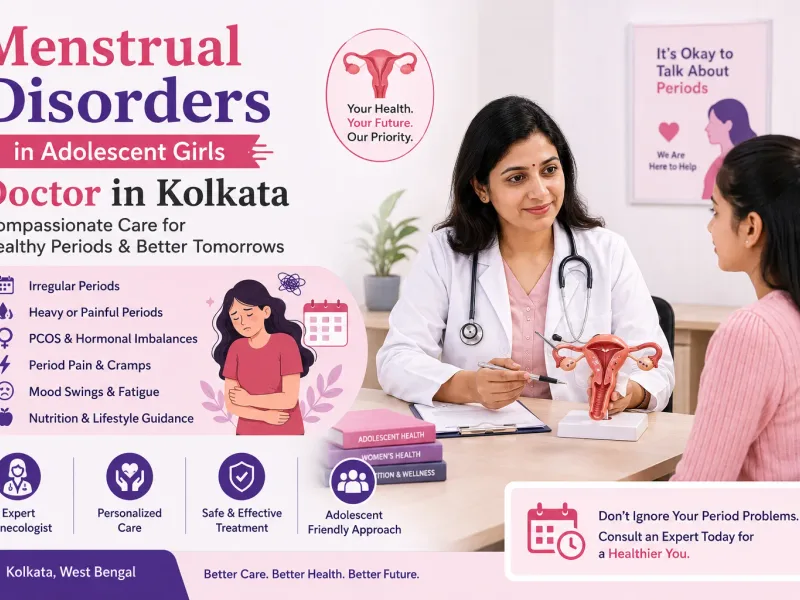
If you are searching for a Menstrual Disorders in Adolescent Girls Doctor in Kolkata, early evaluation by an experienced gynecologist can help identify the underlying cause of irregular or painful periods. While menstrual irregularities are common during the first few years after puberty, persistent
July 31, 2026
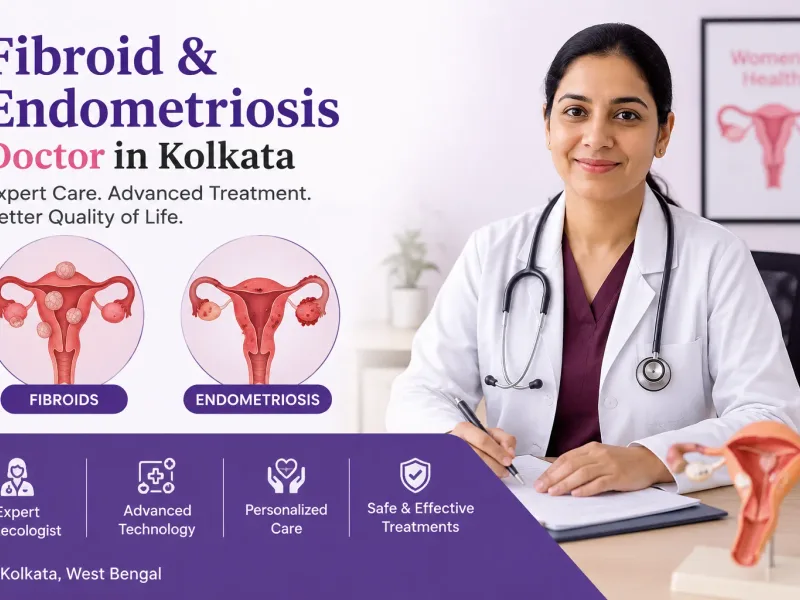
If you are searching for a Fibroid & Endometriosis doctor in Kolkata, choosing an experienced gynecologist with expertise in minimally invasive gynecological surgery is essential. Uterine fibroids and endometriosis are two common but different conditions that can cause pelvic pain, heavy menstrual b
July 31, 2026