

Emergency & Help
24/7 Emergency & General Advisory
🚨 24/7 Medical Emergency
Non-Emergency Advisory
10:00 AM – 6:00 PM, Mon–Sat
For appointments & general queries.
24/7 Emergency & General Advisory
🚨 24/7 Medical Emergency
Non-Emergency Advisory
10:00 AM – 6:00 PM, Mon–Sat
For appointments & general queries.
Learn about breast cancer in women under 40: prevalence, risk factors, symptoms, diagnosis, treatment, and prevention. Understand the unique challenges and importance of early detection.

Breast cancer is a diagnosis that most people associate with older age. However, it can affect women of all ages, including those under 40. While less common in younger women, breast cancer in this age group can sometimes be more aggressive and present unique challenges. This information aims to provide clarity and support for younger women who may be concerned about breast cancer, covering its prevalence, risk factors, signs, diagnosis, treatment, and the importance of early detection.
Breast cancer is the most common cancer diagnosed among women aged 15 to 39 in India and globally. While the majority of breast cancer cases occur in women over 50, a notable percentage affects younger individuals. Statistics from the National Cancer Institute indicate that approximately 24 out of 100,000 women in the 15-39 age bracket receive a breast cancer diagnosis annually. This highlights that while it's not the most frequent cancer in this age group overall, it's the leading cancer diagnosis among young women. Worryingly, estimates suggest that the rates of breast cancer in women under 40 have seen a slight increase since the early 1990s.
Several factors can contribute to an increased risk of developing breast cancer at a younger age. Understanding these can empower women to take proactive steps:
Breast cancer diagnosed in women under 40 often behaves differently compared to that in older women. It tends to be:
Awareness of your breasts is key. While many breast changes are harmless, any new or persistent symptom warrants a check-up. Common signs include:
Scenario: Priya, a 32-year-old marketing professional, noticed a small, painless lump in her left breast while showering. She initially dismissed it, thinking it was hormonal, but after a week, it hadn't disappeared. She decided to consult her gynecologist, who recommended further investigations.
If you experience any concerning symptoms, your doctor will likely recommend a combination of diagnostic tools:
Treatment plans are highly personalized and depend on the cancer's stage, type, and individual health factors. Common treatments include:
Fertility Preservation: A significant concern for young women diagnosed with cancer is the potential impact on fertility. Discussing options like egg freezing or embryo banking with your medical team before starting treatment is vital. Many oncologists now routinely discuss this with patients of reproductive age.
Don't delay seeking medical advice if you notice any of the symptoms mentioned above, especially a new lump or significant changes in your breast. Regular self-exams and prompt consultation with a doctor are your best allies. If you have a strong family history, discuss screening with your doctor even if you have no symptoms.
While not all breast cancers can be prevented, certain lifestyle choices can help reduce your risk:
Many women can still get pregnant after breast cancer treatment. The ability to conceive depends on various factors, including the type and stage of cancer, the treatments received (especially chemotherapy), and your overall health. It's essential to discuss fertility preservation options with your doctor before starting treatment and to consult with your oncologist about the safest time to try for pregnancy after treatment is completed.
Mammograms can be less effective in younger women due to their naturally denser breast tissue, which can obscure tumors. Ultrasound and MRI are often more useful for initial imaging and diagnosis in this age group. However, mammograms may still be recommended, sometimes with specific views, as part of a comprehensive screening strategy, especially if there are specific risk factors.
While breast cancer in younger women is *more likely* to be aggressive and may be diagnosed at later stages, it doesn't *always* mean it's more aggressive. The behavior of breast cancer varies greatly from person to person. Early detection and prompt, appropriate treatment are key to achieving good outcomes, regardless of the cancer's aggressiveness.
Visit Hospital
Near You
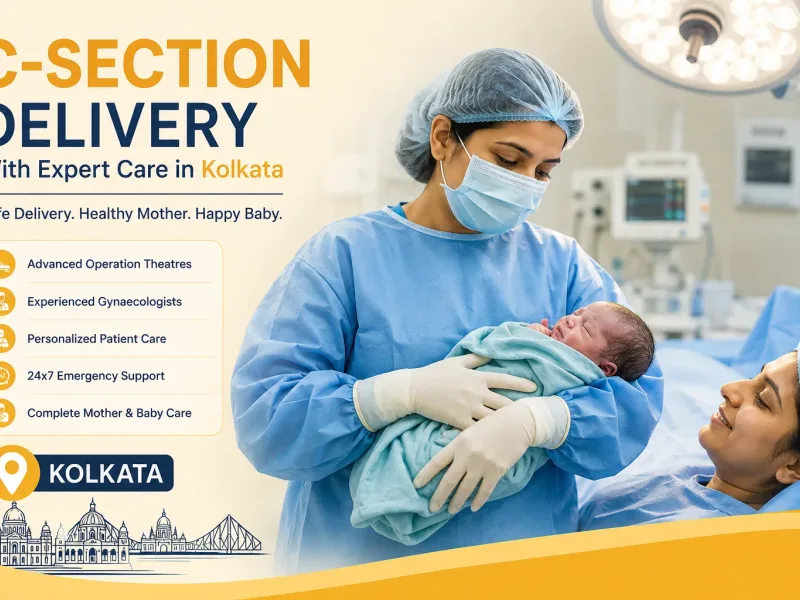
A cesarean section (C-section) is a surgical delivery in which a baby is born through an incision in the mother's abdomen and uterus. In Kolkata, several experienced obstetricians and well-equipped hospitals offer C-section services for planned and emergency deliveries. Understanding when a C-sectio
July 31, 2026
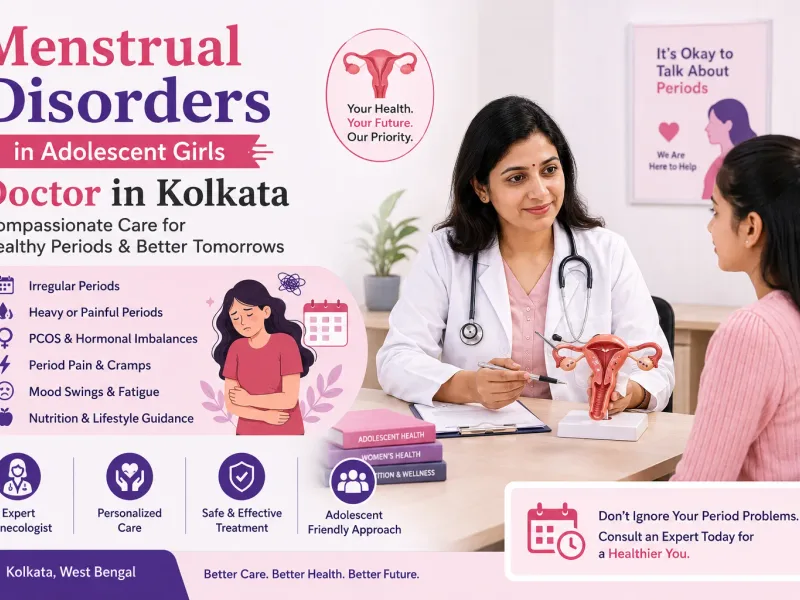
If you are searching for a Menstrual Disorders in Adolescent Girls Doctor in Kolkata, early evaluation by an experienced gynecologist can help identify the underlying cause of irregular or painful periods. While menstrual irregularities are common during the first few years after puberty, persistent
July 31, 2026
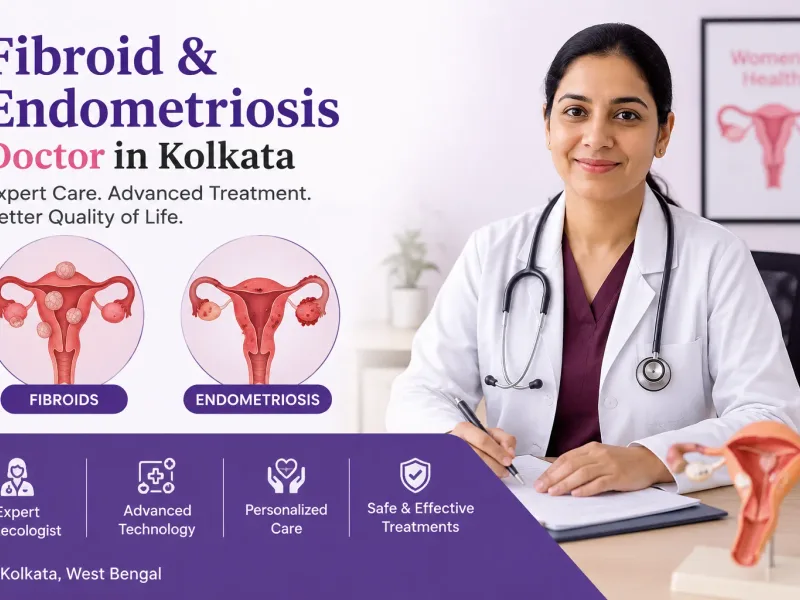
If you are searching for a Fibroid & Endometriosis doctor in Kolkata, choosing an experienced gynecologist with expertise in minimally invasive gynecological surgery is essential. Uterine fibroids and endometriosis are two common but different conditions that can cause pelvic pain, heavy menstrual b
July 31, 2026