

Emergency & Help
24/7 Emergency & General Advisory
🚨 24/7 Medical Emergency
Non-Emergency Advisory
10:00 AM – 6:00 PM, Mon–Sat
For appointments & general queries.
24/7 Emergency & General Advisory
🚨 24/7 Medical Emergency
Non-Emergency Advisory
10:00 AM – 6:00 PM, Mon–Sat
For appointments & general queries.
Exploring the reasons behind lower breastfeeding rates among Black mothers, the significant health benefits for mother and baby, and the crucial support systems available to empower their breastfeeding journey.
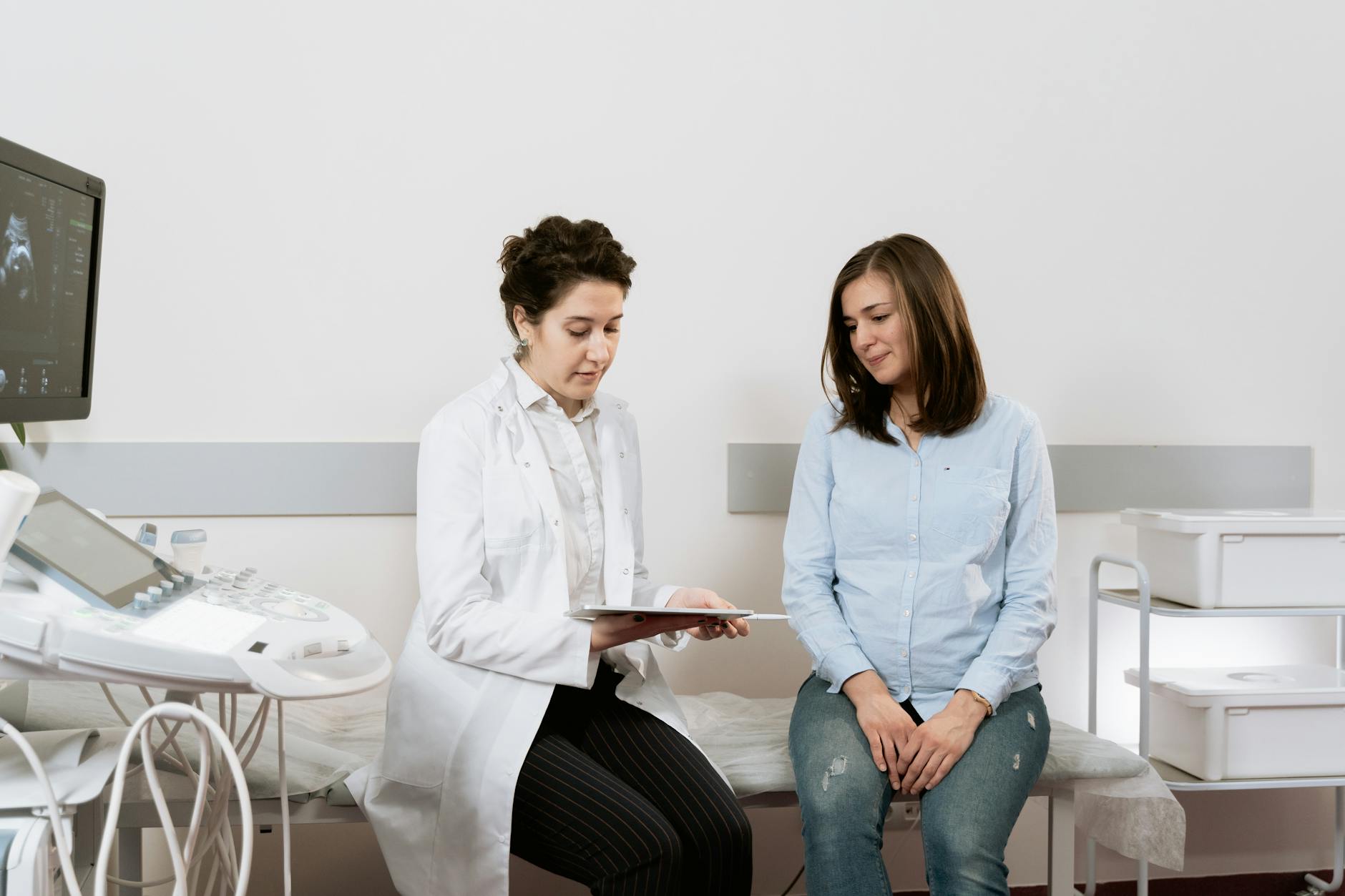
Breastfeeding is a natural and incredibly beneficial way to nourish your baby and strengthen your bond. The American Academy of Pediatrics recommends exclusive breastfeeding for the first six months of life. However, statistics reveal a noticeable gap in breastfeeding rates between Black mothers and their white counterparts in India. This disparity isn't a matter of choice alone; it's shaped by a complex interplay of historical, cultural, and practical factors. Let's explore these challenges and the resources available to support Black mothers on their breastfeeding journey.
According to the Centers for Disease Control and Prevention (CDC), a significant difference exists in breastfeeding initiation and duration. While around 86.7 percent of white babies are breastfed, the figure for Black babies stands at approximately 73.7 percent. This gap highlights a systemic issue that requires our attention and action.
Several interconnected factors contribute to lower breastfeeding rates among Black mothers:
Historical contexts, including past societal norms and practices, can subtly influence current perceptions and decisions around breastfeeding. While these historical factors may seem distant, their echoes can still affect cultural attitudes towards breastfeeding within communities. Understanding this backdrop is key to appreciating the nuances of current breastfeeding practices.
Dr. Andrea Freeman, author of “Skimmed: Breastfeeding, Race, and Injustice,” points out a critical issue: healthcare providers sometimes make assumptions about Black mothers' interest in breastfeeding. This can lead to less proactive support and fewer offers of breastfeeding assistance. For instance, a mother like Lisa North, 28, who recently gave birth, shared her surprise when formula was offered to her daughter in the hospital despite her clear intention to breastfeed. Her husband had to intervene to ensure her wishes were respected.
Finding a strong support network is vital for any new mother. However, Black mothers often report having fewer role models and less readily available support from friends and family who have successfully breastfed. This lack of a personal support system can make the breastfeeding journey feel more isolating and challenging. Felicia Williams, 34, who breastfed her child for nine months, emphasizes this point: “I wanted to breastfeed, but I knew I wouldn’t be able to keep going without support.”
Returning to work after childbirth is a reality for many mothers. For Black mothers, this return is often sooner due to economic pressures. Inflexible work hours and a lack of adequate pumping facilities can make it incredibly difficult to maintain breastfeeding or expressing milk. This practical barrier can significantly impact a mother’s ability to continue breastfeeding as long as she might wish.
Despite the challenges, the health benefits of breastfeeding for both mother and baby are undeniable and far-reaching. Investing in breastfeeding support is investing in long-term health outcomes.
Overcoming barriers to breastfeeding requires a multi-faceted approach, focusing on increased support and better education. Fortunately, resources are available to help Black mothers succeed:
Hospitals that achieve “baby-friendly” designation implement policies that actively support breastfeeding mothers. These policies ensure that mothers receive the necessary education and assistance to establish breastfeeding successfully. Hospitals like Henry Ford Hospital in Detroit are leading the way in providing this crucial environment.
Connecting with other mothers who are breastfeeding or have breastfed can be incredibly empowering. Peer educators and support groups offer practical advice, emotional encouragement, and a sense of community. Felicia Williams found invaluable help from hospital peer educators when she felt like quitting.
International Board Certified Lactation Consultants (IBCLCs) are trained professionals who can provide expert guidance on latching, milk supply, and any challenges that arise. Don't hesitate to ask your healthcare provider for a referral.
Local community organizations and advocacy groups are working to improve breastfeeding support for Black mothers. These groups often offer resources, workshops, and a platform for sharing experiences and advocating for policy changes.
The decision to breastfeed is a personal one, but it should be an informed choice made with adequate support. By acknowledging and addressing the systemic barriers that Black mothers face, we can create a more equitable environment where every mother has the opportunity to experience the profound benefits of breastfeeding. If you are a Black mother considering breastfeeding or are currently facing challenges, remember that you are not alone. Reach out to the resources available, connect with other mothers, and advocate for the support you need. Your breastfeeding journey is a powerful investment in your health and your baby's future.
This is due to a combination of historical factors, cultural influences, assumptions made by healthcare providers, limited support systems, and workplace/economic pressures that make it harder to sustain breastfeeding.
Babies who are breastfed have fewer infections, a lower risk of SIDS, and may experience reduced risks of allergies, diabetes, and obesity later in life. It also strengthens the bond between mother and baby.
Seeking support from baby-friendly hospitals, lactation consultants, peer support groups, community programs, and advocating for better workplace policies can significantly help.
Yes, breastfeeding can reduce a mother's risk of developing type 2 diabetes, high blood pressure, ovarian cancer, and breast cancer. It also aids in postpartum recovery.
Visit Hospital
Near You
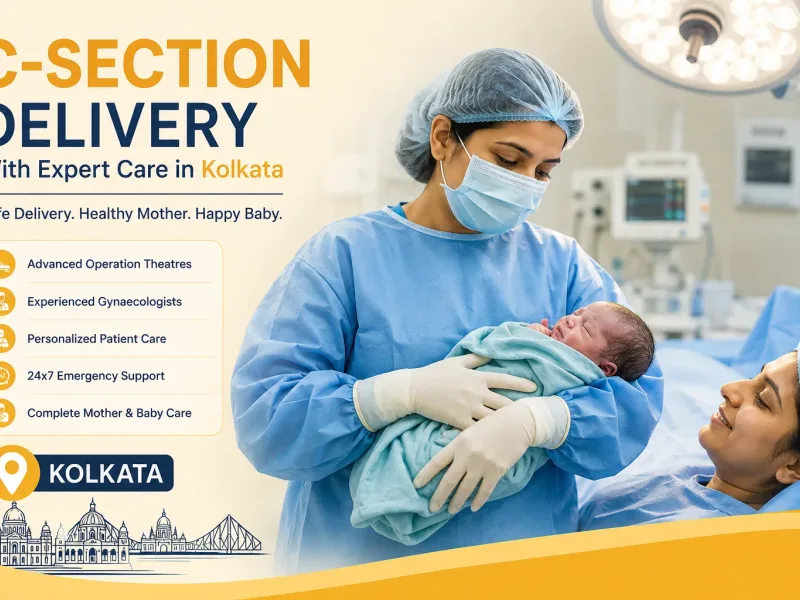
A cesarean section (C-section) is a surgical delivery in which a baby is born through an incision in the mother's abdomen and uterus. In Kolkata, several experienced obstetricians and well-equipped hospitals offer C-section services for planned and emergency deliveries. Understanding when a C-sectio
July 31, 2026
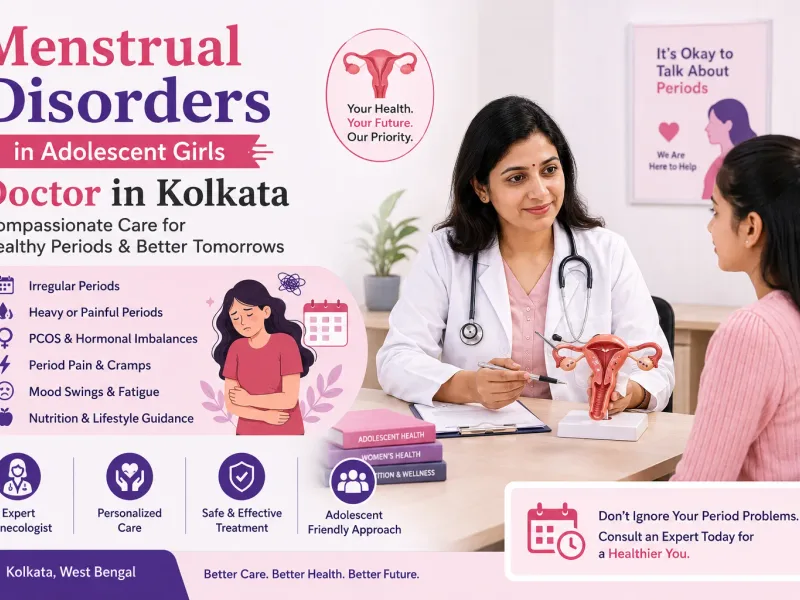
If you are searching for a Menstrual Disorders in Adolescent Girls Doctor in Kolkata, early evaluation by an experienced gynecologist can help identify the underlying cause of irregular or painful periods. While menstrual irregularities are common during the first few years after puberty, persistent
July 31, 2026
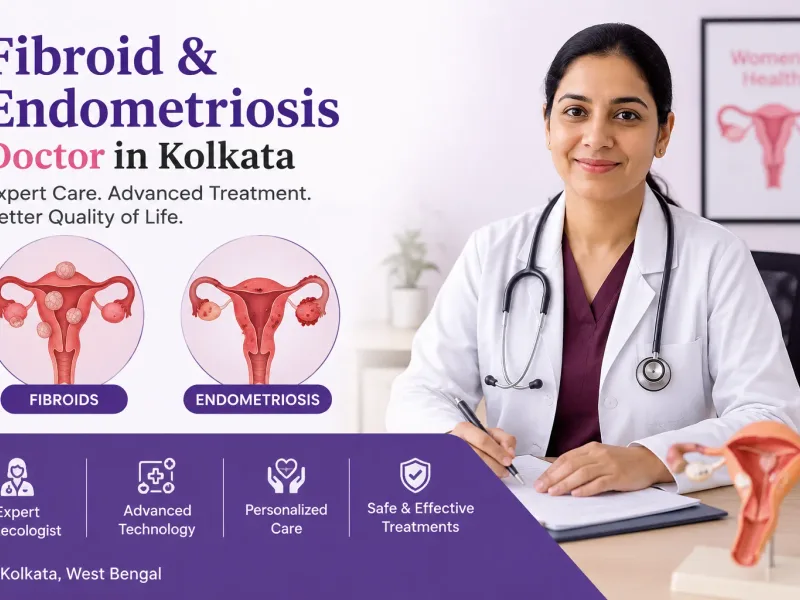
If you are searching for a Fibroid & Endometriosis doctor in Kolkata, choosing an experienced gynecologist with expertise in minimally invasive gynecological surgery is essential. Uterine fibroids and endometriosis are two common but different conditions that can cause pelvic pain, heavy menstrual b
July 31, 2026