

Emergency & Help
24/7 Emergency & General Advisory
🚨 24/7 Medical Emergency
Non-Emergency Advisory
10:00 AM – 6:00 PM, Mon–Sat
For appointments & general queries.
24/7 Emergency & General Advisory
🚨 24/7 Medical Emergency
Non-Emergency Advisory
10:00 AM – 6:00 PM, Mon–Sat
For appointments & general queries.
Discover the common causes of light periods, including stress, weight changes, hormonal birth control, and perimenopause. Learn when to consult a doctor and how to manage your menstrual health.

A menstrual period that's lighter than usual, often referred to as a light period or spotting, is a common experience for many women. While it can sometimes be a cause for concern, it's important to understand that a lighter flow doesn't always indicate a serious health issue. This guide will delve into the various reasons why your period might be lighter than normal, what symptoms to watch out for, and when it's advisable to consult a healthcare professional.
Several factors can contribute to a lighter menstrual flow. These can range from lifestyle changes to underlying medical conditions. Here are some of the most frequent causes:
High levels of stress can significantly impact your menstrual cycle. When you're stressed, your body releases cortisol, a hormone that can disrupt the balance of other hormones, including those that regulate menstruation. This disruption can lead to lighter periods, missed periods, or even irregular cycles.
Significant changes in body weight, whether it's rapid weight loss or gain, can affect your hormones and ovulation, consequently influencing your period's flow. Extremely low body fat can interfere with hormone production necessary for a regular cycle.
Many forms of hormonal birth control, such as birth control pills, patches, injections, and hormonal IUDs, work by thinning the uterine lining. This reduced lining means there's less blood to shed, resulting in lighter periods or even no period at all (amenorrhea) for some users.
As women approach menopause, their bodies undergo hormonal changes. Perimenopause, the transition phase leading up to menopause, can cause irregular periods, including lighter or heavier flows, shorter or longer cycles, and skipped periods.
Light bleeding or spotting can sometimes be an early sign of pregnancy, known as implantation bleeding. This occurs when a fertilized egg attaches to the uterine wall. It's typically light, pinkish or brownish, and lasts for a short duration.
Sudden illness or engaging in strenuous physical activity can temporarily disrupt your hormonal balance and lead to a lighter period. Your body might be prioritizing recovery or adapting to increased physical demands.
While less common, certain medical conditions can contribute to light periods. These include:
While a light period is often normal, there are certain situations where you should seek medical attention:
If your period suddenly becomes significantly lighter than your usual flow, especially if it's accompanied by other unusual symptoms, it's worth discussing with your doctor.
If your periods become consistently irregular, you start missing periods, or your cycle length changes drastically, it could indicate an underlying issue.
If you suspect you might be pregnant, a light period could be implantation bleeding. Taking a pregnancy test and consulting your doctor is recommended.
Watch out for other symptoms such as:
If you consult a doctor about light periods, they will likely:
The treatment for a light period depends entirely on the underlying cause:
While not all causes of light periods can be prevented, maintaining a healthy lifestyle can help regulate your menstrual cycle:
It's always a good idea to consult a healthcare professional if you have concerns about your menstrual cycle. Specifically, seek medical advice if:
Understanding your body and its cycles is crucial for maintaining overall health. A lighter period is often a normal variation, but paying attention to changes and seeking professional guidance when needed ensures you stay informed and healthy.
This section adds practical context and preventive advice to help readers make informed healthcare decisions. It is important to verify symptoms early, consult qualified doctors, and avoid self-medication for persistent health issues.
Maintaining healthy routines, following prescribed treatment plans, and attending regular checkups can improve outcomes. If symptoms worsen or red-flag signs appear, immediate medical evaluation is recommended.
Track symptoms and duration.
Follow diagnosis and treatment from a licensed practitioner.
Review medication side effects with your doctor.
Seek urgent care for severe warning signs.
Visit Hospital
Near You

A cesarean section (C-section) is a surgical delivery in which a baby is born through an incision in the mother's abdomen and uterus. In Kolkata, several experienced obstetricians and well-equipped hospitals offer C-section services for planned and emergency deliveries. Understanding when a C-sectio
July 31, 2026
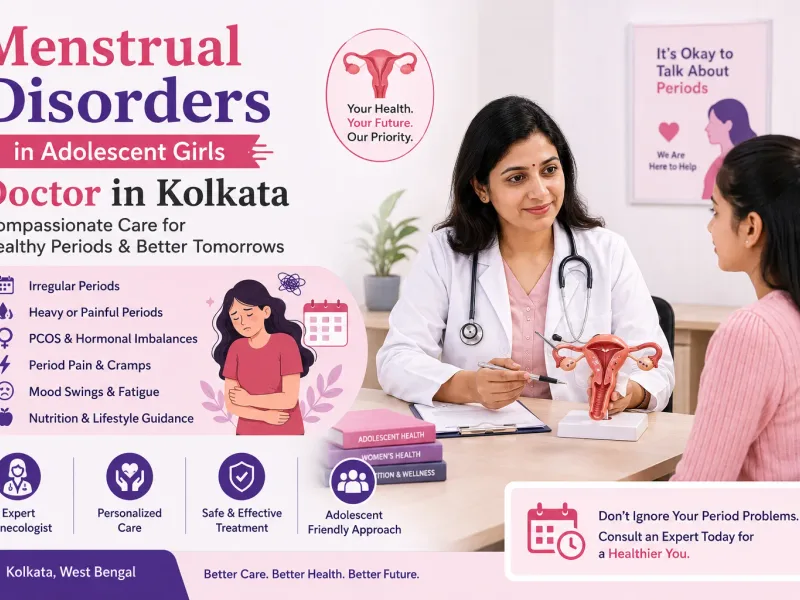
If you are searching for a Menstrual Disorders in Adolescent Girls Doctor in Kolkata, early evaluation by an experienced gynecologist can help identify the underlying cause of irregular or painful periods. While menstrual irregularities are common during the first few years after puberty, persistent
July 31, 2026
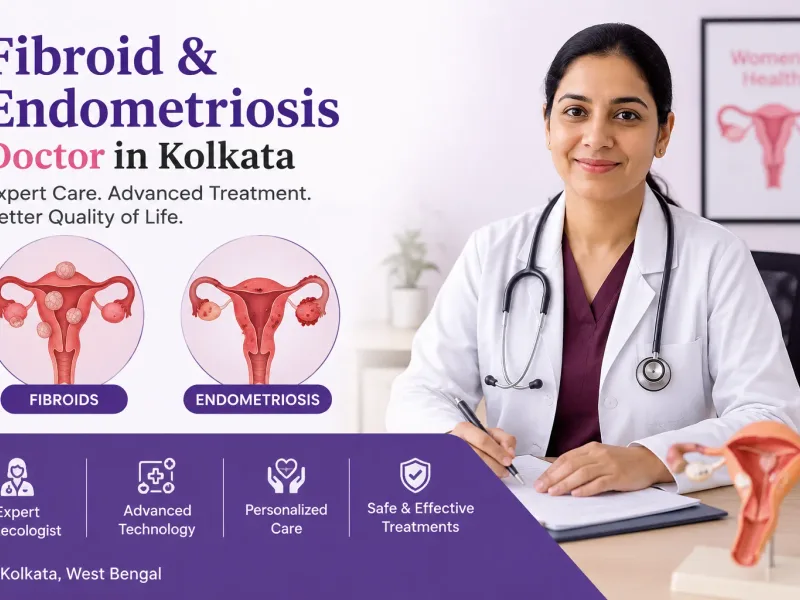
If you are searching for a Fibroid & Endometriosis doctor in Kolkata, choosing an experienced gynecologist with expertise in minimally invasive gynecological surgery is essential. Uterine fibroids and endometriosis are two common but different conditions that can cause pelvic pain, heavy menstrual b
July 31, 2026