

Emergency & Help
24/7 Emergency & General Advisory
🚨 24/7 Medical Emergency
Non-Emergency Advisory
10:00 AM – 6:00 PM, Mon–Sat
For appointments & general queries.
24/7 Emergency & General Advisory
🚨 24/7 Medical Emergency
Non-Emergency Advisory
10:00 AM – 6:00 PM, Mon–Sat
For appointments & general queries.
Learn about the signs, symptoms, causes, and emotional impact of miscarriage. Understand what to expect and when to seek medical help during this difficult time.

Experiencing a miscarriage is one of the most heart-wrenching events a woman can go through. It's a deeply personal loss, often accompanied by intense physical and emotional pain. If you are going through this or suspect you might be, please know you are not alone. Statistics suggest that about 15-20% of recognized pregnancies end in miscarriage, and this number rises if very early losses are included. Most miscarriages happen in the first 13 weeks of pregnancy and are typically not caused by anything you or your partner did. This article aims to provide clear, practical information about what a miscarriage can feel like, its causes, and what steps to take, offering comfort and guidance during a difficult time.
A miscarriage, also known as spontaneous abortion, is the loss of a pregnancy before the 20th week of gestation. Pregnancy loss after 20 weeks is termed stillbirth. It's a sudden and often unexpected end to a pregnancy that many women have been eagerly anticipating and planning for. The emotional toll can be profound, and understanding the physical experiences can help in processing the event.
The physical experience of a miscarriage can vary significantly from woman to woman. Some may experience mild symptoms, while others might have more intense sensations. It's important to remember that every woman and every pregnancy is unique.
Miscarriages most commonly occur in the first trimester (up to 13 weeks). Symptoms you might experience include:
A Real-Life Scenario: Priya noticed her morning sickness had completely disappeared overnight. The next day, she started experiencing mild cramping and a slight spotting of brown blood, which worried her because her pregnancy had been symptom-free until then.
While less common, miscarriages can also occur in the second trimester (between 14 and 19 weeks). Symptoms might be more pronounced:
It's important to understand that a pregnancy loss after 20 weeks is not called a miscarriage but a stillbirth. The medical management and emotional impact can differ.
A particularly difficult type of miscarriage is a missed miscarriage (also known as a missed abortion or silent miscarriage). This occurs when the fetus has stopped developing or has died, but the body has not yet expelled the pregnancy tissue. There may be no obvious symptoms like bleeding or cramping. Often, it's discovered during a routine prenatal check-up when a heartbeat cannot be found or an ultrasound reveals the fetus has not grown.
The physical and emotional recovery from a missed miscarriage depends on the management chosen, such as a D&C (dilation and curettage) or medication to induce the miscarriage.
A chemical pregnancy is a very early miscarriage that happens shortly after conception, often around the time of your expected period. It occurs when a fertilized egg implants in the uterus but fails to continue growing. Many women may not even realize they were pregnant, experiencing only a slightly heavier or later period. This type of loss is incredibly common and usually goes unnoticed.
Understanding the causes can help alleviate feelings of guilt. In most cases, miscarriages are not preventable and are due to factors beyond anyone's control.
It's vital to remember that lifestyle factors like moderate exercise, a healthy diet, and avoiding smoking or excessive alcohol are generally recommended for a healthy pregnancy, but they rarely cause a miscarriage on their own.
If you suspect you are having a miscarriage, contacting your healthcare provider immediately is essential. They can perform tests to confirm the diagnosis and assess your health.
Treatment depends on the stage of pregnancy, the amount of bleeding, and your overall health. Your doctor will discuss the best options for you.
A miscarriage is a significant loss, and grieving is a natural and necessary process. Allow yourself time and space to mourn. Here are some ways to cope:
While it's always best to contact your doctor if you suspect a miscarriage, seek immediate medical attention if you experience any of the following:
These symptoms could indicate complications such as infection or heavy bleeding that require urgent care.
Yes, absolutely. Most women can conceive again after a miscarriage. Your doctor will advise you on when it is safe to try for another pregnancy, typically after one to three normal menstrual cycles.
For most women, a single miscarriage does not increase the risk of future pregnancy complications. Recurrent miscarriages (three or more in a row) may warrant further investigation by a specialist.
Yes, this is known as a missed miscarriage. In this situation, the pregnancy has ended, but the body has not expelled the tissue, and there might be no outward symptoms.
While extreme emotional stress is not considered a direct cause of miscarriage, managing stress is important for overall well-being during pregnancy. The vast majority of miscarriages are due to chromosomal issues.
A miscarriage is the loss of a pregnancy within the uterus. An ectopic pregnancy occurs when a fertilized egg implants outside the uterus, most commonly in a fallopian tube. Ectopic pregnancies are medical emergencies and cannot result in a viable baby.
Visit Hospital
Near You

A cesarean section (C-section) is a surgical delivery in which a baby is born through an incision in the mother's abdomen and uterus. In Kolkata, several experienced obstetricians and well-equipped hospitals offer C-section services for planned and emergency deliveries. Understanding when a C-sectio
July 31, 2026
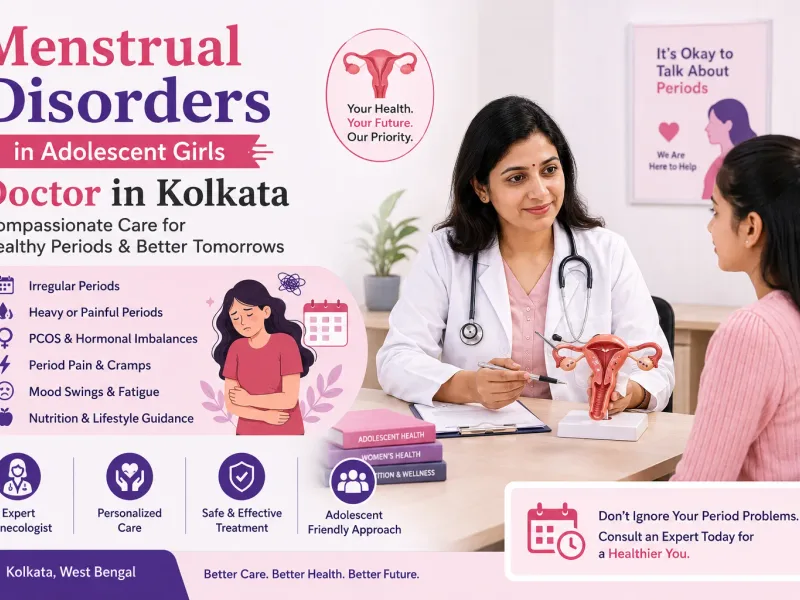
If you are searching for a Menstrual Disorders in Adolescent Girls Doctor in Kolkata, early evaluation by an experienced gynecologist can help identify the underlying cause of irregular or painful periods. While menstrual irregularities are common during the first few years after puberty, persistent
July 31, 2026

If you are searching for a Fibroid & Endometriosis doctor in Kolkata, choosing an experienced gynecologist with expertise in minimally invasive gynecological surgery is essential. Uterine fibroids and endometriosis are two common but different conditions that can cause pelvic pain, heavy menstrual b
July 31, 2026