

Emergency & Help
24/7 Emergency & General Advisory
🚨 24/7 Medical Emergency
Non-Emergency Advisory
10:00 AM – 6:00 PM, Mon–Sat
For appointments & general queries.
24/7 Emergency & General Advisory
🚨 24/7 Medical Emergency
Non-Emergency Advisory
10:00 AM – 6:00 PM, Mon–Sat
For appointments & general queries.
Understand ovarian cyst pain, from dull aches to sharp pains. Learn about symptoms, causes, diagnosis, treatment, and when to seek urgent medical care.

Ovarian cysts are fluid-filled sacs that can develop on or within your ovaries. Most of the time, these cysts form naturally during your menstrual cycle as part of ovulation. The good news is that many of these cysts are harmless and disappear on their own without any medical intervention. However, sometimes these cysts can grow larger, rupture, or cause the ovary to twist, leading to discomfort and pain. This pain can range from a mild ache to a sharp, sudden sensation, and understanding these nuances is key to knowing when to seek medical help.
The sensation of pain from an ovarian cyst can vary greatly from person to person and even from cyst to cyst. It's not a one-size-fits-all experience. Here’s a breakdown of what you might feel:
One of the most common descriptions of ovarian cyst pain is a dull ache or cramping sensation. This discomfort is typically felt in one or both sides of your lower abdomen. Imagine a persistent, low-grade discomfort that’s always there, rather than a sharp jab. This feeling might be constant or come and go throughout the day.
Larger cysts can press on surrounding organs, leading to a feeling of pressure or fullness in your pelvic area. This can feel similar to how your abdomen might feel after a very large meal, but it’s persistent and unrelated to eating. You might feel a general sense of heaviness.
It’s not uncommon for the pain from an ovarian cyst to travel. You might experience pain in your lower abdomen that seems to spread to your lower back. This can sometimes be mistaken for general back pain, but if it’s accompanied by other pelvic symptoms, it’s worth considering an ovarian cause.
Some women report that ovarian cysts can make sexual intercourse uncomfortable or painful. This is particularly true if the cyst is located in a position that is easily irritated. Additionally, you might notice that your menstrual cramps feel more severe than usual if you have an ovarian cyst present.
While a dull ache is common, a sharp, sudden pain on one side of your abdomen is a more urgent symptom. This type of pain can indicate that the cyst has ruptured (burst) or that your ovary has twisted (ovarian torsion). These situations require immediate medical attention.
Most ovarian cysts are benign and resolve on their own. However, in some instances, they can be linked to underlying medical conditions that require professional care. These can include:
These conditions can affect fertility and require a doctor's diagnosis and treatment plan. If your doctor suspects one of these conditions, they might order specific tests.
If you're experiencing pelvic pain, your doctor will want to investigate the cause. The diagnostic process typically involves several steps:
Your healthcare provider will start with a physical examination, including a pelvic exam. This allows them to feel for any swelling or abnormalities in your ovaries and surrounding pelvic organs.
A pelvic ultrasound is a common and effective tool for visualizing ovarian cysts. It uses sound waves to create images of your ovaries, allowing the doctor to determine the cyst's size, shape, location, and whether it appears to be fluid-filled or solid.
Depending on your symptoms and medical history, your doctor may order blood tests. These can help:
If there's a concern that a cyst might be cancerous, your doctor may recommend a biopsy. This involves taking a small sample of the tissue for examination under a microscope to determine its nature.
The approach to managing ovarian cyst pain depends largely on the severity of your symptoms and the type of cyst.
For many women with mild symptoms and small cysts, especially those likely related to the menstrual cycle, doctors often recommend a "wait and see" approach. The cyst may resolve on its own over a few cycles. Over-the-counter pain relievers like ibuprofen or paracetamol can help manage any discomfort during this period.
If over-the-counter options aren't enough, your doctor might prescribe stronger pain relievers. For cysts related to hormonal imbalances or conditions like endometriosis, hormonal treatments, such as birth control pills, might be recommended to help prevent the formation of new cysts by regulating ovulation.
Surgery to remove the cyst may be recommended in certain situations:
Surgery can often be performed using minimally invasive techniques like laparoscopy, where small incisions are made, leading to quicker recovery times.
While most ovarian cysts are not emergencies, some situations demand urgent medical attention. You should seek immediate help if you experience any of the following:
Sudden, severe pain in your lower abdomen is a red flag. This could indicate a serious issue like a ruptured cyst or ovarian torsion.
If your pain is accompanied by fever, nausea, or vomiting, it could signal an infection or a more complicated cyst issue that requires prompt evaluation.
Ovarian torsion occurs when the ovary twists on its supporting ligaments, cutting off blood supply. Symptoms can include sudden, severe pelvic pain, often with nausea and vomiting. This is a medical emergency that can lead to the loss of the ovary if not treated quickly.
While ovarian cysts are most common in women of reproductive age, they can occur after menopause. Any new pelvic pain, pressure, or abnormal bleeding in postmenopausal women should be evaluated by a doctor promptly, as it can sometimes be associated with more serious conditions.
While you can't always prevent ovarian cysts, especially functional ones related to ovulation, certain lifestyle choices and medical interventions might help reduce your risk, particularly for certain types of cysts or related conditions:
Priya, a 32-year-old homemaker, recently started experiencing a persistent dull ache on her right side, just above her hip bone. It wasn't severe, but it made sitting for long periods uncomfortable. She also noticed a feeling of fullness in her lower abdomen. Initially, she thought it was just muscle strain from household chores, but the ache didn't improve. After a week, she decided to consult her gynecologist, who recommended an ultrasound, which revealed a small ovarian cyst. Her doctor advised watchful waiting and pain relief with over-the-counter medication, assuring her that most such cysts resolve on their own.
Yes, while pain is often localized to one side (where the cyst is located), it's possible to experience discomfort on both sides, or the pain might feel generalized in the lower abdomen and back.
No, absolutely not. The vast majority of ovarian cysts are benign and unrelated to cancer. Pain is usually caused by the cyst's size, rupture, or twisting, not by malignancy. However, any persistent or severe pain should be evaluated by a doctor.
The duration of pain can vary. If the cyst is functional and resolves on its own, the pain might last for a few days to a few weeks. If it's related to a condition like endometriosis, the pain might be chronic and cyclical with your period. Sharp, sudden pain indicating rupture or torsion requires immediate medical attention.
For mild to moderate pain, you can usually continue most daily activities, perhaps with some modifications. However, if the pain is severe, sharp, or accompanied by other concerning symptoms like fever or nausea, you should rest and seek medical advice promptly. Avoid strenuous activities if they worsen the pain.
Visit Hospital
Near You

A cesarean section (C-section) is a surgical delivery in which a baby is born through an incision in the mother's abdomen and uterus. In Kolkata, several experienced obstetricians and well-equipped hospitals offer C-section services for planned and emergency deliveries. Understanding when a C-sectio
July 31, 2026
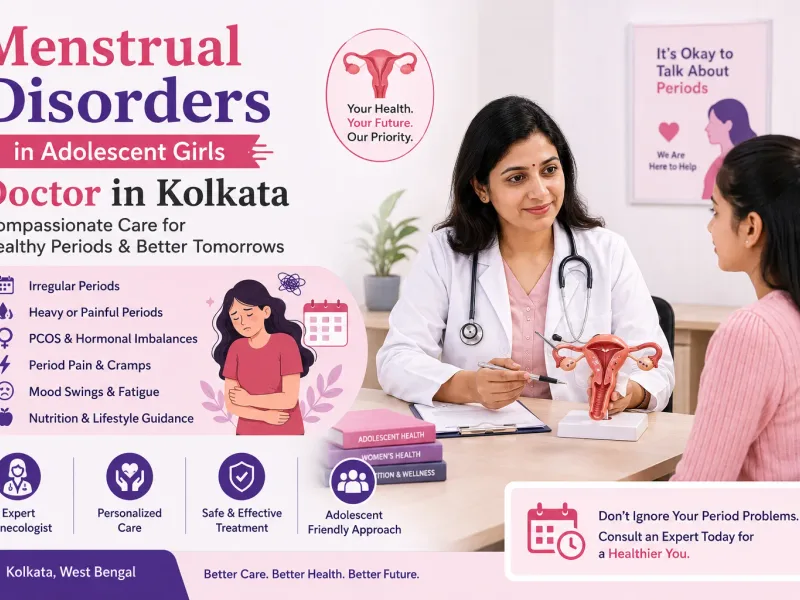
If you are searching for a Menstrual Disorders in Adolescent Girls Doctor in Kolkata, early evaluation by an experienced gynecologist can help identify the underlying cause of irregular or painful periods. While menstrual irregularities are common during the first few years after puberty, persistent
July 31, 2026
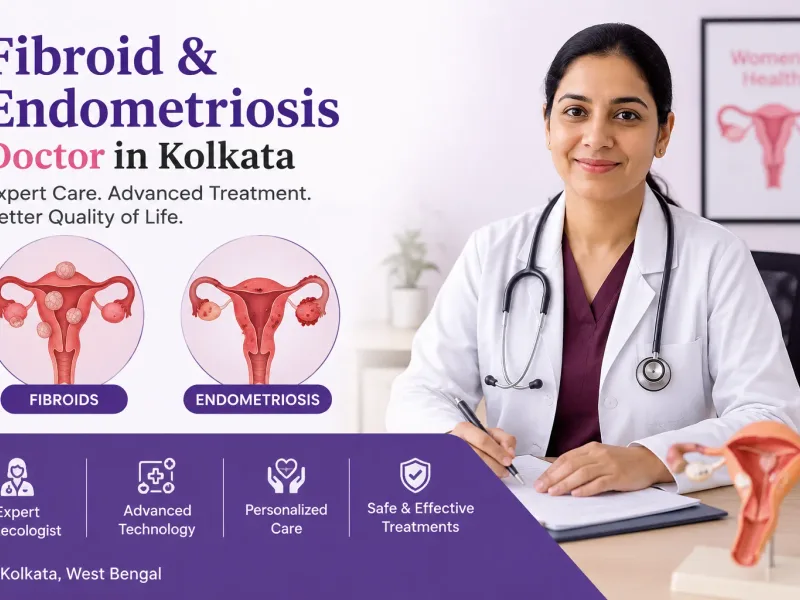
If you are searching for a Fibroid & Endometriosis doctor in Kolkata, choosing an experienced gynecologist with expertise in minimally invasive gynecological surgery is essential. Uterine fibroids and endometriosis are two common but different conditions that can cause pelvic pain, heavy menstrual b
July 31, 2026