

Emergency & Help
24/7 Emergency & General Advisory
🚨 24/7 Medical Emergency
Non-Emergency Advisory
10:00 AM – 6:00 PM, Mon–Sat
For appointments & general queries.
24/7 Emergency & General Advisory
🚨 24/7 Medical Emergency
Non-Emergency Advisory
10:00 AM – 6:00 PM, Mon–Sat
For appointments & general queries.
Discover the often-overlooked Postmenstrual Syndrome (PMS). Learn about its symptoms, potential causes like hormonal imbalances, and effective management strategies including diet, lifestyle, and when to seek medical advice.

Most of us are familiar with Premenstrual Syndrome (PMS), those familiar symptoms that creep in before our periods. But what about the period after the period? Enter Postmenstrual Syndrome (PMS), a less-discussed but equally real experience for many. While PMS symptoms arrive before menstruation, Postmenstrual Syndrome symptoms emerge once the bleeding has stopped. These can range from physical discomforts like headaches to emotional turmoil such as anxiety and irritability. It's a phenomenon that, while not yet a formal medical diagnosis, is being increasingly recognized and discussed. Let's unpack what we know about this post-period phase. What Exactly is Postmenstrual Syndrome? Simply put, Postmenstrual Syndrome refers to a cluster of symptoms that manifest after your menstrual period has concluded. Unlike PMS, which is characterized by symptoms occurring before menstruation, Postmenstrual Syndrome symptoms appear after the bleeding stops, potentially lasting for a week or even up to two weeks in some cases. While there isn't a formal medical term for these post-period symptoms, the term 'Postmenstrual Syndrome' has emerged as a way for individuals to describe and understand their experiences, largely based on anecdotal evidence and observations from healthcare practitioners. Is it Just PMS in Disguise? It's a common question, and the answer is no. While there can be some overlap in symptoms between PMS and Postmenstrual Syndrome, the timing is the key differentiator. PMS symptoms typically begin one to two weeks before your period starts and resolve once menstruation begins. Postmenstrual Syndrome symptoms, however, specifically occur after your period has ended. Furthermore, some anecdotal reports suggest that the psychological symptoms associated with Postmenstrual Syndrome might be more intense than those experienced during PMS. Why Haven't We Heard About This Before? The relative obscurity of Postmenstrual Syndrome can be attributed to several factors. Primarily, it is not yet recognized as a formal medical diagnosis in conventional medicine. This means there's a significant lack of extensive scientific research dedicated to understanding its causes, prevalence, and effective treatments. The term 'Postmenstrual Syndrome' has gained traction organically, driven by individuals seeking language to articulate their post-period experiences. This grassroots recognition highlights a gap in our understanding of the menstrual cycle and its post-menstrual phase. The medical community is slowly beginning to acknowledge these experiences, but more research is needed to establish clear diagnostic criteria and treatment protocols. Potential Causes of Postmenstrual Syndrome While research is ongoing, several theories attempt to explain the potential causes of Postmenstrual Syndrome. The prevailing hypothesis points towards hormonal fluctuations as a primary driver. Hormonal Imbalances One leading theory suggests that Postmenstrual Syndrome might be linked to a surge in hormones such as estrogen and testosterone. This is in contrast to PMS, where a drop in progesterone is often implicated. Dr. Soma Mandal, a board-certified internist and women's health specialist, explains that this hormonal surge is thought to occur during anovulatory cycles, which are cycles where ovulation does not take place. Conditions that affect ovulation and hormonal balance, such as Polycystic Ovary Syndrome (PCOS) or insulin resistance, may therefore contribute to the development of Postmenstrual Syndrome symptoms. The Role of Insulin Insulin plays a critical role in regulating various hormones, including estrogen, progesterone, and testosterone. Consequently, issues with insulin regulation, such as insulin resistance, can disrupt the delicate hormonal balance, potentially leading to Postmenstrual Syndrome symptoms. Understanding and managing insulin levels is therefore an important aspect of addressing this condition. Dietary Factors Diet is another factor believed to influence hormonal balance and overall well-being. A diet high in sugar and processed foods can lead to fluctuations in blood sugar levels, which in turn can impact hormone function. Conversely, a balanced diet rich in whole foods, fiber, and essential nutrients can support hormonal equilibrium. Magnesium Deficiency Emerging research suggests a link between low magnesium intake and mood disturbances, including depression, particularly in individuals under 65. Studies have indicated that magnesium supplementation can be effective in managing mild to moderate depression, hinting at its potential role in alleviating some of the emotional symptoms associated with Postmenstrual Syndrome. Common Symptoms of Postmenstrual Syndrome The symptoms of Postmenstrual Syndrome can vary widely from person to person, but they often include a combination of physical and emotional complaints that arise after menstruation has ended. Physical Symptoms: Headaches or migraines Fatigue and low energy levels Bloating and digestive issues Breast tenderness Muscle aches and joint pain Changes in appetite Emotional and Mental Symptoms: Mood swings Irritability and short temper Anxiety and feelings of unease Sadness or feelings of depression Difficulty concentrating Sleep disturbances, such as insomnia or excessive sleepiness It's important to remember that experiencing some of these symptoms occasionally is normal. However, if they are persistent, severe, and interfere with your daily life, they may indicate Postmenstrual Syndrome. Diagnosis and When to Seek Medical Advice Given that Postmenstrual Syndrome is not a formal medical diagnosis, there are no specific diagnostic tests. Diagnosis is typically based on a thorough medical history, a discussion of your symptoms and their timing, and ruling out other potential medical conditions that could be causing similar issues. Your doctor might ask detailed questions about your menstrual cycle, lifestyle, diet, and any other health concerns you may have. When to Consult a Doctor: If your symptoms are severe and significantly impact your quality of life. If you experience symptoms that are new or different from your usual menstrual cycle patterns. If you suspect an underlying condition like PCOS or insulin resistance. If symptoms persist for longer than two weeks after your period ends. If you are experiencing significant mood disturbances, such as persistent sadness or anxiety. Your doctor can help differentiate between normal post-period fluctuations and symptoms that warrant further investigation. They can also guide you on appropriate management strategies. Managing and Treating Postmenstrual Syndrome While there isn't a one-size-fits-all cure, several lifestyle adjustments and natural remedies can help manage the symptoms of Postmenstrual Syndrome. The focus is on balancing hormones, managing stress, and supporting overall well-being. Dietary Changes: Focus on Whole Foods: Emphasize fruits, vegetables, lean proteins, and whole grains. Limit Sugar and Processed Foods: These can exacerbate hormonal imbalances and blood sugar fluctuations. Stay Hydrated: Drink plenty of water throughout the day. Increase Magnesium Intake: Incorporate magnesium-rich foods like leafy greens, nuts, seeds, and whole grains, or consider a supplement after consulting your doctor. Lifestyle Modifications: Regular Exercise: Aim for moderate physical activity most days of the week. Exercise helps regulate hormones and reduce stress. Stress Management Techniques: Practice yoga, meditation, deep breathing exercises, or mindfulness to calm your nervous system. Prioritize Sleep: Aim for 7-9 hours of quality sleep per night. Establish a regular sleep schedule and create a relaxing bedtime routine. Mindful Eating: Pay attention to hunger and fullness cues and avoid emotional eating. Supplements (Consult Your Doctor First): Magnesium: As mentioned, magnesium can be beneficial for mood and overall hormonal balance. B Vitamins: These vitamins play a role in energy production and hormone metabolism. Omega-3 Fatty Acids: Found in fish oil, these can help reduce inflammation and support mood. It is absolutely essential to discuss any supplement use with your healthcare provider to ensure safety and effectiveness based on your individual health needs. Prevention Strategies Proactive management is key. By adopting healthy habits consistently, you can potentially reduce the severity and frequency of Postmenstrual Syndrome symptoms. Maintain a Balanced Diet: Prioritize nutrient-dense foods year-round, not just during your cycle. Regular Physical Activity: Consistent exercise helps regulate your body's systems. Effective Stress Management: Integrate stress-reducing practices into your daily routine. Adequate Sleep: Make sleep a non-negotiable part of your health regimen. Monitor Your Cycle: Keep a menstrual diary to track symptoms and identify patterns. This can help you anticipate and prepare for potential post-period discomfort. Frequently Asked Questions (FAQ) Q1: Can Postmenstrual Syndrome affect fertility? There is no direct evidence to suggest that Postmenstrual Syndrome itself affects fertility. However, underlying hormonal imbalances that may contribute to Postmenstrual Syndrome, such as PCOS, can impact fertility. If you have concerns about fertility, it's best to consult with your doctor. Q2: How long can Postmenstrual Syndrome symptoms last? Symptoms can vary, but they typically occur after the period ends and can last for several days, sometimes extending up to two weeks. Q3: Is Postmenstrual Syndrome the same as ovulation pain? No, they are different. Ovulation pain, or Mittelschmerz, occurs mid-cycle, around the time of ovulation. Postmenstrual Syndrome symptoms occur after your period has finished. Q4: Can I take over-the-counter pain relievers for Postmenstrual Syndrome symptoms? Over-the-counter pain relievers like ibuprofen or naproxen can help manage physical symptoms such as headaches and muscle aches. However, they won't address the root hormonal causes. Always use them as directed and consult your doctor if symptoms are severe or persistent. Conclusion While Postmenstrual Syndrome may not be a formally recognized medical condition, its impact on the well-being of many individuals is undeniable. By understanding the potential causes, recognizing the symptoms, and adopting proactive management strategies, you can navigate this phase of your menstrual cycle with greater ease. Prioritizing a balanced lifestyle, listening to your body, and
In summary, timely diagnosis, evidence-based treatment, and prevention-focused care improve long-term health outcomes.
Visit Hospital
Near You

A cesarean section (C-section) is a surgical delivery in which a baby is born through an incision in the mother's abdomen and uterus. In Kolkata, several experienced obstetricians and well-equipped hospitals offer C-section services for planned and emergency deliveries. Understanding when a C-sectio
July 31, 2026
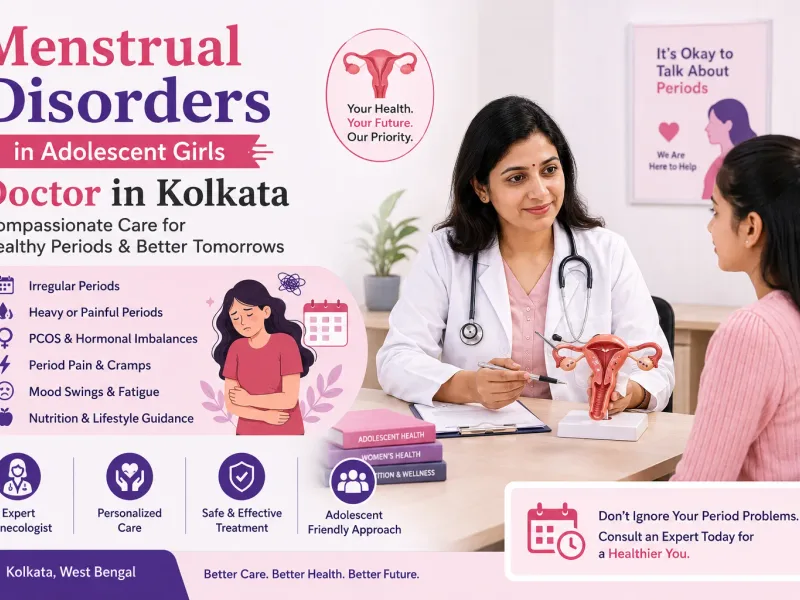
If you are searching for a Menstrual Disorders in Adolescent Girls Doctor in Kolkata, early evaluation by an experienced gynecologist can help identify the underlying cause of irregular or painful periods. While menstrual irregularities are common during the first few years after puberty, persistent
July 31, 2026
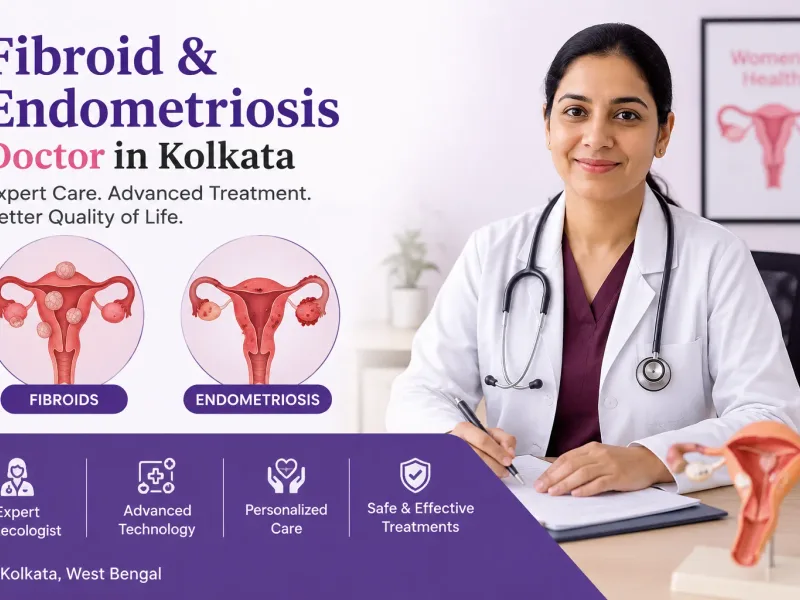
If you are searching for a Fibroid & Endometriosis doctor in Kolkata, choosing an experienced gynecologist with expertise in minimally invasive gynecological surgery is essential. Uterine fibroids and endometriosis are two common but different conditions that can cause pelvic pain, heavy menstrual b
July 31, 2026