

Emergency & Help
24/7 Emergency & General Advisory
🚨 24/7 Medical Emergency
Non-Emergency Advisory
10:00 AM – 6:00 PM, Mon–Sat
For appointments & general queries.
24/7 Emergency & General Advisory
🚨 24/7 Medical Emergency
Non-Emergency Advisory
10:00 AM – 6:00 PM, Mon–Sat
For appointments & general queries.
Learn about postpartum anxiety (PPA), its symptoms, causes, and how new mothers in India can seek help and manage this condition. Understand the difference between PPA and PPD and find available support resources.

Welcoming a new baby into your life is a whirlwind of emotions – joy, exhaustion, and a whole lot of love. But for some new mothers in India, this beautiful phase can also be shadowed by persistent, overwhelming worry that goes beyond the normal new-parent jitters. This is known as postpartum anxiety (PPA). While often discussed alongside postpartum depression (PPD), postpartum anxiety is a distinct condition that deserves our attention and understanding. It affects a significant number of women, and knowing the signs, causes, and available support can make all the difference. The transition to motherhood is profound. Your body undergoes immense changes, your sleep schedule is upended, and your entire world revolves around this tiny human. It’s natural to feel a surge of protective instincts and a degree of worry about your baby’s well-being. Are they eating enough? Are they gaining weight? Are they safe? These are common thoughts. However, when these worries become constant, intrusive, and debilitating, they might signal something more serious than just new-parent stress. Recent studies suggest that a substantial percentage of women experience symptoms related to postpartum anxiety. In one study involving over 4,000 new mothers, a notable 18 percent reported experiencing symptoms of anxiety. Among these women, a significant portion also showed signs of postpartum depression. These numbers highlight that you are certainly not alone if you are struggling. The fear of being judged or misunderstood can sometimes prevent mothers from speaking up, making the actual prevalence potentially even higher. What Exactly is Postpartum Anxiety? Postpartum anxiety is characterized by excessive, persistent worry and fear that interferes with daily life and the ability to bond with your baby. Unlike the baby blues, which are temporary and typically resolve within a couple of weeks, PPA can linger and intensify. It’s a condition where your mind is constantly racing with worst-case scenarios, even when there’s no immediate danger. Imagine this: Your baby is peacefully asleep in their crib, and instead of resting, you find yourself wide awake, intensely scrutinizing every tiny sound, convinced that something terrible is about to happen. This isn’t just a passing thought; it’s a persistent, gnawing anxiety that consumes your energy and peace of mind. Recognizing the Signs of Postpartum Anxiety It's essential to distinguish between normal new-parent worries and the more severe symptoms of PPA. While most new mothers experience some level of concern, PPA symptoms are more intense and disruptive. Here are some common signs to look out for: Constant and Uncontrollable Worry: A pervasive feeling of dread or worry that you can’t switch off, even when you try. This worry often focuses on your baby’s health, safety, or development. Intrusive Thoughts: Unwanted, recurring thoughts about harm or danger coming to your baby, or even yourself. These thoughts can be distressing and frightening. Sleep Disturbances: Difficulty falling asleep, staying asleep, or waking up frequently even when your baby is sleeping soundly. This is beyond the typical sleep deprivation of new parenthood. Physical Symptoms: Anxiety can manifest physically. You might experience a racing heart, shortness of breath, dizziness, nausea, muscle tension, or fatigue. Irritability and Restlessness: Feeling on edge, easily agitated, or having trouble relaxing. Difficulty Concentrating: Finding it hard to focus on tasks, conversations, or even simple decisions. Panic Attacks: In some cases, PPA can escalate to postpartum panic disorder, characterized by sudden, intense episodes of fear accompanied by physical symptoms like chest pain, choking sensations, or an overwhelming fear of dying. Postpartum OCD: A Specific Form A more specific type of PPA is postpartum obsessive-compulsive disorder (OCD). This can involve obsessive thoughts, often about the baby’s safety, and compulsive behaviors aimed at preventing the feared outcomes. For instance, a mother might repeatedly check if the baby is breathing or excessively wash her hands to ward off germs, driven by intense intrusive thoughts. Understanding the Causes of Postpartum Anxiety The exact causes of postpartum anxiety are complex and often a combination of factors. Hormonal shifts are a significant contributor. After childbirth, a woman’s hormone levels (estrogen and progesterone) drop dramatically, which can trigger mood changes and anxiety. Beyond hormones, several other elements play a role: Genetic Predisposition: A family history of anxiety disorders or other mental health conditions can increase a woman’s risk. Stressful Life Events: Complications during pregnancy or delivery, a premature baby, or lack of support can heighten anxiety. Sleep Deprivation: Chronic lack of sleep significantly impacts mental well-being and can exacerbate anxiety symptoms. Major Life Changes: The immense adjustment to motherhood, with its new responsibilities and identity shifts, can be a significant stressor. Pre-existing Anxiety: Women who experienced anxiety or panic attacks before pregnancy are more prone to developing PPA. When Worry Becomes More Than Just Worry: Differentiating PPA from PPD It’s important to know that postpartum depression (PPD) and postpartum anxiety (PPA) can occur together, but they are not the same. The key difference often lies in the primary emotional experience. With PPD, overwhelming sadness, hopelessness, and a lack of interest in activities (including the baby) are central. Mothers with PPD might also have thoughts of harming themselves or their baby. Postpartum anxiety, on the other hand, is dominated by fear, worry, and dread, often without the intense sadness associated with PPD. However, symptoms can overlap, making professional diagnosis crucial. If you're experiencing intense sadness, feel disconnected from your baby, or have thoughts of harming yourself or your child, seek immediate medical help. If your primary struggle is persistent, overwhelming worry and fear, even if you feel love for your baby, it could be postpartum anxiety. Seeking Diagnosis and Support The first and most critical step in managing postpartum anxiety is seeking a professional diagnosis. Don’t hesitate to discuss your concerns with your doctor. Your postpartum check-up, usually scheduled within the first six weeks after delivery, is an important opportunity to talk about how you’re feeling. However, you don’t need to wait for this appointment. If you are experiencing concerning symptoms, schedule a follow-up appointment sooner. A healthcare provider can assess your symptoms, rule out other medical conditions, and recommend the most appropriate treatment. Remember, seeking help is a sign of strength, not weakness. Treatment Options for Postpartum Anxiety Fortunately, postpartum anxiety is treatable, and effective strategies can help mothers regain their well-being. 1. Therapy (Psychotherapy): Cognitive Behavioral Therapy (CBT): This is a highly effective therapy that helps you identify and challenge negative thought patterns and develop coping mechanisms for managing anxiety. Interpersonal Therapy (IPT): This therapy focuses on improving relationships and communication skills, which can be beneficial as you navigate new family dynamics. 2. Medication: Your doctor may prescribe anti-anxiety medications or antidepressants, which can be very effective in managing PPA symptoms. Many medications are safe to use while breastfeeding, but it’s vital to discuss this with your doctor to find the best option for you. 3. Lifestyle Adjustments and Self-Care: Prioritize Rest: While difficult with a newborn, try to sleep when the baby sleeps. Ask for help from your partner, family, or friends to get some uninterrupted rest. Nourishing Diet: Eat balanced meals. While not a cure, good nutrition supports overall mental health. Avoid excessive caffeine, which can worsen anxiety. Gentle Exercise: If your doctor approves, engaging in light physical activity like walking can be beneficial. Some studies suggest that exercise, including resistance training, can help lower anxiety symptoms, even in the postpartum period. Start slowly and gradually increase intensity as you feel able. Mindfulness and Relaxation Techniques: Practices like deep breathing exercises, meditation, or prenatal/postnatal yoga can help calm the nervous system. Seek Social Support: Connect with other new mothers, join support groups (online or in-person), or talk to trusted friends and family. Sharing your experiences can be incredibly validating. Delegate Tasks: Don’t try to do everything yourself. Accept help with household chores, cooking, or childcare. Prevention and Early Intervention Tips While not all cases of PPA can be prevented, certain steps can help mitigate the risk or facilitate early intervention: Plan for Support: Before your baby arrives, arrange for help from your partner, family, or friends. Discuss who will assist with meals, chores, and baby care. Educate Yourself: Understanding the realities of postpartum life, including the possibility of mood changes, can help you prepare mentally. Communicate Your Needs: Be open with your partner and support system about how you are feeling. Maintain Healthy Habits: Continue to eat well, get as much rest as possible, and engage in gentle exercise throughout pregnancy and postpartum, as advised by your doctor. Attend Postpartum Check-ups: These appointments are vital for monitoring your physical and mental recovery. When to Consult a Doctor Immediately If you experience any of the following, seek immediate medical attention: Thoughts of harming yourself or your baby. Intense panic attacks that feel unbearable. Inability to care for yourself or your baby. Severe and persistent symptoms that interfere significantly with your daily life and well-being. Remember, reaching out is a sign of strength. There is help available, and you don’t have to go through this alone. With the right support and treatment, you
In summary, timely diagnosis, evidence-based treatment, and prevention-focused care improve long-term health outcomes.
Visit Hospital
Near You
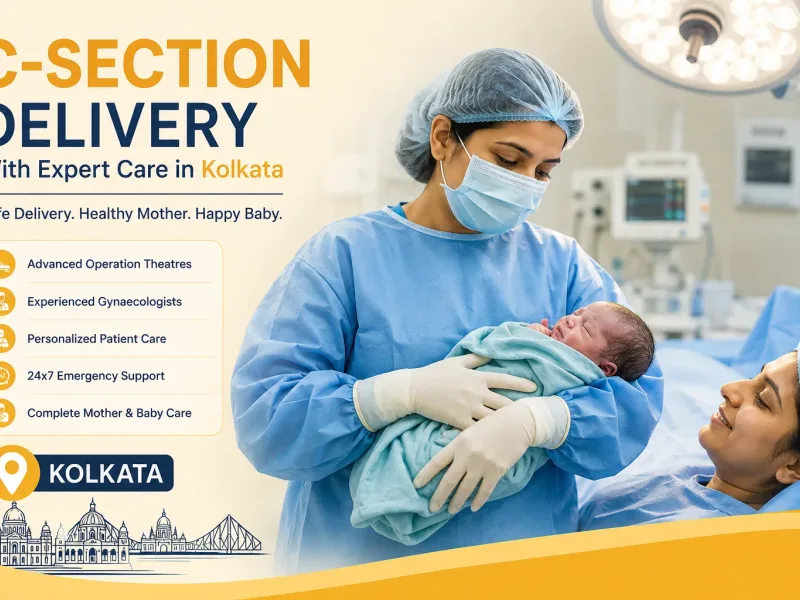
A cesarean section (C-section) is a surgical delivery in which a baby is born through an incision in the mother's abdomen and uterus. In Kolkata, several experienced obstetricians and well-equipped hospitals offer C-section services for planned and emergency deliveries. Understanding when a C-sectio
July 31, 2026
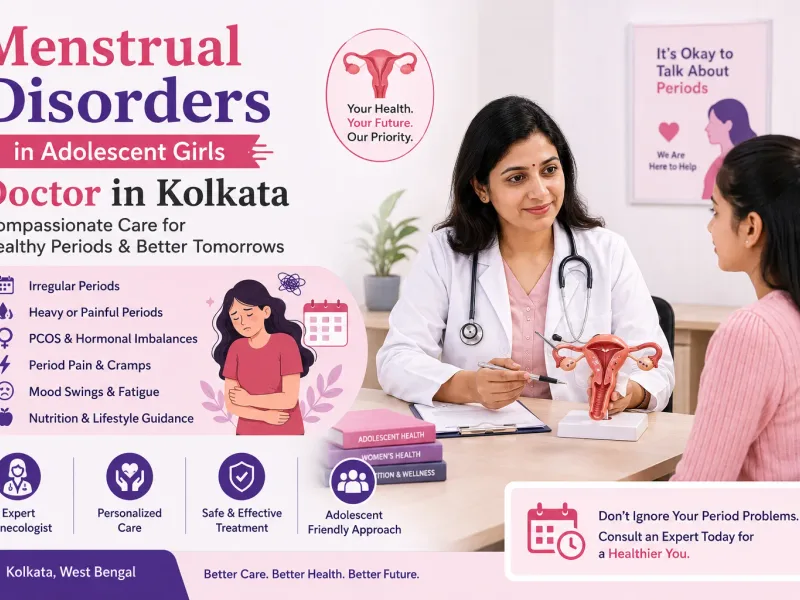
If you are searching for a Menstrual Disorders in Adolescent Girls Doctor in Kolkata, early evaluation by an experienced gynecologist can help identify the underlying cause of irregular or painful periods. While menstrual irregularities are common during the first few years after puberty, persistent
July 31, 2026
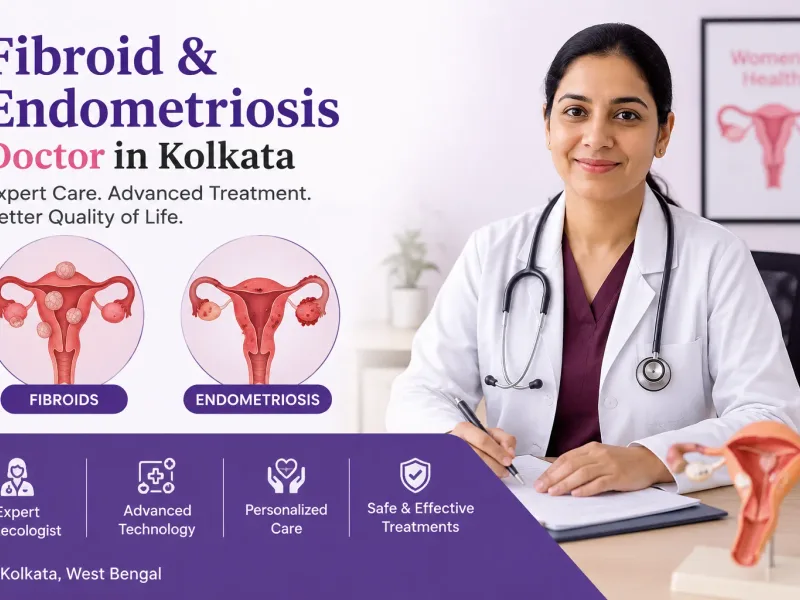
If you are searching for a Fibroid & Endometriosis doctor in Kolkata, choosing an experienced gynecologist with expertise in minimally invasive gynecological surgery is essential. Uterine fibroids and endometriosis are two common but different conditions that can cause pelvic pain, heavy menstrual b
July 31, 2026