

Emergency & Help
24/7 Emergency & General Advisory
🚨 24/7 Medical Emergency
Non-Emergency Advisory
10:00 AM – 6:00 PM, Mon–Sat
For appointments & general queries.
24/7 Emergency & General Advisory
🚨 24/7 Medical Emergency
Non-Emergency Advisory
10:00 AM – 6:00 PM, Mon–Sat
For appointments & general queries.
Learn about postpartum hip pain, its causes, symptoms, diagnosis, and effective treatment options for new mothers. Find relief and regain mobility.

Bringing a new life into the world is a miraculous journey, but it often comes with its own set of physical challenges. One such challenge that many new mothers face is postpartum hip pain. While some discomfort during pregnancy is expected, persistent hip pain after childbirth can be concerning and significantly impact a mother's ability to care for herself and her newborn. This article aims to provide a comprehensive guide to understanding postpartum hip pain, its potential causes, common symptoms, diagnostic approaches, and effective treatment and management strategies, tailored for Indian readers.
Postpartum hip pain refers to discomfort experienced in the hip and pelvic region after giving birth. It is often a continuation or a consequence of pelvic girdle pain (PGP), also known as symphysis pubis dysfunction (SPD), which can affect women during pregnancy. PGP is characterized by pain in the front and back of the pelvis, which may radiate to the hips or thighs. While PGP often improves after delivery, for some women, it can persist for months or even years.
The experience of postpartum hip pain can vary greatly from woman to woman. However, some common symptoms include:
Several factors can contribute to hip pain after childbirth:
During pregnancy, hormonal changes (like the release of relaxin) cause ligaments to loosen, increasing joint flexibility to prepare for childbirth. This can lead to instability in the pelvic joints, resulting in PGP. If the pelvic joints do not return to their normal stability after delivery, PGP can continue into the postpartum period.
The abdominal and pelvic floor muscles play a crucial role in supporting the pelvis and hips. Pregnancy and childbirth can weaken these muscles. Reduced strength in these supporting muscles can lead to increased strain on the hip joints and surrounding structures, causing pain.
The hip socket is lined with cartilage, and a ring of fibrocartilage called the labrum helps to deepen the socket and stabilize the hip joint. Increased pressure and strain during pregnancy and delivery can sometimes lead to a tear in the labrum. This can cause significant pain, clicking, and a feeling of instability in the hip.
The piriformis muscle is located deep in the buttock. If this muscle becomes tight or spasms, it can irritate the sciatic nerve, leading to pain that radiates down the leg, often mistaken for hip pain. This can be exacerbated by changes in posture and muscle function after childbirth.
While not directly caused by childbirth, pre-existing arthritis in the hip joint can be aggravated by the physical stresses of pregnancy and postpartum recovery, leading to increased pain and discomfort.
Less common causes can include hyperthyroidism or previous trauma to the pelvis or back, which might become more apparent or problematic after the physical demands of pregnancy and childbirth.
If you are experiencing persistent hip pain after delivery, it is essential to consult a healthcare professional for an accurate diagnosis. Your doctor will likely:
The treatment approach for postpartum hip pain depends on the underlying cause and severity. Fortunately, many nonsurgical options can provide significant relief:
A tailored physical therapy program is often the cornerstone of treatment. A physiotherapist can guide you through:
Several methods can help manage pain:
Simple adjustments in daily life can make a difference:
In more severe cases, or if specific conditions like arthritis are diagnosed, your doctor might consider:
Surgery is rarely required for postpartum hip pain. However, in cases of severe labral tears or other structural abnormalities that do not respond to conservative treatment, surgical repair might be considered as a last resort.
It is crucial to seek medical advice if you experience any of the following:
While not all postpartum hip pain can be prevented, some measures can help reduce the risk or severity:
For many women, hip pain improves within a few months after delivery, often by the 6-month mark. However, for some, it can persist for a longer period, even years, depending on the underlying cause and the effectiveness of treatment.
Yes, generally you can breastfeed. However, if you are taking pain medication, consult your doctor to ensure it is safe for your baby. Certain positions for breastfeeding might also aggravate hip pain, so finding a comfortable and supportive position is key.
While postpartum hip pain can be very uncomfortable and disruptive, it is often manageable with the right treatment. However, persistent or severe pain, especially if accompanied by fever, swelling, or inability to move, should always be evaluated by a doctor to rule out more serious conditions.
Gentle exercises focusing on strengthening the pelvic floor, glutes, and core muscles are usually recommended. However, it is crucial to consult with a physiotherapist or doctor before starting any exercise program to ensure it is appropriate for your specific condition and does not worsen the pain.
Postpartum hip pain is a common yet often overlooked issue that can significantly affect a new mother's well-being. Understanding its causes, recognizing the symptoms, and seeking timely medical advice are crucial steps towards effective management and recovery. With appropriate treatment, including physical therapy, pain management techniques, and lifestyle adjustments, most women can find relief and regain their mobility, allowing them to fully enjoy this precious time with their newborn.
Visit Hospital
Near You
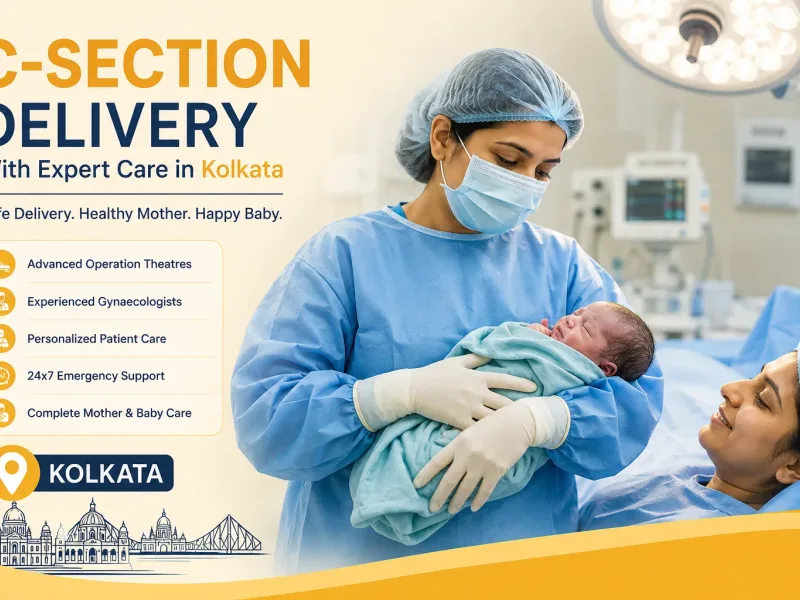
A cesarean section (C-section) is a surgical delivery in which a baby is born through an incision in the mother's abdomen and uterus. In Kolkata, several experienced obstetricians and well-equipped hospitals offer C-section services for planned and emergency deliveries. Understanding when a C-sectio
July 31, 2026
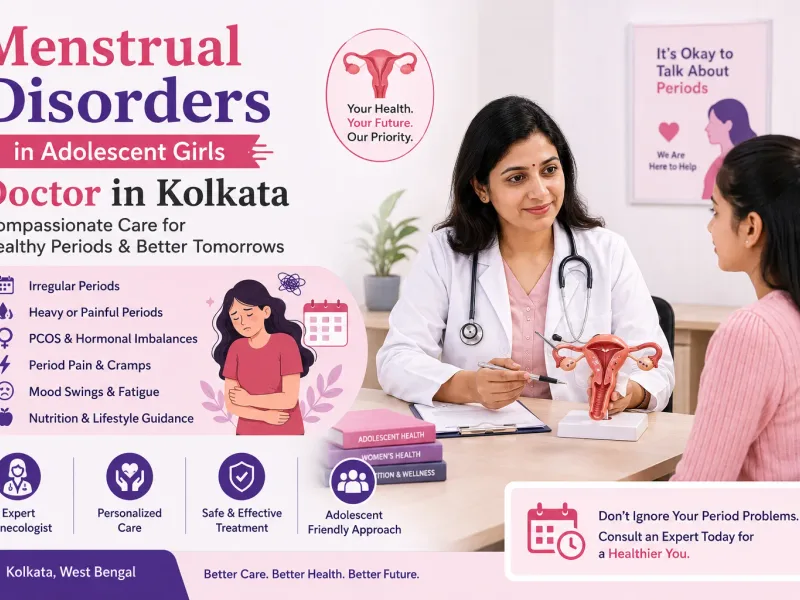
If you are searching for a Menstrual Disorders in Adolescent Girls Doctor in Kolkata, early evaluation by an experienced gynecologist can help identify the underlying cause of irregular or painful periods. While menstrual irregularities are common during the first few years after puberty, persistent
July 31, 2026
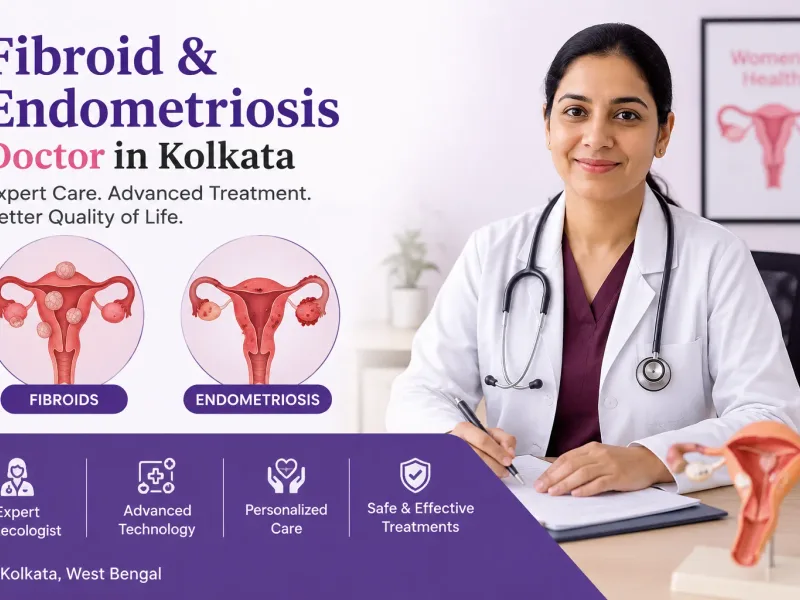
If you are searching for a Fibroid & Endometriosis doctor in Kolkata, choosing an experienced gynecologist with expertise in minimally invasive gynecological surgery is essential. Uterine fibroids and endometriosis are two common but different conditions that can cause pelvic pain, heavy menstrual b
July 31, 2026