

Emergency & Help
24/7 Emergency & General Advisory
🚨 24/7 Medical Emergency
Non-Emergency Advisory
10:00 AM – 6:00 PM, Mon–Sat
For appointments & general queries.
24/7 Emergency & General Advisory
🚨 24/7 Medical Emergency
Non-Emergency Advisory
10:00 AM – 6:00 PM, Mon–Sat
For appointments & general queries.
Explore the phenomenon of squirting: what it is, common myths, how to experience it, and tips for partners. Understand this natural bodily response with expert insights.

Squirting, sometimes referred to as female ejaculation, is a fascinating physiological response that involves the expulsion of fluid from the urethra during sexual arousal or orgasm. For many, it's an intense and pleasurable experience, while for others, it remains a topic of curiosity and sometimes, misconception. This phenomenon involves the Skene's glands, often called the 'female prostate,' which are located near the urethra. When stimulated, these glands can release fluid. While myths abound, scientific understanding points to a combination of urine and secretions from the Skene's glands. It's a natural bodily function, and experiencing it can be a rewarding journey of self-discovery and enhanced intimacy.
For some, the sensation is described as an intense release, distinct from orgasm, while for others, it feels like a very wet orgasm. As one individual shared, “Right before it happens, I literally feel like I’m going to wet the bed. While it’s happening, it feels like a really wet orgasm.” This feeling of needing to urinate is common and is often a precursor to squirting, but it's important to distinguish this sensation from actual urination. The fluid itself is not pure urine; research indicates it contains urine components like urea, uric acid, and creatinine, alongside prostatic-specific antigen (PSA) produced by the Skene's glands. This unique composition highlights the complex nature of female sexual response.
Several persistent myths surround squirting. One of the most common is the belief that it isn't real. However, evidence and countless personal accounts confirm its existence. While not everyone with a vulva will experience squirting, studies suggest that a significant percentage, perhaps around 40% of adult women in the U.S., have experienced it at some point. Another misconception is that the fluid is solely urine. As mentioned, while urine is a component, the fluid also contains secretions from the Skene's glands, making it distinct from simple urination.
It's also a myth that squirting only happens during intercourse or with specific types of stimulation. The experience is highly individual, and what triggers it for one person may not for another. Some individuals report experiencing it during masturbation, while others find it occurs during partnered sex. The key is understanding your own body and what feels pleasurable and stimulating. For some trans and nonbinary individuals, squirting can be a deeply affirming experience, aligning with their gender identity and sexual expression. As one person shared, “Squirting feels to me what I imagine jizzing would feel like if I had a penis.” This highlights the diverse and personal nature of sexual experiences.
If you're curious about experiencing squirting, the first step is to create a comfortable and relaxed environment. Many find that preparation makes the experience more enjoyable and less stressful. Laying down towels or a waterproof sheet can help manage any mess, allowing you to focus on the sensations. Mental preparation is also key. As sex coach Gigi Engle notes, “If you’re not relaxed, holding yourself back, not in the right mindset, or not giving yourself over to the full sensation, it’s unlikely you’ll be relaxed enough to squirt.” Letting go of inhibitions and embracing the moment are vital.
Stimulation Techniques:
A Real-Life Scenario: Maya had always been curious about squirting but felt intimidated. She decided to try on a quiet Saturday afternoon. After setting up some towels, she put on some music and focused on her breathing. When she started G-spot stimulation, she felt that familiar urge to pee. Instead of getting anxious, she remembered reading that this was normal and continued. A few minutes later, she experienced a powerful release, accompanied by a gush of fluid. She felt surprised and exhilarated by this new sensation.
If you're exploring squirting with a partner, remember that patience, communication, and a pressure-free approach are paramount. Avoid making your partner feel inadequate if they don't squirt or if it doesn't happen every time. The focus should always be on shared pleasure and exploration, not performance.
Key Considerations:
Remember, the journey to experiencing squirting is unique for everyone. It may happen unexpectedly, or it might take time and practice. The most important aspect is to approach it with curiosity, self-acceptance, and a focus on pleasure.
While some people describe squirting as feeling like a wet orgasm, and it often occurs alongside or after orgasm, it is generally considered a separate physiological response. The sensations can be similar but distinct. For some, it's an intense release that feels different from their orgasmic experience.
No, it's not just urine. While research indicates that the fluid contains urine components like urea, uric acid, and creatinine, it also includes secretions from the Skene's glands, which produce PSA. This combination makes it different from simple urination.
While many individuals with a vulva can potentially squirt, it doesn't happen for everyone. Factors like anatomy, arousal levels, relaxation, and specific stimulation techniques can all play a role. Some data suggests about 40% of adult women have experienced it. It's not a measure of sexual health or ability.
Focus on relaxation and mental readiness. Prepare your surroundings for easy cleanup. Experiment with G-spot stimulation, either alone or with a partner, and consider dual clitoral and G-spot stimulation. If you feel the urge to urinate, try to relax and continue, as this can be a precursor to squirting.
Visit Hospital
Near You

A cesarean section (C-section) is a surgical delivery in which a baby is born through an incision in the mother's abdomen and uterus. In Kolkata, several experienced obstetricians and well-equipped hospitals offer C-section services for planned and emergency deliveries. Understanding when a C-sectio
July 31, 2026
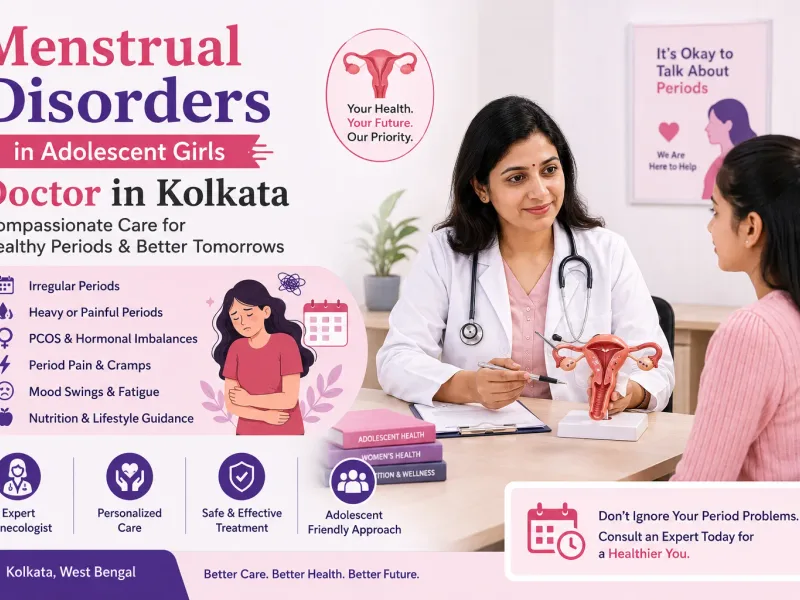
If you are searching for a Menstrual Disorders in Adolescent Girls Doctor in Kolkata, early evaluation by an experienced gynecologist can help identify the underlying cause of irregular or painful periods. While menstrual irregularities are common during the first few years after puberty, persistent
July 31, 2026

If you are searching for a Fibroid & Endometriosis doctor in Kolkata, choosing an experienced gynecologist with expertise in minimally invasive gynecological surgery is essential. Uterine fibroids and endometriosis are two common but different conditions that can cause pelvic pain, heavy menstrual b
July 31, 2026