

Emergency & Help
24/7 Emergency & General Advisory
🚨 24/7 Medical Emergency
Non-Emergency Advisory
10:00 AM – 6:00 PM, Mon–Sat
For appointments & general queries.
24/7 Emergency & General Advisory
🚨 24/7 Medical Emergency
Non-Emergency Advisory
10:00 AM – 6:00 PM, Mon–Sat
For appointments & general queries.
An in-depth look at the crisis in Black maternal health, exploring its causes, implications, and the urgent need for equitable care for all expectant mothers.

The health and well-being of mothers during pregnancy and childbirth are paramount. Yet, alarming statistics reveal a persistent and deeply concerning crisis in maternal health, particularly affecting Black women. While this issue is often discussed in the context of countries like the United States, its roots and implications resonate globally, including within India's diverse healthcare landscape. Understanding this crisis means acknowledging the historical context, the systemic factors at play, and the urgent need for equitable care for all expectant mothers.
Globally, maternal mortality rates vary significantly. However, certain populations consistently face higher risks. In the United States, for instance, the statistics are shocking: Black mothers are several times more likely to die from pregnancy-related causes than white mothers. This disparity, which has widened over time, is not due to inherent biological differences but is deeply intertwined with systemic issues and implicit biases within the healthcare system. While direct comparisons between the US and India are complex due to differing healthcare structures and data collection, the underlying principles of health equity remain universal. Factors contributing to poor maternal health, such as socioeconomic status, access to quality care, and cultural biases, are present in all societies.
The current crisis in Black maternal health has deep historical roots. For centuries, harmful ideologies have perpetuated the notion of racial inferiority, impacting how Black individuals have been treated in all aspects of life, including healthcare. These historical biases have seeped into medical practices and perceptions, leading to a legacy of mistrust and unequal treatment. This history means that even when Black patients present with clear symptoms, their concerns may be dismissed or underestimated by healthcare providers, who may unconsciously harbor biases. This isn't always about malicious intent; often, it's the result of deeply ingrained societal prejudices that influence clinical judgment.
Implicit bias refers to the unconscious attitudes or stereotypes that affect our understanding, actions, and decisions. In healthcare, implicit bias can lead to disparities in how patients are treated, diagnosed, and managed. For Black women, this can translate into their pain being underestimated, their symptoms being dismissed, and their concerns being overlooked. This was tragically illustrated in a personal account where a woman experienced severe appendicitis. Despite her clear symptoms and explanation that fevers were atypical for her, the urgent care physician initially tried to send her away. It was only when her condition worsened rapidly that the severity was recognized. This scenario, while alarming, is not uncommon and highlights how implicit bias can create dangerous delays in diagnosis and treatment.
The reasons behind the elevated maternal mortality rates among Black women are complex and interconnected:
For expectant mothers, especially those from marginalized communities, this crisis underscores the importance of proactive engagement with their healthcare providers. It means being informed about potential risks, understanding your body, and being prepared to advocate for your health needs. It's about building a partnership with your doctor based on trust and clear communication.
If you are pregnant or planning to become pregnant, here are practical steps you can take:
Imagine Priya, a young mother-to-be, experiencing persistent headaches and blurred vision during her third trimester. Her doctor initially attributes it to normal pregnancy discomfort. However, Priya remembers reading about preeclampsia and its symptoms. She insists on further tests, highlighting the severity of her symptoms. Thankfully, her persistence leads to the early diagnosis of preeclampsia, allowing for timely intervention and ensuring her safety and the baby's well-being.
While regular check-ups are essential, certain symptoms warrant immediate medical attention during pregnancy. Do not delay seeking help if you experience:
Addressing the crisis in Black maternal health requires a multifaceted approach. It involves systemic changes within healthcare institutions to combat implicit bias, increased investment in community health programs, and a commitment to providing culturally competent care. For individuals, it means empowering ourselves with knowledge and advocating for our health needs. Every mother, regardless of her race or background, deserves safe, respectful, and high-quality maternal care. By raising awareness and demanding change, we can work towards a future where all mothers and babies thrive.
Maternal mortality refers to the death of a woman while pregnant or within 42 days of termination of pregnancy, irrespective of the duration and site of the pregnancy, from any cause related to or aggravated by the pregnancy or its management, but not from accidental or incidental causes.
While Black women face the most stark disparities in many countries, other minority and marginalized groups can also experience poorer maternal health outcomes due to factors like socioeconomic status, geographic location, and access to care.
Look for providers who have experience working with diverse populations, ask about their approach to patient communication, and seek recommendations from community organizations or support groups.
Yes, chronic or severe stress can impact pregnancy. It's important to manage stress through relaxation techniques, seeking support, and prioritizing self-care.
Visit Hospital
Near You
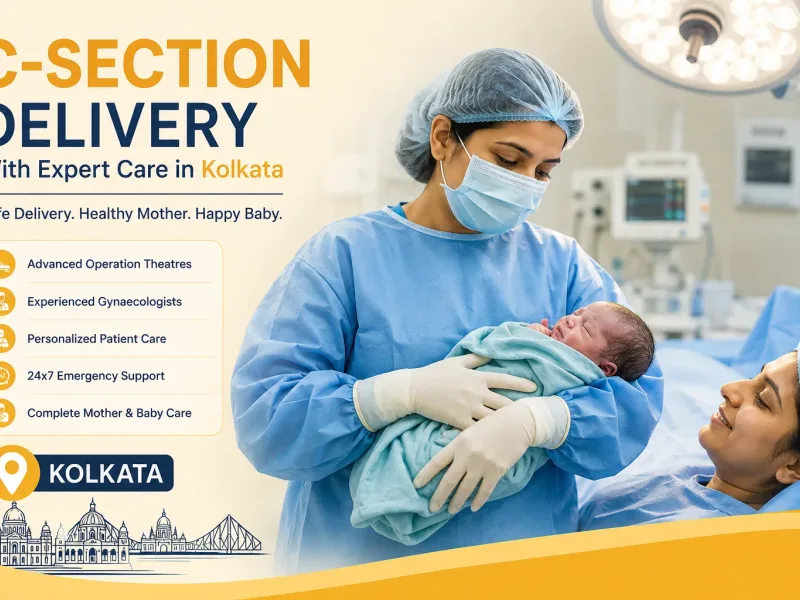
A cesarean section (C-section) is a surgical delivery in which a baby is born through an incision in the mother's abdomen and uterus. In Kolkata, several experienced obstetricians and well-equipped hospitals offer C-section services for planned and emergency deliveries. Understanding when a C-sectio
July 31, 2026
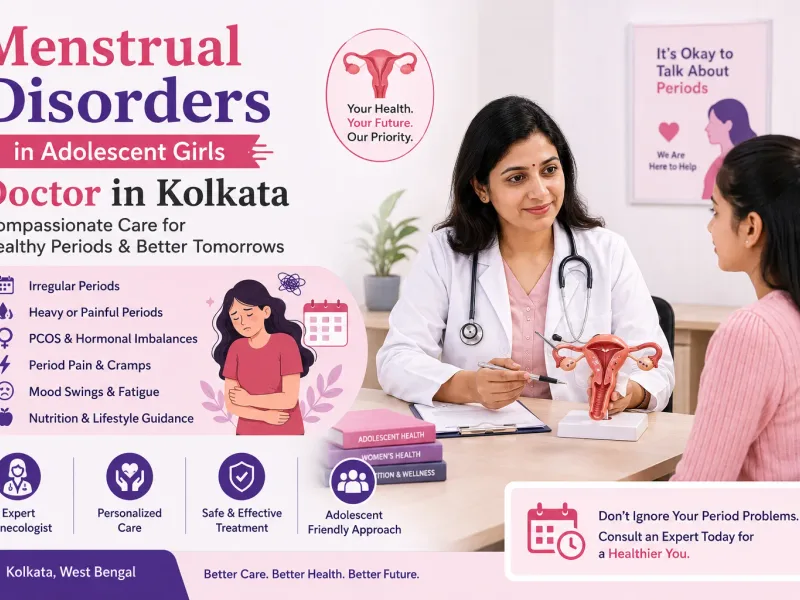
If you are searching for a Menstrual Disorders in Adolescent Girls Doctor in Kolkata, early evaluation by an experienced gynecologist can help identify the underlying cause of irregular or painful periods. While menstrual irregularities are common during the first few years after puberty, persistent
July 31, 2026
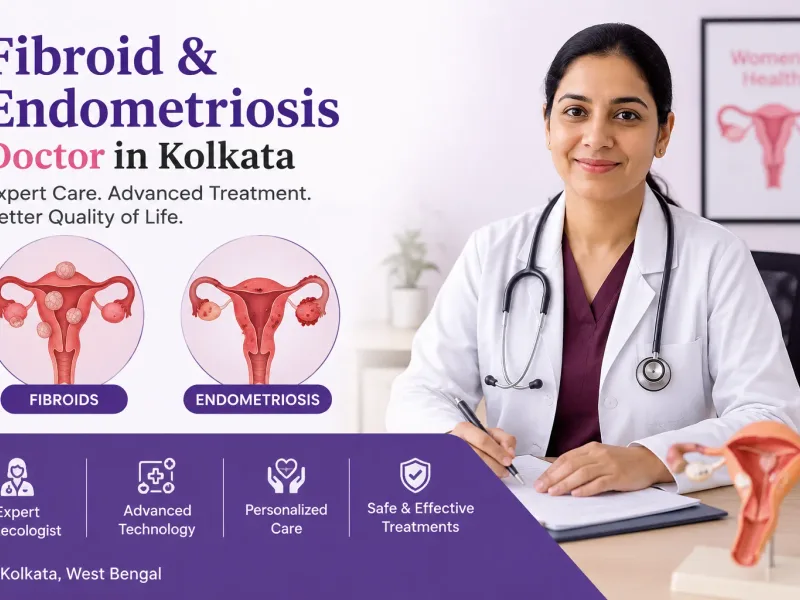
If you are searching for a Fibroid & Endometriosis doctor in Kolkata, choosing an experienced gynecologist with expertise in minimally invasive gynecological surgery is essential. Uterine fibroids and endometriosis are two common but different conditions that can cause pelvic pain, heavy menstrual b
July 31, 2026