

Emergency & Help
24/7 Emergency & General Advisory
🚨 24/7 Medical Emergency
Non-Emergency Advisory
10:00 AM – 6:00 PM, Mon–Sat
For appointments & general queries.
24/7 Emergency & General Advisory
🚨 24/7 Medical Emergency
Non-Emergency Advisory
10:00 AM – 6:00 PM, Mon–Sat
For appointments & general queries.
Learn about uterine polyps: their causes, common symptoms like abnormal bleeding, how doctors diagnose them using ultrasound and hysteroscopy, and effective treatment options including surgical removal. Understand when to consult a doctor and how to manage this common condition.

Hello ladies, let's talk about something that might be on your mind but perhaps not openly discussed: uterine polyps. These are small, fleshy growths that can appear on the inner lining of your uterus, known as the endometrium. Think of them like little bumps on the wallpaper of your womb. They are quite common, and while the word 'growth' can sound alarming, it's important to remember that over 95% of uterine polyps are benign, meaning they are not cancerous. This is a significant point to reassure ourselves. These polyps are typically small, often less than 1 cm in size, but it’s also possible to have more than one. The incidence of these polyps tends to increase as women get older, often peaking between the ages of 40 and 49. While the risk might decrease after menopause due to natural drops in estrogen levels, there's a specific group to be aware of: women undergoing tamoxifen therapy. For these individuals, the risk of developing uterine polyps can be notably higher. Understanding these growths is the first step towards managing them and ensuring your reproductive health stays on track. We’ll explore what causes them, what signs to look out for, how doctors diagnose them, and what treatment options are available. Remember, knowledge is power, especially when it comes to our health.
Uterine polyps, also called endometrial polyps, are essentially overgrowths of the uterine lining. They grow from the endometrium and protrude into the uterine cavity. While they are generally small, their presence can sometimes lead to bothersome symptoms or interfere with fertility. It's not uncommon for them to occur alongside other uterine conditions like fibroids.
The exact cause of uterine polyps isn't always clear-cut, but medical experts believe that hormonal imbalances, particularly high levels of estrogen, play a significant role. Estrogen stimulates the thickening of the uterine lining, and in some women, this growth can become localized and form a polyp. Several factors can increase your risk:
It's important to note that having these risk factors doesn't guarantee you'll develop polyps, but awareness can be helpful.
The symptoms can vary greatly from woman to woman. Some women experience no symptoms at all, and the polyps are discovered incidentally during an examination for other issues or fertility concerns. However, when symptoms do occur, they most commonly involve abnormal uterine bleeding:
It's crucial to understand that these symptoms can also be signs of other gynaecological conditions, including uterine cancer. Therefore, never self-diagnose. Always consult your doctor if you experience any of these changes.
If you report symptoms suggestive of uterine polyps, your doctor will likely recommend a series of diagnostic steps to confirm their presence and rule out other conditions. The goal is to get a clear picture of what's happening inside your uterus.
Your doctor will decide which diagnostic tools are most appropriate based on your individual situation.
The decision to treat uterine polyps often depends on the severity of your symptoms, your age, and whether you are trying to conceive. Many small, asymptomatic polyps might not require treatment and could be monitored. However, if polyps are causing significant bleeding, pain, or interfering with fertility, treatment is usually recommended.
The choice of treatment will be a shared decision between you and your doctor, considering all aspects of your health and reproductive goals.
Since the exact cause isn't fully understood and hormonal factors are involved, completely preventing uterine polyps can be challenging. However, maintaining a healthy lifestyle might help reduce your risk:
While these steps are good for overall health, they are not guaranteed to prevent polyp formation.
It is absolutely essential to seek medical advice if you experience any of the following:
Your doctor is your best resource for accurate diagnosis and appropriate management. Don't hesitate to reach out.
Taking proactive steps to understand your body and seeking timely medical advice are key to maintaining your gynaecological health. If you have concerns about uterine polyps or any other reproductive health issues, please speak with your healthcare provider.
Visit Hospital
Near You

A cesarean section (C-section) is a surgical delivery in which a baby is born through an incision in the mother's abdomen and uterus. In Kolkata, several experienced obstetricians and well-equipped hospitals offer C-section services for planned and emergency deliveries. Understanding when a C-sectio
July 31, 2026
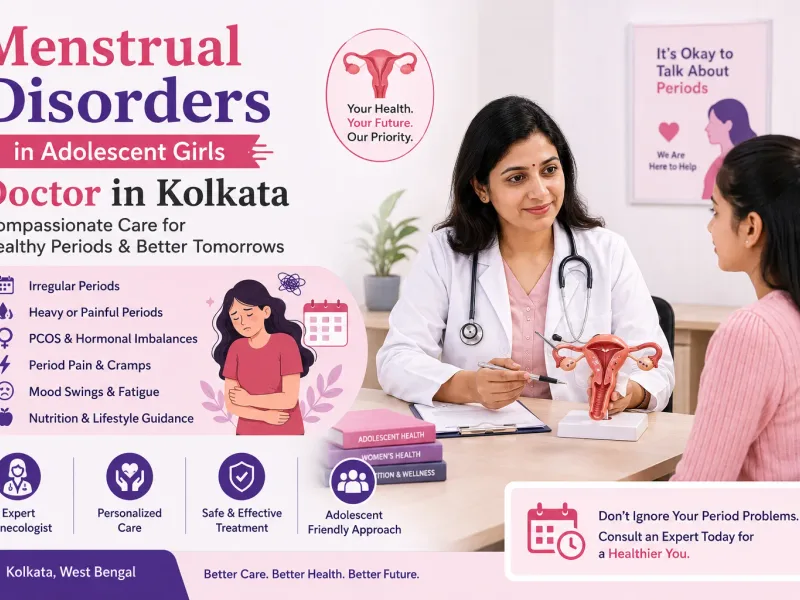
If you are searching for a Menstrual Disorders in Adolescent Girls Doctor in Kolkata, early evaluation by an experienced gynecologist can help identify the underlying cause of irregular or painful periods. While menstrual irregularities are common during the first few years after puberty, persistent
July 31, 2026
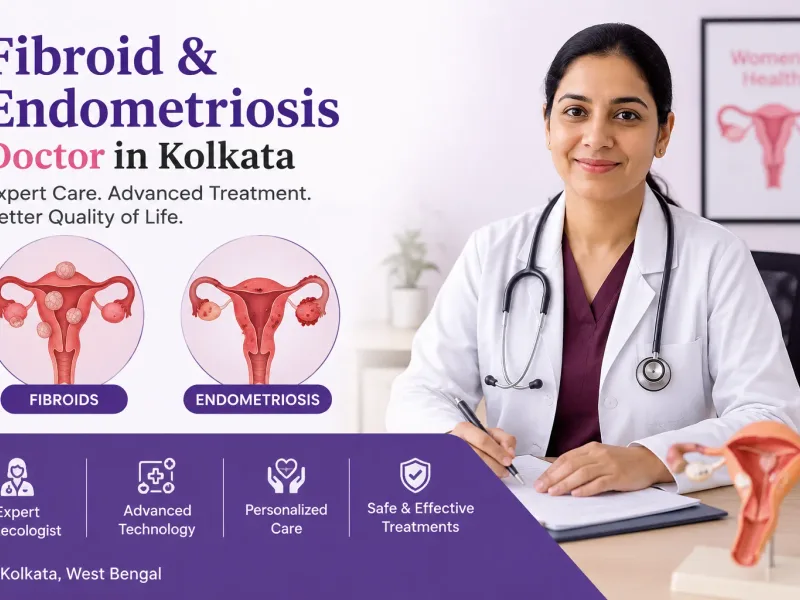
If you are searching for a Fibroid & Endometriosis doctor in Kolkata, choosing an experienced gynecologist with expertise in minimally invasive gynecological surgery is essential. Uterine fibroids and endometriosis are two common but different conditions that can cause pelvic pain, heavy menstrual b
July 31, 2026