

Emergency & Help
24/7 Emergency & General Advisory
🚨 24/7 Medical Emergency
Non-Emergency Advisory
10:00 AM – 6:00 PM, Mon–Sat
For appointments & general queries.
24/7 Emergency & General Advisory
🚨 24/7 Medical Emergency
Non-Emergency Advisory
10:00 AM – 6:00 PM, Mon–Sat
For appointments & general queries.
Understand the physical changes and recovery process after a hysterectomy, including organ shifts, potential symptoms, and impact on sexual health. Essential reading for women in India navigating post-surgery life.

A hysterectomy, a surgical procedure to remove the uterus, marks a significant life event for many women. It's a decision often made for various medical reasons, ranging from managing fibroids and endometriosis to treating cancer. While the primary goal is to address health concerns, it's natural to wonder about the changes your body will undergo after this profound surgery. This guide aims to demystify what happens after a hysterectomy, focusing on the physical transformations and what they mean for your well-being. We'll explore how your internal organs adapt, the potential impact on your reproductive system, and what you can expect in terms of symptoms and recovery. Our aim is to provide clear, practical information for women in India as they navigate this new chapter.
At its core, a hysterectomy is the surgical removal of the uterus. However, the extent of the surgery can vary. There are several types:
Sometimes, other reproductive organs may also be removed during a hysterectomy. This is known as an oophorectomy (removal of ovaries) or salpingectomy (removal of fallopian tubes). The decision to remove these organs depends heavily on the underlying medical condition and the patient's overall health status. For instance, if ovarian cancer is a concern, the ovaries will likely be removed. However, if the hysterectomy is for conditions like fibroids, ovaries might be preserved, especially if the woman is not yet menopausal.
One of the most common questions women have is about the empty space left after the uterus is removed. Your body is remarkably adaptable! The organs closest to the uterus, primarily your small and large intestines, will naturally shift and move to occupy this newly available space. Think of it like rearranging furniture in a room – things settle into the available area. While the intestines take up the bulk of the space, other nearby organs may also adjust their positions slightly. This internal rearrangement is a normal physiological response and doesn't typically cause problems.
If you've had a partial hysterectomy, your cervix remains. It's important to understand that while your uterus is gone, the cervix still contains tissues similar to those that lined your uterus – the endometrial cells. Because of this, some women may experience light spotting or bleeding around the time they would have normally had their period. This is not a return of menstruation, but rather a result of hormonal fluctuations affecting the cervical tissue. Regular screenings, such as Pap smears, are still essential even after a partial hysterectomy to monitor cervical health and detect any potential issues early on.
The decision about whether to remove the ovaries during a hysterectomy is complex and highly individualized. If the ovaries are left in place (and they are functioning), they will continue to produce eggs and hormones, just as they did before. However, some women might experience a slight decrease in hormone production over time. For women who have already reached or are nearing menopause, doctors might recommend removing the ovaries as a preventive measure against future conditions like ovarian cancer or even breast cancer, depending on individual risk factors. Discussing this thoroughly with your doctor is vital to make an informed choice.
If your uterus has been removed, you will no longer menstruate. The monthly cycle of shedding the uterine lining is no longer possible. However, if your ovaries are still intact and producing hormones, you might still experience symptoms associated with premenstrual syndrome (PMS). These can include mood swings, bloating, and breast tenderness. It's your body's hormonal fluctuations at play, even without a period.
This is a very rare scenario, but it's worth mentioning for completeness. An ectopic pregnancy occurs when a fertilized egg implants outside the uterus, most commonly in the fallopian tube. If the fallopian tubes and cervix remain after a hysterectomy, there is a theoretical, albeit extremely low, risk of an ectopic pregnancy. This highlights the importance of understanding your specific surgical details and discussing any unusual symptoms with your doctor promptly.
For many women, sexual health is a significant concern after a hysterectomy. Some may experience changes, while others notice little difference. Common changes can include:
It's crucial to remember that these changes are not universal, and many women maintain a fulfilling sex life after a hysterectomy. Open communication with your partner and your doctor is key. Treatments for vaginal dryness, such as lubricants or hormone therapy (if appropriate), can be very effective. Exploring different forms of intimacy and focusing on overall well-being can also help.
While recovery from a hysterectomy is generally smooth for most women, it's important to be aware of potential complications. Seek immediate medical attention if you experience any of the following:
These symptoms could signal infection, internal bleeding, or other serious issues that require prompt medical evaluation.
Life after a hysterectomy is a journey of adaptation. Focusing on your overall health is paramount. This includes maintaining a balanced diet, engaging in regular, gentle exercise as recommended by your doctor, and managing stress effectively. Emotional well-being is just as important as physical recovery. If you experience persistent mood changes, anxiety, or depression, don't hesitate to seek support from a mental health professional. Support groups, whether online or in person, can also provide a valuable space to connect with others who have undergone similar experiences.
A1: No. If your uterus has been removed, pregnancy is not possible because there is no organ to carry a pregnancy. If your ovaries were removed (oophorectomy), you would also enter surgical menopause and would not release eggs.
A2: While your ovaries will continue to function, some women may notice a slight decrease in hormone production over time. However, for many, hormone levels remain relatively stable if the ovaries are healthy and left intact.
A3: Recovery times vary depending on the type of hysterectomy and the individual. Generally, it takes 4 to 6 weeks to recover from major surgery, but it can take longer to feel completely back to your usual self. Your doctor will provide specific post-operative instructions.
A4: While not a direct cause, some women experience weight gain after a hysterectomy. This can be due to hormonal changes, particularly if the ovaries are removed, leading to a slower metabolism, or lifestyle changes during recovery. Focusing on a healthy diet and exercise can help manage weight.
A5: For some women, yes, especially if vaginal dryness is an issue. However, for many, sexual activity is comfortable and satisfying after recovery. Open communication with your partner and medical advice for any discomfort are important.
This section adds practical context and preventive advice to help readers make informed healthcare decisions. It is important to verify symptoms early, consult qualified doctors, and avoid self-medication for persistent health issues.
Maintaining healthy routines, following prescribed treatment plans, and attending regular checkups can improve outcomes. If symptoms worsen or red-flag signs appear, immediate medical evaluation is recommended.
Track symptoms and duration.
Follow diagnosis and treatment from a licensed practitioner.
Review medication side effects with your doctor.
Seek urgent care for severe warning signs.
Visit Hospital
Near You

A cesarean section (C-section) is a surgical delivery in which a baby is born through an incision in the mother's abdomen and uterus. In Kolkata, several experienced obstetricians and well-equipped hospitals offer C-section services for planned and emergency deliveries. Understanding when a C-sectio
July 31, 2026
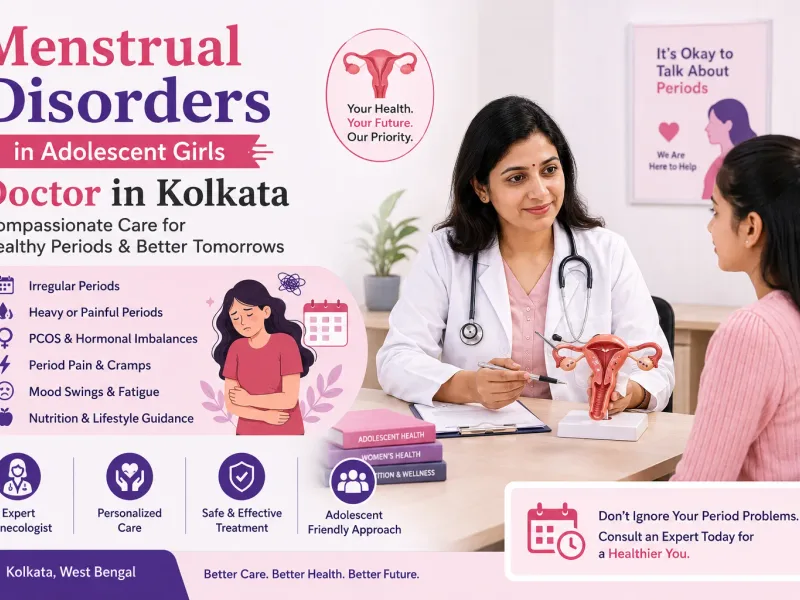
If you are searching for a Menstrual Disorders in Adolescent Girls Doctor in Kolkata, early evaluation by an experienced gynecologist can help identify the underlying cause of irregular or painful periods. While menstrual irregularities are common during the first few years after puberty, persistent
July 31, 2026
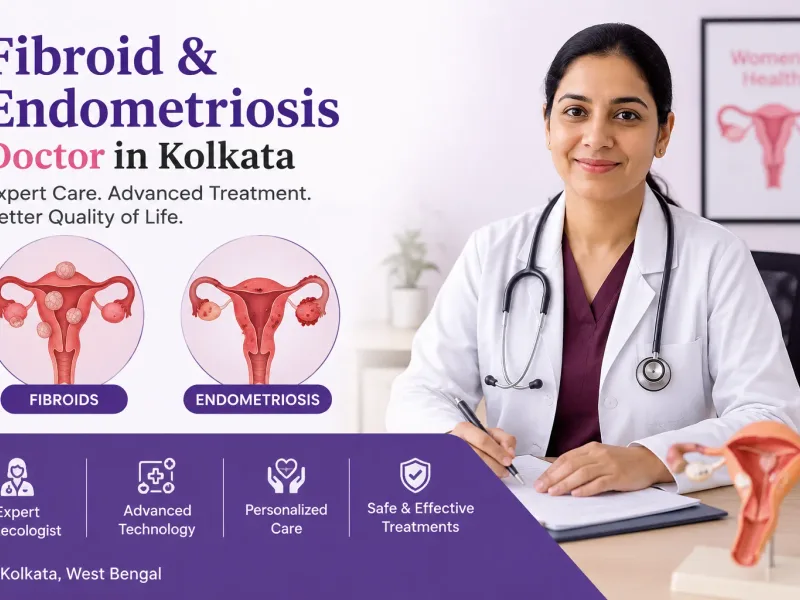
If you are searching for a Fibroid & Endometriosis doctor in Kolkata, choosing an experienced gynecologist with expertise in minimally invasive gynecological surgery is essential. Uterine fibroids and endometriosis are two common but different conditions that can cause pelvic pain, heavy menstrual b
July 31, 2026