

Emergency & Help
24/7 Emergency & General Advisory
🚨 24/7 Medical Emergency
Non-Emergency Advisory
10:00 AM – 6:00 PM, Mon–Sat
For appointments & general queries.
24/7 Emergency & General Advisory
🚨 24/7 Medical Emergency
Non-Emergency Advisory
10:00 AM – 6:00 PM, Mon–Sat
For appointments & general queries.
Stay updated with our latest healthcare news and your appointments.
Understand your Medicare well-woman exam coverage. Learn about the 'Welcome to Medicare' visit, Annual Wellness Visit, and key screenings like Pap tests, mammograms, and bone density tests. Get insights into preventive care and what Medicare Part B covers for women's health.

Navigating healthcare can be complex, especially when it comes to understanding what your insurance covers. For women, regular preventive care is crucial for maintaining long-term health and detecting potential issues early. Medicare, the federal health insurance program for people aged 65 or older, certain younger people with disabilities, and people with End-Stage Renal Disease, offers coverage for various preventive services, including what's commonly known as a "well-woman exam." But what exactly does Medicare cover, and what should you expect during these vital appointments?
This comprehensive guide will demystify the Medicare well-woman exam, outlining the covered services, the importance of preventive care, and how to make the most of your benefits to safeguard your health.
A well-woman exam is a cornerstone of preventive healthcare for women. It's an annual check-up designed to assess a woman's overall health, screen for common health conditions, and provide guidance on maintaining wellness. While the term "well-woman exam" often brings to mind gynecological screenings, it encompasses a broader range of services aimed at promoting holistic health.
Medicare doesn't use the exact term "well-woman exam" in its official documentation. Instead, it covers a collection of preventive services that, when combined, serve the purpose of a well-woman exam. These services are primarily covered under Medicare Part B (Medical Insurance).
This is a one-time preventive visit available within the first 12 months of enrolling in Medicare Part B. It's not a full physical exam but focuses on health promotion and planning. During this visit, your doctor will:
The "Welcome to Medicare" visit is a great opportunity to establish a baseline for your health and discuss any initial concerns. It's covered 100% by Medicare Part B, meaning you typically pay nothing if your doctor accepts assignment.
After your "Welcome to Medicare" visit, you're eligible for an Annual Wellness Visit (AWV) once every 12 months. The AWV is distinct from a traditional physical exam. Its primary purpose is to develop or update a personalized prevention plan based on your current health and risk factors. During an AWV, your doctor will:
Like the "Welcome to Medicare" visit, the Annual Wellness Visit is covered 100% by Medicare Part B if your doctor accepts assignment. It's important to note that if your doctor performs additional services during your AWV that are not part of the covered preventive services (e.g., addressing a new health concern or conducting a full physical exam), you may be responsible for a copayment or coinsurance for those specific additional services.
Beyond the IPPE and AWV, Medicare Part B covers a range of specific preventive screenings and services that are integral to a well-woman exam. These are typically covered at no cost to you (if your doctor accepts assignment) when performed by a Medicare-approved provider.
Medicare covers bone density tests (bone mass measurements) once every 24 months for women at risk for osteoporosis. This includes:
Medicare covers cardiovascular disease screenings every 5 years. These tests check your cholesterol, lipid, and triglyceride levels to help detect conditions that could lead to heart attack or stroke. You pay nothing for these tests.
Medicare covers diabetes screenings if you have certain risk factors, such as high blood pressure, a history of high blood sugar, or are overweight/obese. Depending on your risk, you may be covered for up to two screenings per year.
Medicare covers annual screenings for chlamydia, gonorrhea, syphilis, and hepatitis B for women at increased risk for STIs. It also covers up to two individual counseling sessions per year for sexually active beneficiaries at increased risk for STIs.
While not exclusively a "well-woman" screening, colorectal cancer screening is crucial for both men and women. Medicare covers several types of screenings, including:
Medicare also covers other important preventive services that may be discussed during your well-woman visits:
When you combine the services covered by Medicare, a comprehensive well-woman exam typically includes several key components:
Your doctor will review your medical history, including past illnesses, surgeries, medications, allergies, and family health history. This is a crucial step in identifying any genetic predispositions or past health issues that might impact your current health.
A general physical exam helps your doctor assess your overall health.
The pelvic exam is a critical part of a well-woman check-up, especially for cervical and vaginal health. It typically includes:
While Medicare covers the Pap test and pelvic exam every 1-2 years based on risk, the decision to perform a full pelvic exam annually can vary based on your doctor's assessment and your individual risk factors. Discuss this with your healthcare provider.
A Pap test involves collecting cells from the cervix to screen for precancerous or cancerous changes. It's a highly effective tool for preventing cervical cancer. If you are aged 30-65, an HPV (Human Papillomavirus) test may be performed concurrently or as a follow-up, as HPV is the primary cause of cervical cancer.
A clinical breast exam involves your doctor manually checking your breasts and armpits for any lumps, thickening, skin changes, or nipple discharge. While breast self-exams are no longer universally recommended as the sole screening method, a clinical breast exam by a healthcare professional remains an important part of a comprehensive check-up, alongside mammography.
Depending on your age, risk factors, and the specific Medicare visit (IPPE, AWV, or other preventive service), blood tests and other screenings may be ordered:
While regular well-woman exams are vital, it's important to recognize when to seek medical attention for specific symptoms or concerns that arise between your scheduled visits. Do not wait for your next annual appointment if you experience any of the following:
Always err on the side of caution and consult your healthcare provider if you have any health concerns. Early intervention can make a significant difference in outcomes.
Preventive care extends beyond doctor's visits. Your daily habits play a crucial role in maintaining your health and preventing disease. Here are key areas to focus on:
Medicare Part B covers an Annual Wellness Visit (AWV) every 12 months, which focuses on developing a personalized prevention plan, and an Initial Preventive Physical Exam (IPPE) once. Neither of these is a traditional "full physical exam" that typically involves a hands-on head-to-toe examination. If your doctor performs a comprehensive physical exam during your AWV, you may be responsible for a copayment or coinsurance for the components of that exam that go beyond the scope of the AWV.
The "Welcome to Medicare" visit (IPPE) is a one-time benefit within the first 12 months of Medicare Part B enrollment. It's an initial health risk assessment and preventive care planning. The Annual Wellness Visit (AWV) is an annual benefit available after the IPPE, focusing on updating your prevention plan and assessing changes in your health.
If you have Original Medicare (Part A and Part B), you generally do not need a referral to see an OB/GYN, as long as they accept Medicare assignment. If you have a Medicare Advantage Plan (Part C), you might need a referral, depending on your plan's specific rules (e.g., HMO vs. PPO).
If a preventive screening (like a Pap test or mammogram) leads to a diagnosis or suspicion of a health problem, subsequent diagnostic tests and treatments are typically covered under Medicare Part B (or Part A for inpatient services). However, deductibles, copayments, and coinsurance may apply for these diagnostic and treatment services, unlike the 100% coverage for many preventive screenings.
Medicare Part B generally does not cover routine birth control. However, it may cover certain prescription drugs, including some hormone replacement therapies, if they are considered medically necessary and covered under Medicare Part D (prescription drug coverage) or in specific situations under Part B (e.g., drugs administered in a doctor's office). Coverage varies, so it's best to check your specific Part D plan or discuss with your doctor.
Yes, Medicare Part B covers annual screenings for chlamydia, gonorrhea, syphilis, and hepatitis B for women at increased risk for STIs. It also covers up to two individual counseling sessions per year for sexually active beneficiaries at increased risk for STIs.
The Medicare well-woman exam, though not a single named service, is a critical collection of preventive benefits designed to keep women healthy as they age. By understanding the "Welcome to Medicare" visit, the Annual Wellness Visit, and the various specific screenings covered by Medicare Part B, you can proactively manage your health and detect potential issues early. Regular engagement with your healthcare provider, combined with healthy lifestyle choices, forms the foundation of long-term wellness. Don't hesitate to utilize these valuable Medicare benefits to take charge of your health and ensure a healthier future.
Disclaimer: This article provides general information and is not a substitute for professional medical advice. Always consult with a qualified healthcare provider for diagnosis and treatment of any medical condition. Medicare coverage rules can change, so it's always advisable to verify your specific benefits with Medicare or your health plan provider.
Visit Hospital
Near You

A cesarean section (C-section) is a surgical delivery in which a baby is born through an incision in the mother's abdomen and uterus. In Kolkata, several experienced obstetricians and well-equipped hospitals offer C-section services for planned and emergency deliveries. Understanding when a C-sectio
July 31, 2026

If you are searching for a Menstrual Disorders in Adolescent Girls Doctor in Kolkata, early evaluation by an experienced gynecologist can help identify the underlying cause of irregular or painful periods. While menstrual irregularities are common during the first few years after puberty, persistent
July 31, 2026
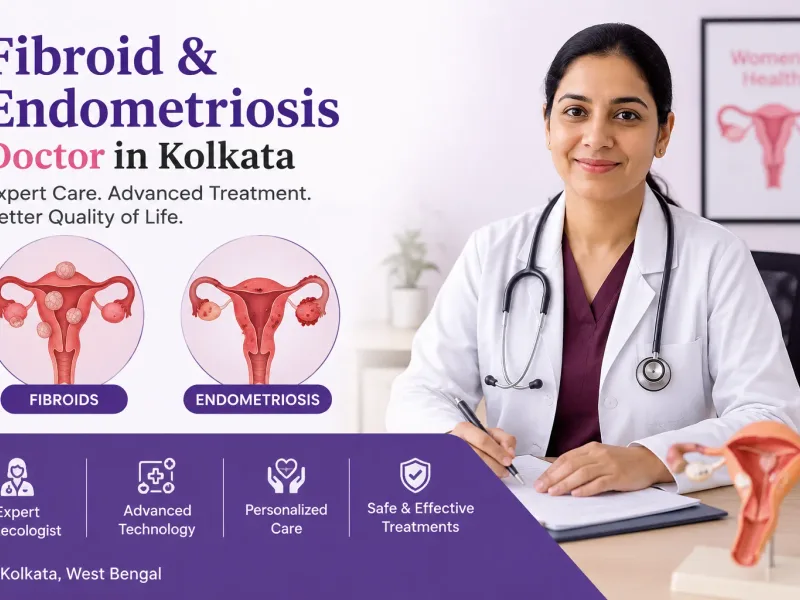
If you are searching for a Fibroid & Endometriosis doctor in Kolkata, choosing an experienced gynecologist with expertise in minimally invasive gynecological surgery is essential. Uterine fibroids and endometriosis are two common but different conditions that can cause pelvic pain, heavy menstrual b
July 31, 2026