

Emergency & Help
24/7 Emergency & General Advisory
🚨 24/7 Medical Emergency
Non-Emergency Advisory
10:00 AM – 6:00 PM, Mon–Sat
For appointments & general queries.
24/7 Emergency & General Advisory
🚨 24/7 Medical Emergency
Non-Emergency Advisory
10:00 AM – 6:00 PM, Mon–Sat
For appointments & general queries.
Explore Uterine Fibroid Embolization (UFE), a minimally invasive treatment for uterine fibroids. Learn about the procedure, its benefits, potential side effects, and what to expect.
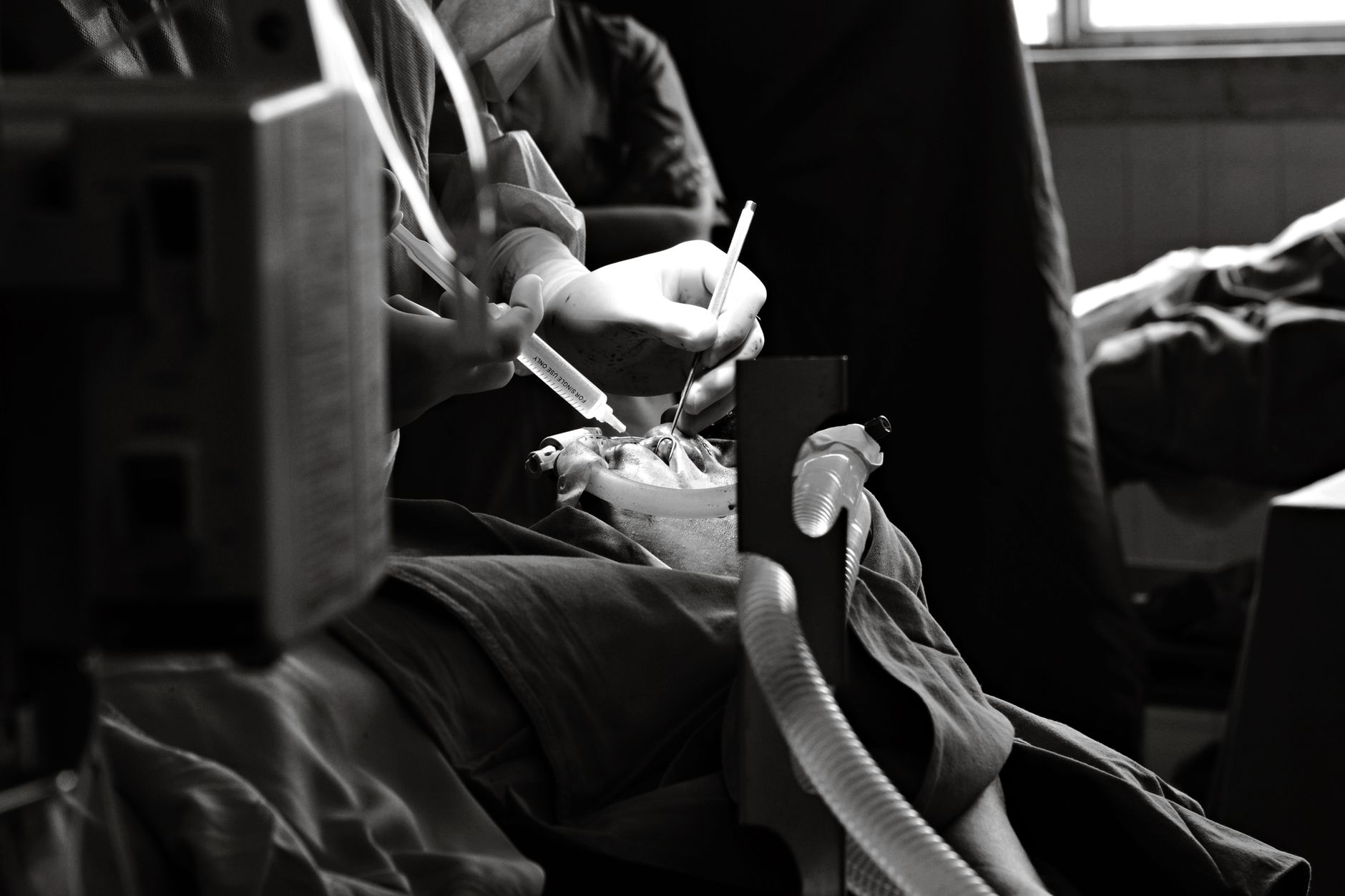
Uterine fibroids are common, non-cancerous growths that can cause a range of uncomfortable symptoms for many women. These benign tumors develop in the muscular wall of the uterus and can vary in size from small as a pea to as large as a grapefruit. While they are rarely cancerous, their presence can significantly impact a woman's quality of life, leading to heavy menstrual bleeding, pelvic pain, frequent urination, and even infertility issues. For years, surgery, such as a hysterectomy (removal of the uterus) or myomectomy (surgical removal of fibroids), were the primary treatment options. However, advancements in medical technology have introduced less invasive alternatives, with Uterine Fibroid Embolization (UFE) emerging as a popular and effective choice for many. Understanding Uterine Fibroids Before diving into UFE, it's essential to understand what uterine fibroids are. These growths arise from the smooth muscle cells in the wall of the uterus. Their exact cause remains unclear, but factors like hormones (estrogen and progesterone) and genetics are believed to play a role. Fibroids are incredibly common, with estimates suggesting that up to 80% of women may develop them by the time they reach menopause. However, not all fibroids cause symptoms. Many women live with them without any issues. When symptoms do arise, they can be quite distressing. Common Symptoms of Uterine Fibroids: Heavy or prolonged menstrual bleeding: This can range from soaking through pads or tampons every hour to bleeding for more than a week. Pelvic pain or pressure: Fibroids can cause a feeling of fullness or heaviness in the lower abdomen. Frequent urination or difficulty emptying the bladder: Large fibroids can press on the bladder. Constipation or bloating: Pressure on the bowels can lead to these issues. Pain during intercourse: This can be a distressing symptom for many women. Backaches or leg pains: Especially if the fibroids are pressing on nerves. Infertility or pregnancy complications: While many women with fibroids can conceive, large or strategically located fibroids can interfere with implantation or lead to miscarriage. Imagine a woman, Priya, in her late 30s, who has been experiencing increasingly heavy and painful periods for the past year. She finds herself constantly worried about leaks during the day, often canceling social plans due to the discomfort and fatigue. Her doctor suspects uterine fibroids after an initial examination and recommends exploring treatment options. What is Uterine Fibroid Embolization (UFE)? Uterine Fibroid Embolization, often referred to as UFE or sometimes Uterine Artery Embolization (UAE), is a minimally invasive procedure designed to treat symptomatic uterine fibroids. Unlike traditional surgery, UFE does not involve cutting into the uterus or removing it. Instead, it targets the blood supply that nourishes the fibroids. The principle behind UFE is simple yet effective: fibroids rely on a dedicated blood supply to grow. By blocking this blood supply, the fibroids are deprived of oxygen and nutrients, causing them to shrink and eventually die. This procedure was first developed in the 1990s and has since seen significant refinement in its techniques, making it a reliable option for many women. UFE is typically recommended for women who: Experience bothersome symptoms from their fibroids. Wish to avoid open surgery or hysterectomy. Are not planning future pregnancies, as there are some considerations regarding fertility after the procedure. How is UFE Performed? The UFE procedure is performed by an interventional radiologist, a specialist trained in minimally invasive image-guided procedures. Here’s a step-by-step look at what happens: Preparation: You will likely receive sedation or anesthesia to ensure you are comfortable and pain-free during the procedure. A local anesthetic will also be administered to the entry site, typically in the groin. Catheter Insertion: A small incision is made in the groin area, through which a thin, flexible tube called a catheter is inserted into an artery. Guided Navigation: Using real-time X-ray imaging (fluoroscopy), the doctor carefully guides the catheter through the blood vessels, navigating towards the uterine arteries that supply blood to the fibroids. A contrast dye is injected through the catheter to visualize the blood vessels and pinpoint the fibroid's blood supply. Embolization: Once the catheter is in place within the uterine artery feeding the fibroids, tiny particles, often made of plastic or gel, are injected. These particles travel through the catheter and lodge in the blood vessels supplying the fibroids, effectively blocking blood flow. This process is repeated for the artery supplying the other side of the uterus if necessary. Completion: The catheter is removed, and the small incision is bandaged. The entire procedure usually takes about an hour or so, depending on the complexity. What to Expect After UFE Recovery from UFE is generally much faster and less painful than recovery from open surgery. Most women can return to their normal daily activities within a week or two. Common Post-Procedure Experiences: Pain and Cramping: It is normal to experience pelvic pain and cramping for a few days after the procedure. This is often managed with pain medication. Vaginal Discharge: Some light vaginal discharge, possibly with a small amount of blood, is also common. Flu-like Symptoms: Some women report mild fever or general malaise for a day or two. Return to Normal Activities: Most people can resume light activities within a few days and return to work within a week. Strenuous activities should be avoided for a few weeks. It's important to follow your doctor's specific post-procedure instructions carefully. Potential Side Effects and Risks of UFE While UFE is considered a safe procedure with a high success rate, like any medical intervention, it carries potential risks and side effects. These are generally uncommon, and the benefits often outweigh the risks for suitable candidates. Short-Term Side Effects: Pain and cramping: As mentioned, this is common and usually manageable. Nausea and vomiting: May occur, especially in the first 24 hours. Fever: A low-grade fever is possible. Infection: In less than 1% of cases, an infection can occur in the uterus after UFE. Symptoms include fever, chills, and unusual vaginal discharge. Long-Term Considerations: Ovarian Function Changes: UFE can potentially affect ovarian function and egg quality due to altered blood flow to the ovaries. This can lead to premature ovarian insufficiency (POI), particularly in women over 45. Fertility and Pregnancy Outcomes: Studies suggest that pregnancy rates might be lower after UFE compared to myomectomy. There is limited extensive research on pregnancy outcomes following UFE, and it's a topic that requires careful discussion with your doctor if future pregnancy is a concern. Menstrual Changes: Periods may become lighter or heavier after UFE. Some women experience amenorrhea (cessation of periods), especially if they were close to menopause. Fibroid Recurrence: While UFE effectively shrinks fibroids, there's a possibility that new fibroids could develop over time, though this is less common than with some other treatments. It's crucial to have an open and honest conversation with your healthcare provider about these potential risks and how they might apply to your individual situation. When to Consult a Doctor If you are experiencing symptoms that you suspect might be due to uterine fibroids, it is important to seek medical advice. Early diagnosis and appropriate treatment can significantly improve your health and well-being. You should consult a doctor if you experience: Unusually heavy or prolonged menstrual bleeding. Persistent pelvic pain or pressure. Frequent urination or difficulty emptying your bladder. New or worsening symptoms related to fibroids. Concerns about fertility and fibroids. If you have undergone UFE and experience any signs of infection, such as high fever, chills, severe pain, or foul-smelling vaginal discharge, seek medical attention immediately. Living Well After UFE The goal of UFE is to alleviate the symptoms caused by fibroids, allowing women to regain their quality of life. Many women report significant improvement in their symptoms, leading to reduced pain, less bleeding, and an overall better sense of well-being. While it's a medical procedure, it opens the door to a life with fewer fibroid-related disruptions. Discussing your options thoroughly with your doctor is the first step towards making an informed decision about your health. Frequently Asked Questions (FAQ) about UFE: Q1: How long does it take for fibroids to shrink after UFE? While symptoms often improve within a few weeks, it can take up to 6 months for the fibroids to fully shrink after the procedure as they are gradually reabsorbed by the body. Q2: Can I get pregnant after UFE? While it is possible to get pregnant after UFE, the procedure may affect fertility. If you are considering future pregnancies, you should discuss this thoroughly with your doctor, as other treatment options like myomectomy might be more suitable. Q3: Is UFE a permanent solution? UFE is highly effective in shrinking existing fibroids and relieving symptoms. However, it doesn't prevent new fibroids from forming. In some cases, fibroids may recur over time. Q4: What is the main difference between UFE and myomectomy? UFE is a minimally invasive procedure that blocks blood flow to fibroids, causing them to shrink. Myomectomy is a surgical procedure that involves physically removing the fibroids from the uterus. UFE is generally quicker to recover
In summary, timely diagnosis, evidence-based treatment, and prevention-focused care improve long-term health outcomes.
Visit Hospital
Near You

A cesarean section (C-section) is a surgical delivery in which a baby is born through an incision in the mother's abdomen and uterus. In Kolkata, several experienced obstetricians and well-equipped hospitals offer C-section services for planned and emergency deliveries. Understanding when a C-sectio
July 31, 2026
If you are searching for a Menstrual Disorders in Adolescent Girls Doctor in Kolkata, early evaluation by an experienced gynecologist can help identify the underlying cause of irregular or painful periods. While menstrual irregularities are common during the first few years after puberty, persistent
July 31, 2026
If you are searching for a Fibroid & Endometriosis doctor in Kolkata, choosing an experienced gynecologist with expertise in minimally invasive gynecological surgery is essential. Uterine fibroids and endometriosis are two common but different conditions that can cause pelvic pain, heavy menstrual b
July 31, 2026