

Emergency & Help
24/7 Emergency & General Advisory
🚨 24/7 Medical Emergency
Non-Emergency Advisory
10:00 AM – 6:00 PM, Mon–Sat
For appointments & general queries.
24/7 Emergency & General Advisory
🚨 24/7 Medical Emergency
Non-Emergency Advisory
10:00 AM – 6:00 PM, Mon–Sat
For appointments & general queries.
Discover how to openly discuss uterine fibroids with your partner, covering symptoms, emotional impact, intimacy challenges, and building support together.

Uterine fibroids. The very words can bring a wave of emotions, can't they? If you've been diagnosed, you might be feeling a mix of confusion, worry, and perhaps even a little embarrassed. And if you're in a relationship, you're probably wondering, 'How do I even *start* this conversation with my partner?' It's not exactly a topic that comes up at the dinner table every day. But here's the thing: open communication is your superpower in navigating this health journey. Your partner wants to support you, but they can't read your mind. Talking about fibroids isn't just about sharing medical facts; it's about sharing your vulnerability, your fears, and your needs. It’s about strengthening your bond through a shared challenge.
Let's get clear on what fibroids are. They're basically noncancerous (benign) growths that can develop in or on your uterus. Think of them as unusual tissues. Most people with a uterus will develop them at some point, especially as they get older. But here's the thing: not everyone experiences symptoms. Some women have fibroids and feel absolutely nothing, completely unaware they're even there. Others, however, face a whole host of challenges.
The impact of fibroids is as unique as you are. It really depends on several factors:
These factors dictate the kind of symptoms you might experience, if any. Some people have minimal discomfort, while others deal with significant issues.
While some women sail through with no issues, others face:
It's easy to focus on the physical symptoms, but the emotional impact of fibroids is just as significant, and often overlooked. Living with chronic pain, unpredictable bleeding, and the worry of what's happening inside your body can take a serious toll. You might find yourself feeling:
Research from 2022 highlighted that women with fibroids often face a greater risk of developing depression or anxiety. This isn't something you're imagining; it's a real consequence of living with this condition. Your partner needs to understand this emotional side, too.
This is where the magic of communication happens. It might feel daunting, but it’s absolutely essential for a healthy relationship and for managing your fibroids together.
Start by educating your partner. They might have no idea what fibroids are or how they can affect you. Use simple, clear language. Explain:
Dr. Nicole Washington, chief medical officer of Elocin Psychiatric Services, wisely notes: "Creating opportunities for education for the partner can be immensely helpful." She adds, "Honestly, it isn't something that people talk about a lot in public settings, so unless they have a history of other loved ones with [fibroids], they may have no clue how impairing it can be. Allowing them to learn and ask questions can be a great start."
Don't carry this burden alone. Invite your partner to be part of your journey. Consider:
Fibroids can present challenges, especially when it comes to sexual intimacy. But with open communication and a willingness to explore solutions, you can navigate these challenges.
As mentioned, pain during intercourse is a real concern for many women with fibroids. According to 2021 research, several factors can trigger this pain. It's crucial to talk about this openly with your partner. Don't just endure the pain; address it.
Remember, the goal isn't to avoid intimacy, but to find ways to make it pleasurable and pain-free again. This requires patience, understanding, and a lot of communication with your partner.
While this guide focuses on communication, it's vital to know when to consult your doctor. You should definitely see a healthcare professional if you experience:
Your doctor can properly diagnose fibroids, discuss treatment options (which range from watchful waiting to medication to surgery), and manage any associated complications.
Navigating uterine fibroids can be challenging, but it also presents an opportunity to deepen your connection with your partner. By being open, honest, and willing to educate and involve them in your care, you can face this health issue as a team. Your partner's understanding and support can make a significant difference in your emotional well-being and your overall quality of life. Remember, you don't have to go through this alone. Talk, listen, and support each other every step of the way.
Visit Hospital
Near You

A cesarean section (C-section) is a surgical delivery in which a baby is born through an incision in the mother's abdomen and uterus. In Kolkata, several experienced obstetricians and well-equipped hospitals offer C-section services for planned and emergency deliveries. Understanding when a C-sectio
July 31, 2026
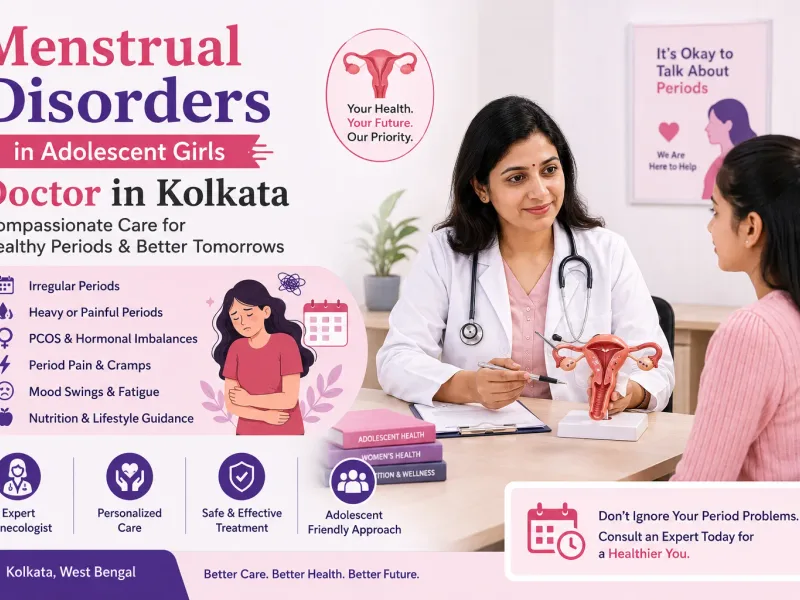
If you are searching for a Menstrual Disorders in Adolescent Girls Doctor in Kolkata, early evaluation by an experienced gynecologist can help identify the underlying cause of irregular or painful periods. While menstrual irregularities are common during the first few years after puberty, persistent
July 31, 2026
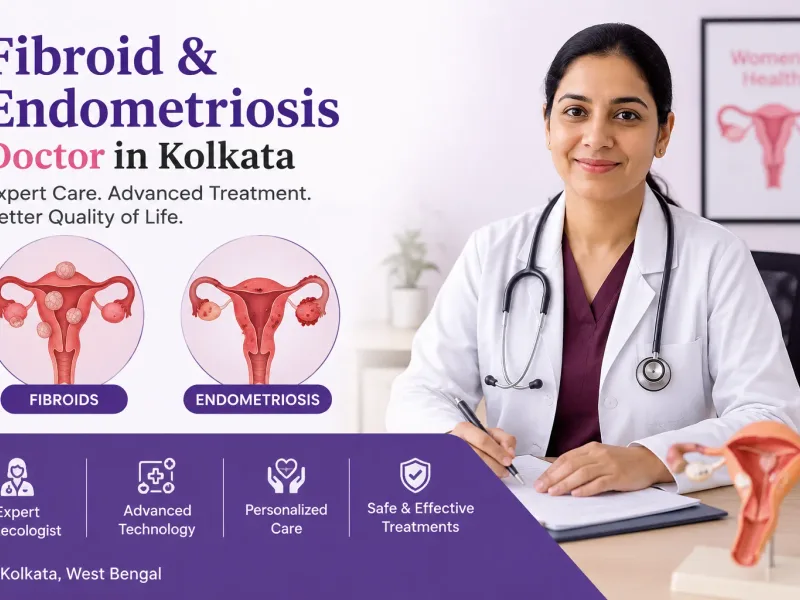
If you are searching for a Fibroid & Endometriosis doctor in Kolkata, choosing an experienced gynecologist with expertise in minimally invasive gynecological surgery is essential. Uterine fibroids and endometriosis are two common but different conditions that can cause pelvic pain, heavy menstrual b
July 31, 2026