

Emergency & Help
24/7 Emergency & General Advisory
🚨 24/7 Medical Emergency
Non-Emergency Advisory
10:00 AM – 6:00 PM, Mon–Sat
For appointments & general queries.
24/7 Emergency & General Advisory
🚨 24/7 Medical Emergency
Non-Emergency Advisory
10:00 AM – 6:00 PM, Mon–Sat
For appointments & general queries.
Vabbing, the trend of using vaginal secretions as a natural perfume, has sparked curiosity. We explore what it is, the science behind it, its safety, and whether it truly works.

Ever heard of 'vabbing'? It sounds a bit unusual, right? This trend, which combines the words 'vagina' and 'dabbing', involves using your own vaginal secretions as a kind of natural perfume. The idea is simple, yet intriguing: you dab these natural fluids on certain points of your body, like behind your ears or on your wrists, hoping to attract potential partners. It’s a practice that’s been whispered about in certain circles and has even popped up in discussions on podcasts and social media. But does it actually hold any scientific backing, or is it just another fleeting trend? Let’s explore what vabbing is all about, the science (or lack thereof) behind it, and what you need to know if you’re considering trying it.
At its core, vabbing is a practice where individuals collect their vaginal discharge and apply it to their bodies, similar to how one would apply perfume. The theory behind this practice is that vaginal secretions contain pheromones. Pheromones are chemical substances that some animals release to attract mates. The hope is that by applying these secretions, humans can also tap into this primal form of attraction. It’s a practice that’s gained some traction, particularly after sexologists and influencers have spoken about their personal experiences with it. The notion is that these natural scents can make you more alluring to others, boosting your confidence and attractiveness.
This is where things get interesting, and perhaps a little disappointing for proponents of vabbing. While the idea of using natural body scents for attraction is rooted in the concept of pheromones, the scientific evidence for human pheromones, especially in the context of attraction, is quite thin.
In the animal kingdom, pheromones are well-established communication tools. They play a significant role in mating rituals, territorial marking, and social signaling. However, when it comes to humans, the existence and function of pheromones are much more debated. While some studies have explored substances like androstadienone (AND) and estratetraenol (EST), which are found in human bodily fluids, their impact on human attraction, mood, or behavior remains largely inconclusive.
A review from 2012 looked at whether pheromones affect human reproduction and arousal. More recently, a 2017 study investigated AND and EST, observing how participants rated photographs based on attractiveness and potential unfaithfulness. However, this particular study found no correlation between these substances and the ratings given. The researchers concluded that if human sex pheromones do influence our judgments, they are unlikely to be these specific compounds. Essentially, the scientific community has not found robust evidence to support the idea that these specific chemicals in vaginal secretions can significantly influence human attraction.
It’s important to remember that vaginal discharge is a normal and healthy bodily function. Your vagina produces secretions for several reasons: to keep itself clean, to maintain a healthy pH balance, and to provide lubrication. These fluids are a sign of a healthy reproductive system, not necessarily an attractant. While some people might feel a boost in confidence from the act of vabbing itself, the direct scientific link between vaginal secretions and attracting a partner is not established.
Despite the lack of scientific evidence, vabbing continues to be a topic of discussion. Why? Several reasons might explain its appeal:
From a safety perspective, vabbing is generally considered low-risk. Your vaginal secretions are a natural part of your body, and applying them to your skin is unlikely to cause harm. There’s no scientific reason to believe that vabbing would be unsafe. However, it’s essential to maintain good hygiene. Ensure your hands are clean before collecting and applying any secretions.
It’s also wise to be aware of your body’s signals. If you notice any unusual changes in your vaginal discharge, such as a change in color, odor, or consistency, it’s important to consult a doctor. These changes could indicate an infection or other health issue that needs medical attention, and these secretions should not be used for vabbing.
While vabbing itself isn’t inherently dangerous, you should always be attentive to your vaginal health. Consult a doctor if you experience any of the following:
These symptoms could indicate common conditions like bacterial vaginosis (BV), yeast infections, or sexually transmitted infections (STIs), all of which require proper medical diagnosis and treatment. Using discharge from an infected state for vabbing would not only be ineffective for attraction but could also potentially spread infection.
So, does vabbing work? Scientifically speaking, there’s no concrete evidence to suggest that applying vaginal secretions will make you more attractive to others through pheromonal attraction. The science on human pheromones is still murky, and the studies that exist don’t strongly support the idea.
However, the practice might offer psychological benefits. If you feel more confident, empowered, and sensual by vabbing, then it might ‘work’ for you in that sense. It’s a personal choice, and if done with good hygiene and without neglecting any signs of potential health issues, there’s no significant harm in trying it out of curiosity or for a personal confidence boost. Just remember that true attraction is complex and involves much more than just scent.
The term 'vabbing' gained more attention around 2019, but the concept of using natural body scents for attraction isn't entirely new. It has been discussed more openly recently due to social media and sexologists sharing their experiences.
Applying your own healthy vaginal secretions is unlikely to cause an infection. However, it's crucial to practice good hygiene and to never use secretions if you suspect an infection. If you have any signs of infection, consult a doctor immediately.
The amount of vaginal discharge can vary significantly between individuals and throughout the menstrual cycle. If you don't produce a noticeable amount, vabbing might not be a practical option for you. Additionally, very little discharge might indicate dryness, which could be a sign of other health factors to discuss with your doctor.
If you're interested in natural scents or boosting your allure, consider exploring other avenues. Many people find confidence through personal style, engaging conversation, good hygiene, and a positive attitude. You could also explore natural perfumes or essential oils known for their pleasant aromas, ensuring you're not allergic to them.
Visit Hospital
Near You
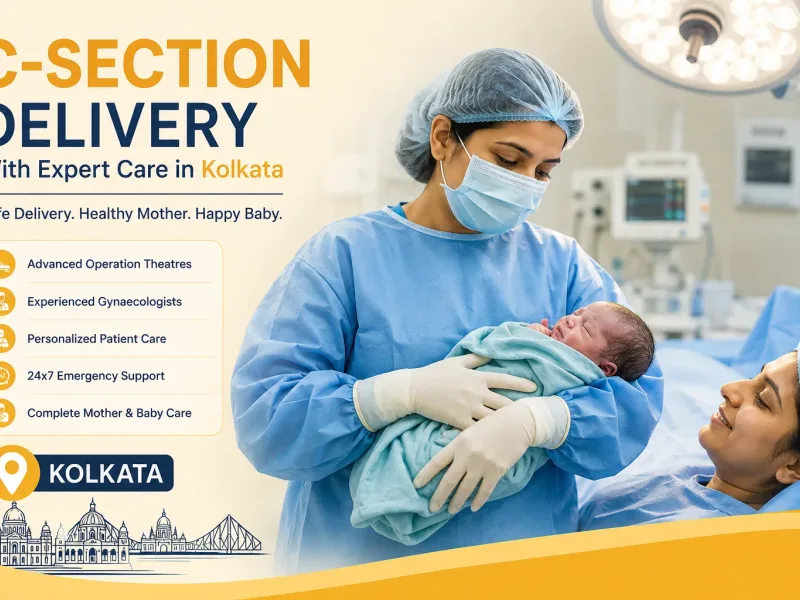
A cesarean section (C-section) is a surgical delivery in which a baby is born through an incision in the mother's abdomen and uterus. In Kolkata, several experienced obstetricians and well-equipped hospitals offer C-section services for planned and emergency deliveries. Understanding when a C-sectio
July 31, 2026
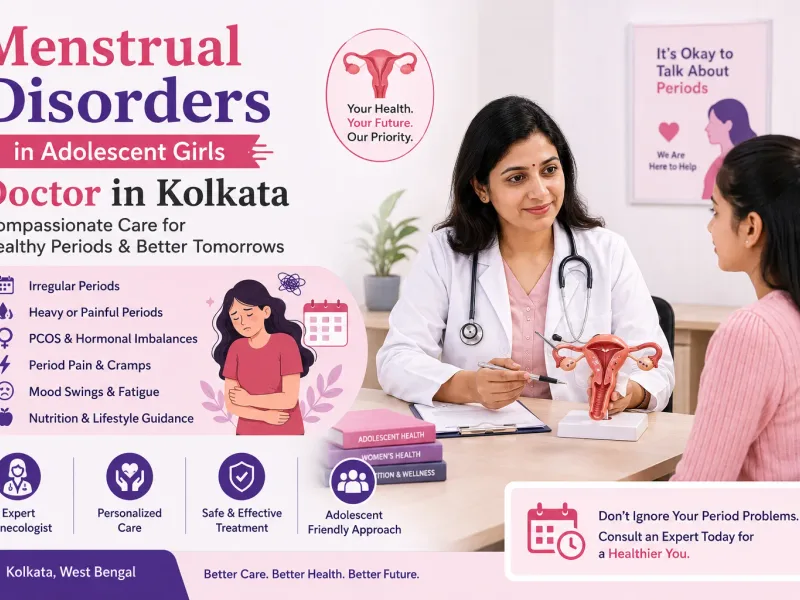
If you are searching for a Menstrual Disorders in Adolescent Girls Doctor in Kolkata, early evaluation by an experienced gynecologist can help identify the underlying cause of irregular or painful periods. While menstrual irregularities are common during the first few years after puberty, persistent
July 31, 2026
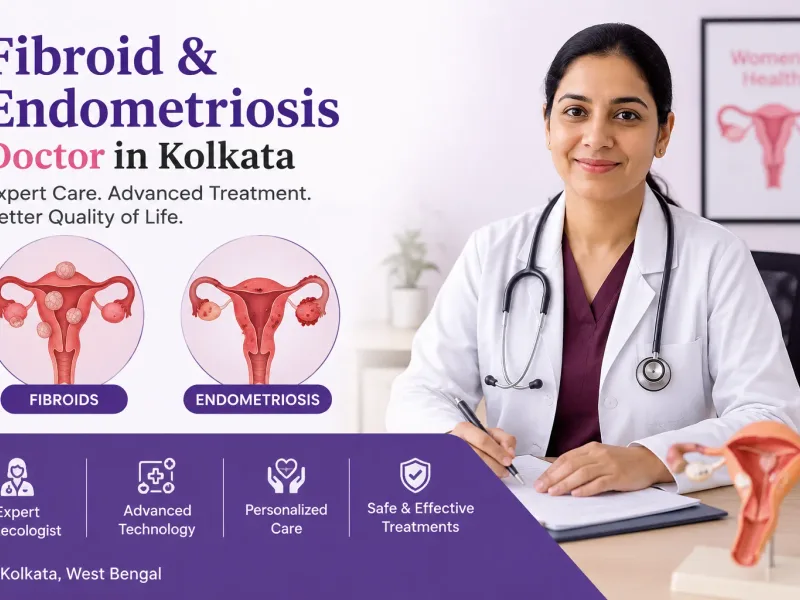
If you are searching for a Fibroid & Endometriosis doctor in Kolkata, choosing an experienced gynecologist with expertise in minimally invasive gynecological surgery is essential. Uterine fibroids and endometriosis are two common but different conditions that can cause pelvic pain, heavy menstrual b
July 31, 2026