

Emergency & Help
24/7 Emergency & General Advisory
🚨 24/7 Medical Emergency
Non-Emergency Advisory
10:00 AM – 6:00 PM, Mon–Sat
For appointments & general queries.
24/7 Emergency & General Advisory
🚨 24/7 Medical Emergency
Non-Emergency Advisory
10:00 AM – 6:00 PM, Mon–Sat
For appointments & general queries.
Learn about vulvitis, its causes, symptoms, diagnosis, and effective treatment and prevention strategies for women's vulvar health. Get practical tips for Indian readers.

Vulvitis, a term encompassing inflammation, irritation, or itchiness of the vulva, is a common condition that can affect women of all ages. While often used interchangeably with 'vagina,' the vulva refers to the external female genitalia, including the pubic mound, outer and inner labia, and the clitoral glans. The vagina, on the other hand, is the internal canal connecting the uterus to the outside of the body. Understanding this distinction is crucial when discussing vulvitis and its management.
This condition can manifest with symptoms such as itchiness, redness, flakiness, slight puffiness of the delicate skin, and in some cases, blisters or lesions. Other signs may include thick, scaly patches or cracks, changes in skin color on the pubic mound or labia, and alterations in vaginal discharge, including its color, consistency, amount, or scent.
Vulvitis is typically triggered by contact with external irritants. However, internal irritants within the vaginal canal can also lead to external symptoms. Common culprits include:
Beyond irritants, several underlying medical conditions can also cause vulvitis:
Vulvitis is a common condition that can affect women of any age, from adolescence to postmenopause. Individuals who are prone to skin reactions or have sensitive skin elsewhere on their body are more likely to develop vulvitis. Certain populations are also at a higher risk due to specific underlying conditions, as mentioned above.
If you suspect you have vulvitis, it is essential to consult a healthcare professional for an accurate diagnosis. The diagnostic process typically involves:
A thorough medical history and physical examination are crucial in identifying the underlying cause of vulvitis.
The treatment for vulvitis depends on the underlying cause. The primary goal is to alleviate symptoms and address the root issue.
It is vital to follow your doctor's treatment plan precisely to ensure effective recovery and prevent recurrence.
Preventing vulvitis involves adopting good hygiene practices and being mindful of potential irritants:
It is important to seek medical advice if you experience any of the following:
Early diagnosis and appropriate treatment are key to managing vulvitis effectively and maintaining overall vulvar health. By understanding the causes, symptoms, and preventive measures, women can take proactive steps to care for this sensitive area.
Visit Hospital
Near You

A cesarean section (C-section) is a surgical delivery in which a baby is born through an incision in the mother's abdomen and uterus. In Kolkata, several experienced obstetricians and well-equipped hospitals offer C-section services for planned and emergency deliveries. Understanding when a C-sectio
July 31, 2026
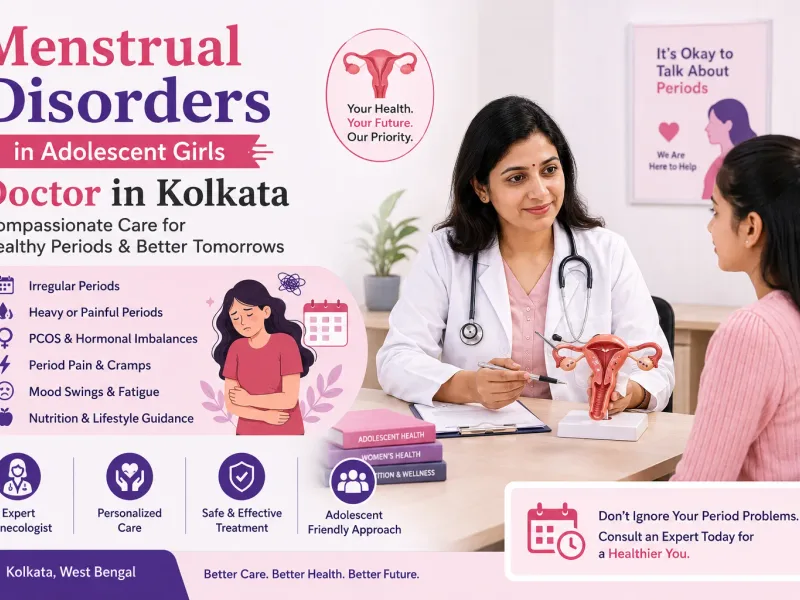
If you are searching for a Menstrual Disorders in Adolescent Girls Doctor in Kolkata, early evaluation by an experienced gynecologist can help identify the underlying cause of irregular or painful periods. While menstrual irregularities are common during the first few years after puberty, persistent
July 31, 2026
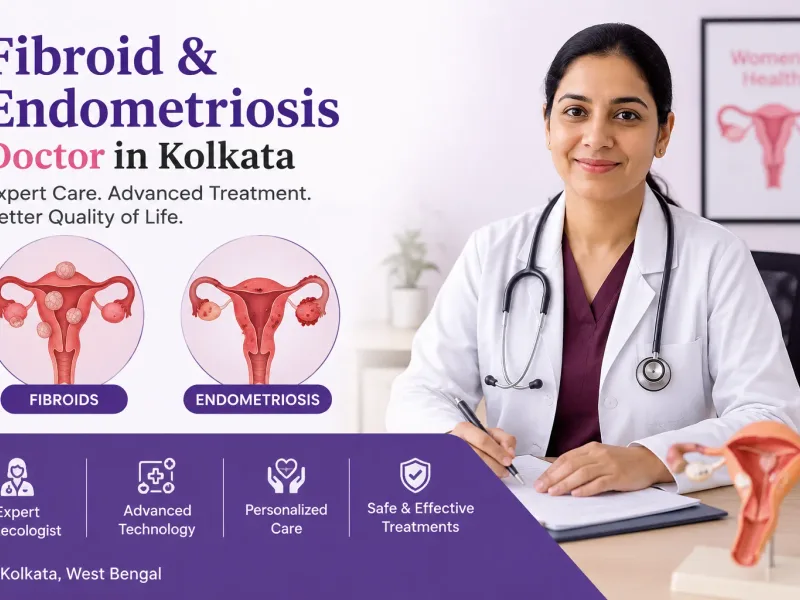
If you are searching for a Fibroid & Endometriosis doctor in Kolkata, choosing an experienced gynecologist with expertise in minimally invasive gynecological surgery is essential. Uterine fibroids and endometriosis are two common but different conditions that can cause pelvic pain, heavy menstrual b
July 31, 2026