

Emergency & Help
24/7 Emergency & General Advisory
🚨 24/7 Medical Emergency
Non-Emergency Advisory
10:00 AM – 6:00 PM, Mon–Sat
For appointments & general queries.
24/7 Emergency & General Advisory
🚨 24/7 Medical Emergency
Non-Emergency Advisory
10:00 AM – 6:00 PM, Mon–Sat
For appointments & general queries.
Stay updated with our latest healthcare news and your appointments.
Explore how cannabis, including CBD and THC, might help with period cramps. Learn about the science, potential benefits, risks, legal aspects, and forms of use, alongside conventional treatments. Always consult a doctor before use.

Period cramps, medically known as dysmenorrhea, affect a vast majority of menstruating individuals, ranging from mild discomfort to debilitating pain that interferes with daily life. For centuries, women have sought relief through various remedies, from traditional herbs to modern pharmaceuticals. In recent years, with the evolving legal landscape and increasing public interest in cannabis, many are wondering: can weed help with period cramps?
This comprehensive guide delves into the science, potential benefits, risks, and practical considerations of using cannabis for menstrual pain. While research is still emerging, understanding the current knowledge can help individuals make informed decisions in consultation with their healthcare providers.
Dysmenorrhea is characterized by painful cramps in the lower abdomen, typically occurring just before or during menstruation. It can be categorized into two main types:
Beyond the characteristic lower abdominal pain, symptoms can vary but commonly include:
The primary cause of primary dysmenorrhea is the release of prostaglandins, particularly prostaglandin F2α (PGF2α), from the uterine lining. High levels of PGF2α lead to stronger, more frequent, and often painful uterine contractions, reducing blood flow to the uterus and causing pain. For secondary dysmenorrhea, the underlying condition dictates the cause of pain.
If you experience severe or persistent period pain, it's crucial to consult a doctor. Diagnosis typically involves:
Cannabis contains compounds called cannabinoids, the most well-known being delta-9-tetrahydrocannabinol (THC) and cannabidiol (CBD). These compounds interact with the body's endocannabinoid system (ECS), a complex cell-signaling system that plays a crucial role in regulating various physiological processes, including pain, mood, appetite, and inflammation.
The ECS consists of endocannabinoids (cannabinoids produced by the body), receptors (CB1 and CB2), and enzymes that break down endocannabinoids. CB1 receptors are primarily found in the brain and central nervous system, influencing pain perception, mood, and motor control. CB2 receptors are more prevalent in immune cells and peripheral tissues, playing a role in inflammation and immune response.
Both THC and CBD have demonstrated anti-inflammatory and analgesic (pain-relieving) properties in various studies, primarily in animal models and cell cultures. By modulating the ECS, cannabinoids can help reduce the perception of pain and decrease inflammation, which are key components of menstrual cramp discomfort.
Despite growing interest, direct, high-quality clinical research on cannabis specifically for dysmenorrhea in humans is limited. Most of the evidence supporting its use comes from:
While specific studies on cannabis for period cramps are scarce, research into cannabis for chronic pain, neuropathic pain, and inflammatory conditions suggests potential benefits. For example, some studies indicate that cannabinoids can reduce muscle spasms and inflammation, both of which contribute to menstrual pain. However, these findings are often from studies on other conditions and may not directly translate to dysmenorrhea.
Many individuals report significant relief from menstrual pain after using cannabis products, particularly CBD-rich strains or topicals. Testimonials often highlight reduced pain intensity, muscle relaxation, and improved mood during their period. This anecdotal evidence, while compelling, does not replace the need for rigorous scientific investigation.
"While personal experiences can be powerful, it's crucial to remember that individual responses to cannabis vary widely due to factors like dosage, product type, and individual physiology. What works for one person may not work for another."
Based on the known mechanisms of cannabinoids and anecdotal reports, cannabis may alleviate period cramps through several pathways:
Cannabinoids, especially THC, can alter pain perception by interacting with CB1 receptors in the central nervous system. CBD also has pain-relieving effects through various mechanisms, including modulating serotonin receptors and vanilloid receptors (TRPV1), which are involved in pain transmission.
The uterus is a muscle, and painful cramps are essentially strong uterine contractions. Both THC and CBD have shown muscle relaxant properties, which could potentially ease the intensity of these contractions and reduce spasmodic pain.
Prostaglandins cause inflammation, a major contributor to primary dysmenorrhea. CBD, in particular, is a potent anti-inflammatory agent, and by reducing inflammation, it could help lessen the severity of period cramps.
Many women experience mood changes, anxiety, and nausea during their periods. Cannabis, especially certain strains or CBD products, can help alleviate anxiety, improve mood, and reduce nausea and vomiting, thereby improving overall comfort during menstruation.
Cannabis products come in various forms, each with different onset times, durations, and effects. The choice depends on personal preference, desired effects, and legal availability.
For period cramps, many gravitate towards CBD-dominant products or those with a balanced CBD:THC ratio to minimize psychoactive effects while still benefiting from the entourage effect (synergistic action of multiple cannabinoids and terpenes).
While cannabis offers potential benefits, it's not without risks, especially with THC-containing products.
THC can cause euphoria, altered perception, impaired coordination, and cognitive function. These effects can interfere with daily activities, driving, and work. High doses can lead to anxiety, paranoia, or panic attacks.
Cannabis can interact with various medications, including blood thinners, sedatives, antidepressants, and medications metabolized by the liver's cytochrome P450 enzymes. Always consult your doctor before combining cannabis with other medications.
Long-term use of cannabis, especially smoking, can have respiratory impacts. There's also a risk of developing cannabis use disorder, particularly with frequent use of high-THC products. The impact on hormonal balance and reproductive health is still being researched.
The legal status of cannabis varies widely by country, state, and even local jurisdiction. It's crucial to understand and comply with local laws regarding possession, purchase, and use of cannabis products. Even in areas where medical or recreational cannabis is legal, specific regulations apply.
If you're considering using cannabis for period cramps, keep the following in mind:
This is the most critical step. Your doctor can help determine the cause of your cramps, discuss potential risks and benefits of cannabis in your specific case, and advise on appropriate dosing and product types, especially if you have underlying health conditions or are taking other medications.
Familiarize yourself with the legal status of cannabis in your region. Using illegal products can have serious legal consequences.
If you decide to try cannabis, especially products containing THC, begin with a very low dose and gradually increase it until you find the minimum effective dose. This approach helps minimize side effects and find what works best for your body.
Purchase cannabis products from licensed dispensaries or reputable sources that provide third-party lab testing results. This ensures product purity, potency, and freedom from contaminants like pesticides, heavy metals, and mold.
Before considering cannabis, or in conjunction with it, several established treatments can effectively manage period cramps.
Oral contraceptives, patches, rings, and hormonal IUDs can significantly reduce period pain by thinning the uterine lining and reducing prostaglandin production, leading to lighter periods and fewer cramps.
While period cramps are common, certain symptoms warrant a doctor's visit:
The legality of cannabis for any use, including period cramps, depends entirely on your location. In many places, medical cannabis is legal with a prescription for certain conditions, and recreational cannabis is legal in others. Always check your local and state/national laws.
Pure CBD products, especially those derived from hemp (containing less than 0.3% THC), are non-psychoactive and will not get you high. Full-spectrum CBD products may contain trace amounts of THC, which is typically not enough to cause intoxication, but this can vary. THC is the primary psychoactive compound.
There's no single "best" way, as it depends on individual preference, desired onset/duration, and potential side effects. Topicals and suppositories offer localized relief without psychoactive effects. Oral products (edibles, tinctures) provide longer-lasting systemic relief. Inhalation offers rapid relief but may have respiratory risks. Discuss options with a healthcare provider.
While anecdotal evidence suggests certain indica strains or those high in CBD and specific terpenes (like myrcene for muscle relaxation) might be beneficial, scientific research on strain-specific effects for dysmenorrhea is lacking. The "best" strain is highly individual. Focus on products with known cannabinoid ratios and reliable lab testing.
The idea of using cannabis to alleviate period cramps is gaining traction, driven by both anecdotal success stories and a growing understanding of the endocannabinoid system's role in pain and inflammation. While preliminary scientific findings on cannabis's analgesic and anti-inflammatory properties are promising, direct clinical research on its efficacy for dysmenorrhea remains limited.
For those considering cannabis for period pain, it's essential to approach it with caution and an informed perspective. Always prioritize consultation with a healthcare professional to discuss your symptoms, explore all treatment options, and understand the potential risks, benefits, and legal implications of cannabis use. Conventional treatments and lifestyle modifications remain cornerstone therapies for managing menstrual discomfort. As research continues, we will gain a clearer picture of cannabis's role in women's health.
Visit Hospital
Near You

A cesarean section (C-section) is a surgical delivery in which a baby is born through an incision in the mother's abdomen and uterus. In Kolkata, several experienced obstetricians and well-equipped hospitals offer C-section services for planned and emergency deliveries. Understanding when a C-sectio
July 31, 2026
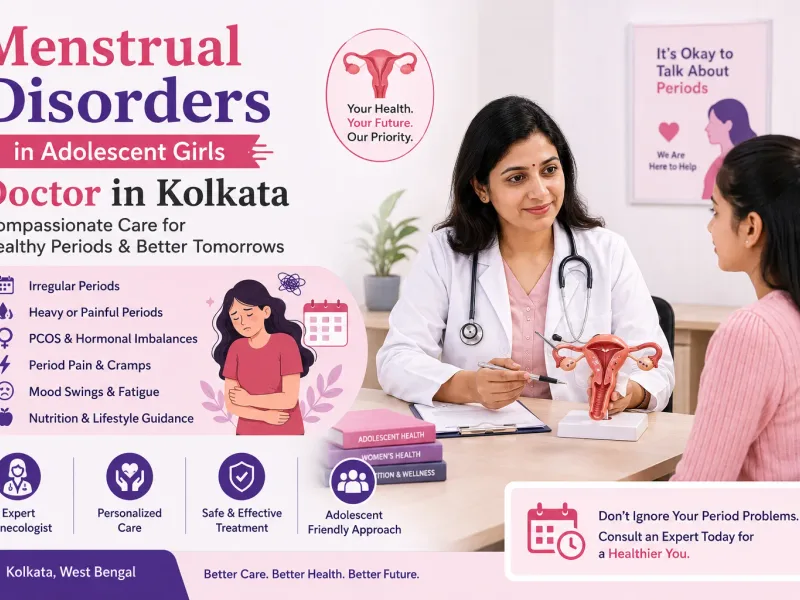
If you are searching for a Menstrual Disorders in Adolescent Girls Doctor in Kolkata, early evaluation by an experienced gynecologist can help identify the underlying cause of irregular or painful periods. While menstrual irregularities are common during the first few years after puberty, persistent
July 31, 2026
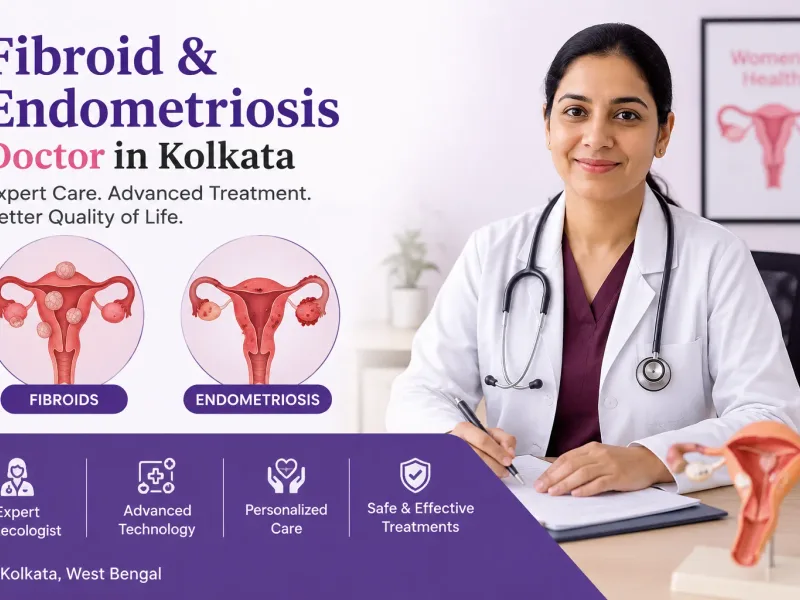
If you are searching for a Fibroid & Endometriosis doctor in Kolkata, choosing an experienced gynecologist with expertise in minimally invasive gynecological surgery is essential. Uterine fibroids and endometriosis are two common but different conditions that can cause pelvic pain, heavy menstrual b
July 31, 2026