

Emergency & Help
24/7 Emergency & General Advisory
🚨 24/7 Medical Emergency
Non-Emergency Advisory
10:00 AM – 6:00 PM, Mon–Sat
For appointments & general queries.
24/7 Emergency & General Advisory
🚨 24/7 Medical Emergency
Non-Emergency Advisory
10:00 AM – 6:00 PM, Mon–Sat
For appointments & general queries.
Experiencing breast pain and heaviness? Understand the common causes, from hormonal shifts and weight changes to pregnancy and breastfeeding. Learn when it's normal and when to consult a doctor for diagnosis and relief.

It’s a common experience for many women: your breasts feel tender, achy, and uncomfortably heavy. This sensation can range from a mild annoyance to a significant source of discomfort, impacting your daily life and causing worry. But what exactly causes this feeling, and when should you be concerned? Let’s explore the intricate world of breast tissue and understand the factors that contribute to pain and heaviness. Understanding Breast Tissue and Its Changes Our breasts are not static structures. They are dynamic organs, composed of glandular tissue, fat, and connective tissue. Their size, density, and feel can change significantly throughout a woman's life, largely influenced by hormonal fluctuations. Think about it: your breasts change during puberty, the menstrual cycle, pregnancy, breastfeeding, and menopause. These changes are a normal part of a woman's physiology, but they can sometimes lead to discomfort. The average breast size and weight vary greatly. Genetics plays a role, but so do lifestyle factors like weight fluctuations. It’s important to remember that there’s no single “normal” breast. What feels heavy or causes pain for one woman might be perfectly comfortable for another. The key is understanding your own body and recognizing when changes might warrant attention. Factors Influencing Breast Size and Heaviness Several factors can contribute to your breasts feeling heavier or causing pain: Weight Fluctuations: Gaining weight often leads to an increase in breast size as fatty tissue accumulates. Conversely, losing weight can decrease breast size. Even though fatty tissue is lighter than glandular tissue, a significant increase in overall breast volume due to weight gain can still lead to a feeling of heaviness. Sometimes, a pound of breast tissue can equate to about three cup sizes, so even moderate weight changes can have a noticeable impact. Hormonal Changes: Hormones, particularly estrogen and progesterone, are major players in breast tissue development and function. During the menstrual cycle, rising levels of these hormones can cause the glands and ducts in your breasts to enlarge and retain fluid, leading to tenderness and a feeling of fullness or heaviness. This is particularly noticeable in the week or two before your period. Pregnancy and Breastfeeding: These are periods of significant hormonal shifts. During pregnancy, your breasts prepare for milk production, often increasing in size and tenderness. After childbirth, during breastfeeding, the milk-producing glands are active, and the breasts can feel very full and heavy, especially between feedings as milk accumulates. Fluctuations in milk supply can also contribute to this sensation. Menopause: As women approach menopause, estrogen levels decrease, leading to a shrinkage of ducts and glandular tissue. However, this hormonal shift can also be accompanied by weight gain or a change in body composition (more fat, less muscle). These combined factors can alter the texture and weight of the breasts, sometimes making them feel heavier. Medical Conditions: While less common, certain medical conditions can affect breast tissue and cause heaviness or pain. These include infections, inflammation, or the presence of abnormal tissue, such as cysts or tumors. Breast cancer, though a significant concern, is not the most common cause of breast pain or heaviness. Fibrocystic changes, a benign condition characterized by lumps and discomfort, are also frequent culprits. Gynecomastia, a condition causing breast enlargement in men due to hormonal imbalances, can also occur. Cyclical vs. Noncyclical Breast Pain Understanding the timing of your breast discomfort can be a helpful diagnostic clue. Breast pain and heaviness are often categorized into two main types: Cyclical Breast Pain: This is the most common type and is directly related to your menstrual cycle. It typically occurs in the week or two leading up to your period and resolves once your period begins. The pain is often felt in both breasts, particularly in the upper outer quadrants, and is described as a dull, heavy, or aching sensation. It’s usually worse with larger, heavier breasts. Noncyclical Breast Pain: This type of pain is not related to your menstrual cycle. It can occur at any time during your cycle and may be felt in a specific area of one breast or be more localized. Causes can include infections (mastitis), injuries, cysts, medication side effects, or even referred pain from the chest wall or muscles. Noncyclical pain might feel like a sharp, burning, or stabbing sensation. When Should You Worry? While many causes of breast heaviness and pain are benign and related to normal physiological changes, it’s essential to know when to seek medical advice. It’s natural to feel concerned, and paying attention to your body is always wise. You should consult a doctor if: Your breast pain is severe and interferes with your daily activities. You notice a new lump or thickening in your breast or underarm. There is a change in the size or shape of your breast. You observe skin changes, such as redness, dimpling, or puckering. You experience nipple discharge, especially if it’s bloody or occurs spontaneously. Your breast pain is persistent and not related to your menstrual cycle. You experience sudden, unexplained breast heaviness or pain. Remember, early detection is key for many breast conditions. Don’t hesitate to reach out to your healthcare provider if you have any concerns. Diagnosis and What to Expect When you visit your doctor about breast pain or heaviness, they will likely start by taking a detailed medical history and performing a physical examination. They’ll ask about the nature of your pain, its timing, and any other symptoms you’re experiencing. They will also examine your breasts for any lumps, changes in skin texture, or nipple discharge. Depending on your symptoms and medical history, your doctor may recommend further diagnostic tests: Mammogram: A standard screening tool for breast cancer, mammograms can also help identify other abnormalities in breast tissue. Regular screenings are recommended, especially for women over a certain age. Ultrasound: This imaging technique uses sound waves to create detailed images of breast tissue. It is particularly useful for differentiating between solid masses (like tumors) and fluid-filled cysts. Biopsy: If any suspicious areas are found, a biopsy may be necessary. This involves taking a small sample of tissue for examination under a microscope to determine if it is cancerous or benign. Management and Relief Strategies The approach to managing breast pain and heaviness depends entirely on the underlying cause. For cyclical pain, lifestyle modifications and simple remedies can often provide relief: Supportive Bra: Wearing a well-fitting, supportive bra, especially a sports bra, can help reduce strain on breast tissue and alleviate discomfort, particularly during exercise or for women with larger breasts. Pain Relievers: Over-the-counter pain relievers like ibuprofen or naproxen can help manage discomfort. Dietary Changes: Some women find that reducing their intake of caffeine and salt can lessen breast tenderness. Warm or Cold Compresses: Applying a warm compress or a cold pack to the affected area can provide soothing relief. Topical Treatments: Certain creams or gels containing anti-inflammatory agents might offer localized relief. For noncyclical pain or pain related to specific conditions, your doctor will tailor a treatment plan. This might involve antibiotics for infections, drainage of cysts, or specific therapies for underlying medical issues. If breast size itself is the primary cause of discomfort and significantly impacts your quality of life, breast reduction surgery might be considered, though this is a major decision with its own set of risks and benefits. Prevention Tips While you can’t always prevent breast pain or heaviness, especially when it’s linked to hormonal cycles or pregnancy, some lifestyle choices can help minimize discomfort and promote overall breast health: Maintain a Healthy Weight: Keeping your weight within a healthy range can help prevent excessive breast enlargement and associated discomfort. Wear a Supportive Bra: Especially during physical activity, a good bra is essential. Ensure your bra fits properly and provides adequate support. Regular Exercise: Staying active can improve circulation and overall well-being. However, always wear a supportive sports bra during exercise. Balanced Diet: A nutritious diet rich in fruits, vegetables, and whole grains supports overall health, including breast health. Limit Caffeine and Alcohol: Some studies suggest that reducing intake of caffeine and alcohol may help alleviate breast tenderness for some women. Manage Stress: Chronic stress can affect hormonal balance. Practicing stress-management techniques like yoga, meditation, or deep breathing can be beneficial. Frequently Asked Questions (FAQs) Q1: Is breast pain always a sign of breast cancer? A: No, absolutely not. In fact, breast pain is rarely the only symptom of breast cancer. Most breast pain is benign and related to hormonal changes, particularly cyclical pain associated with your menstrual cycle. While it’s important to get any persistent or concerning breast changes checked by a doctor, breast pain alone is usually not indicative of cancer. Q2: Can large breasts cause health problems? A: Yes, very large and heavy breasts can lead to several physical issues beyond just discomfort. These can include chronic neck, shoulder, and back pain, poor posture, skin irritation under the breasts, headaches, and difficulty finding comfortable clothing or participating in physical activities. In such cases, a medical evaluation is important to discuss management options.
In summary, timely diagnosis, evidence-based treatment, and prevention-focused care improve long-term health outcomes.
Visit Hospital
Near You

A cesarean section (C-section) is a surgical delivery in which a baby is born through an incision in the mother's abdomen and uterus. In Kolkata, several experienced obstetricians and well-equipped hospitals offer C-section services for planned and emergency deliveries. Understanding when a C-sectio
July 31, 2026
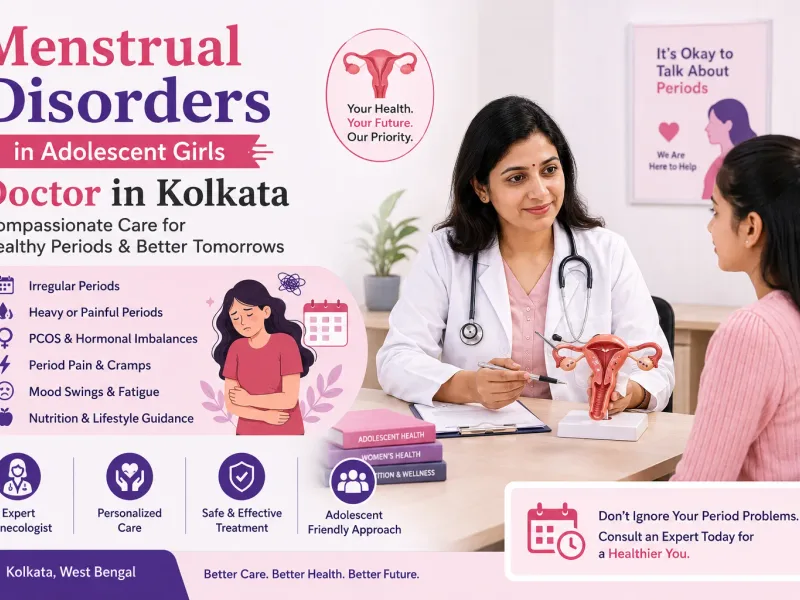
If you are searching for a Menstrual Disorders in Adolescent Girls Doctor in Kolkata, early evaluation by an experienced gynecologist can help identify the underlying cause of irregular or painful periods. While menstrual irregularities are common during the first few years after puberty, persistent
July 31, 2026
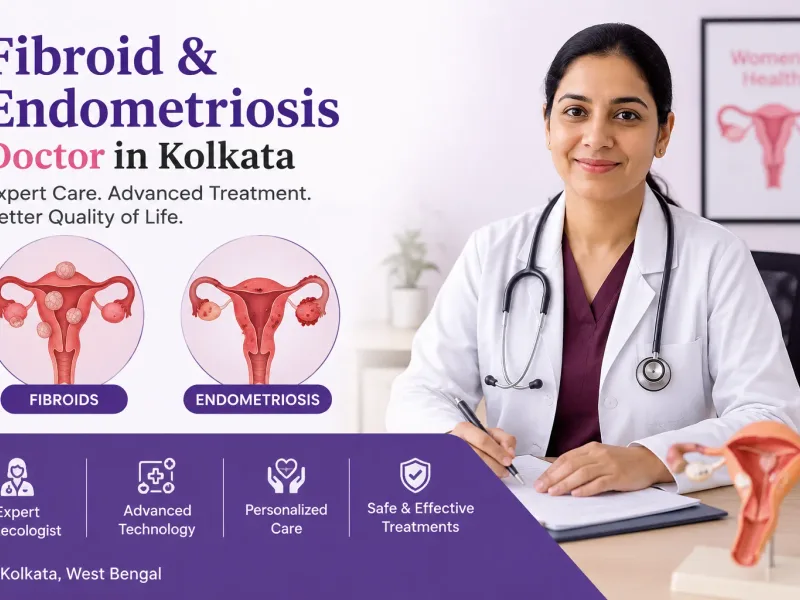
If you are searching for a Fibroid & Endometriosis doctor in Kolkata, choosing an experienced gynecologist with expertise in minimally invasive gynecological surgery is essential. Uterine fibroids and endometriosis are two common but different conditions that can cause pelvic pain, heavy menstrual b
July 31, 2026