

Emergency & Help
24/7 Emergency & General Advisory
🚨 24/7 Medical Emergency
Non-Emergency Advisory
10:00 AM – 6:00 PM, Mon–Sat
For appointments & general queries.
24/7 Emergency & General Advisory
🚨 24/7 Medical Emergency
Non-Emergency Advisory
10:00 AM – 6:00 PM, Mon–Sat
For appointments & general queries.
Discover the common causes of breast pain when pressed, from hormonal changes and cysts to infections and medications. Learn when to see a doctor and how to manage discomfort.

Our bodies are intricate systems, and the monthly menstrual cycle is a prime example of this. Hormonal shifts are a natural part of this cycle, preparing your body for potential pregnancy. These hormonal fluctuations, primarily involving estrogen and progesterone, can significantly impact breast tissue, leading to tenderness and pain. This is known as cyclic mastalgia, and it’s incredibly common. Around 50% of women over the age of 30 experience this type of breast pain. It often feels like a heavy, achy sensation, and both breasts are typically affected. The pain might intensify in the week or two leading up to your period and then subside once your period begins. If you notice your armpit areas also feel tender along with breast heaviness and swelling, and your period is due soon, cyclic mastalgia is a likely culprit.
Mastitis is an inflammation of the breast tissue, and it most commonly affects women who are breastfeeding. It often arises from a blocked milk duct or a bacterial infection within the milk ducts. Symptoms can include pain, noticeable swelling, redness, a feeling of heat in the breast, and even a fever. Typically, mastitis affects only one breast. While it can be managed, mastitis can sometimes lead to more serious complications, like a breast abscess, so prompt medical attention is important if you suspect you have it.
Breast cysts are sacs filled with fluid that can form within your breast tissue. They can vary in size, from tiny to quite noticeable, and their size can even fluctuate with your menstrual cycle. When you press on a cyst, you might feel pain. They often have a smooth, round, or oval shape and can feel like a small water balloon under the skin. While most breast cysts are benign (non-cancerous), some may require monitoring or even removal. It’s estimated that a staggering 70-90% of women will develop a breast cyst at some point in their lives, highlighting just how common they are.
A breast abscess is a more serious condition, representing a collection of pus within the breast tissue, indicating an infection. It can develop as a complication of mastitis, particularly if mastitis isn't treated effectively. However, abscesses can also occur in women who are not breastfeeding. Symptoms can include a painful lump, redness, warmth, and swelling in the affected breast. Fever and chills are also common. If left untreated, a breast abscess can lead to more severe infections. If you suspect you have a breast abscess, it's crucial to seek immediate medical care.
Sometimes, the pain you feel in your breasts might be an unintended side effect of certain medications. Several drugs are known to list breast and chest pain as a potential side effect. These include:
If you’ve recently started a new medication and are experiencing breast pain, it’s worth discussing this possibility with your doctor. They can assess whether the medication might be the cause and explore alternative treatment options if necessary.
Fibroadenomas are a very common type of benign breast tumor. They are typically painless and feel rubbery, moving easily under the skin when you press on them. While they don't usually cause pain, in some instances, they can become tender. It's estimated that up to 25% of individuals assigned female at birth will develop fibroadenomas during their lifetime. Though benign, any new lump or change in your breast tissue should be evaluated by a healthcare professional.
While most breast pain is not cancer-related, it’s important to be aware of rarer, more aggressive forms. Inflammatory breast cancer (IBC) is a rare but serious type of breast cancer that develops and spreads quickly. It accounts for only about 1-5% of all breast cancer diagnoses. Unlike other breast cancers that often form a distinct lump, IBC affects the skin of the breast, making it look red, swollen, and feel warm and tender to the touch. Other symptoms can include a thickening of the breast skin, similar to an orange peel, and an inverted nipple. If you experience these symptoms, seek immediate medical attention.
While breast pain is often not serious, there are specific situations where you should seek professional medical advice. Don’t hesitate to contact your doctor if you experience any of the following:
Your doctor can perform a physical examination, discuss your symptoms, and recommend appropriate diagnostic tests, such as a mammogram, ultrasound, or biopsy, if necessary. Remember, early detection is key for many conditions.
While you can’t always prevent breast pain, especially if it’s related to hormonal cycles, certain lifestyle adjustments might help manage discomfort:
No, breast pain is very rarely a symptom of breast cancer. The vast majority of breast pain is caused by benign conditions, most commonly hormonal changes related to the menstrual cycle.
While stress doesn't directly cause breast pain, it can influence your overall health and hormone levels, potentially exacerbating existing breast tenderness or sensitivity. Managing stress is beneficial for overall well-being.
Normal tenderness, like cyclic mastalgia, often affects both breasts, feels diffuse and achy, and is linked to your menstrual cycle. Serious conditions are more likely to present with a distinct lump, skin changes, nipple discharge, or localized redness and swelling. If you have any doubt, always consult a doctor.
Understanding your body is empowering. While breast pain when pressing can be concerning, knowing the potential causes can help you address it appropriately. Always listen to your body and seek medical advice when needed. Your health is your priority.
Visit Hospital
Near You
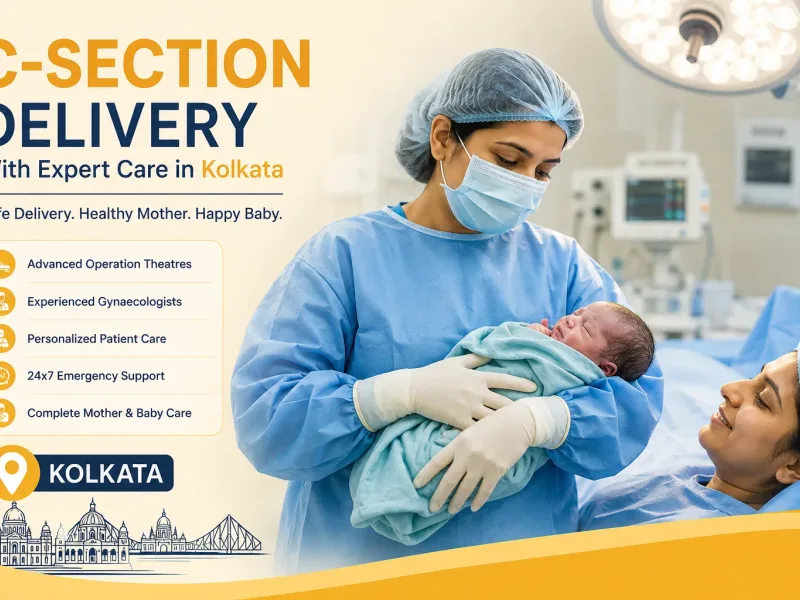
A cesarean section (C-section) is a surgical delivery in which a baby is born through an incision in the mother's abdomen and uterus. In Kolkata, several experienced obstetricians and well-equipped hospitals offer C-section services for planned and emergency deliveries. Understanding when a C-sectio
July 31, 2026
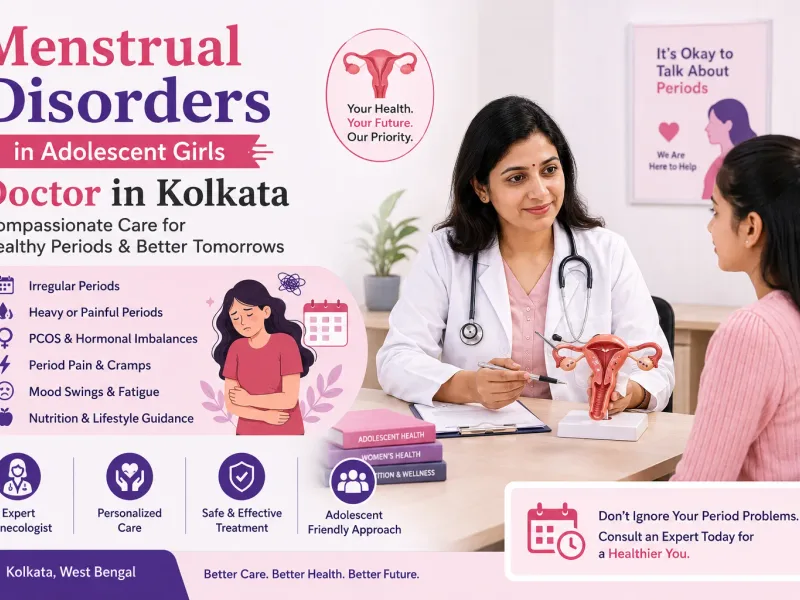
If you are searching for a Menstrual Disorders in Adolescent Girls Doctor in Kolkata, early evaluation by an experienced gynecologist can help identify the underlying cause of irregular or painful periods. While menstrual irregularities are common during the first few years after puberty, persistent
July 31, 2026
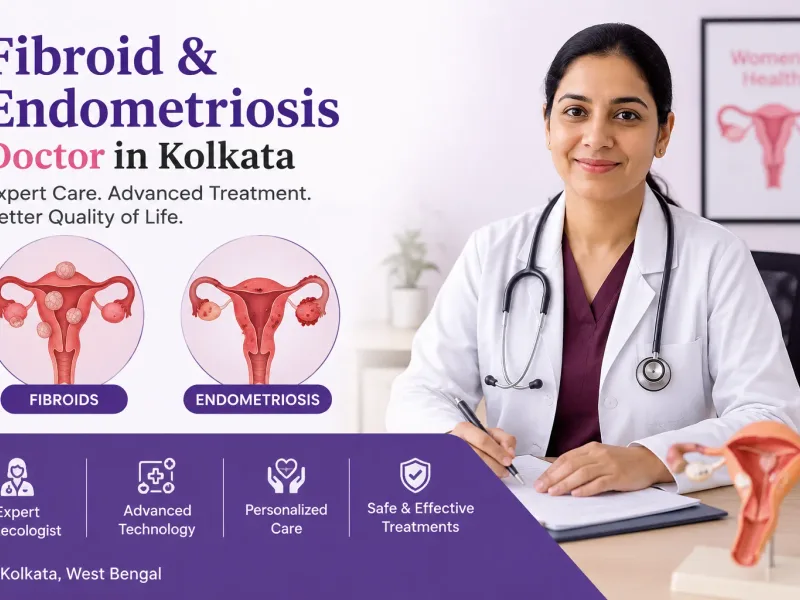
If you are searching for a Fibroid & Endometriosis doctor in Kolkata, choosing an experienced gynecologist with expertise in minimally invasive gynecological surgery is essential. Uterine fibroids and endometriosis are two common but different conditions that can cause pelvic pain, heavy menstrual b
July 31, 2026