

Emergency & Help
24/7 Emergency & General Advisory
🚨 24/7 Medical Emergency
Non-Emergency Advisory
10:00 AM – 6:00 PM, Mon–Sat
For appointments & general queries.
24/7 Emergency & General Advisory
🚨 24/7 Medical Emergency
Non-Emergency Advisory
10:00 AM – 6:00 PM, Mon–Sat
For appointments & general queries.
Explore the common reasons behind late or missed menstrual periods, including stress, weight changes, hormonal imbalances, and lifestyle factors. Learn about diagnosis, treatment, and prevention strategies for maintaining a regular cycle.

It's a common concern for many women: the anxiety that creeps in when your period doesn't arrive on time. A late or missed menstrual cycle can be a source of worry, prompting questions about health, lifestyle, and potential pregnancy. While occasional irregularities are normal, persistent or significant delays warrant attention. This guide aims to demystify the reasons behind late periods, offering practical insights tailored for women in India.
Before delving into what constitutes a late period, it's essential to understand what's considered normal. A typical menstrual cycle ranges from 21 to 35 days, counted from the first day of one period to the first day of the next. The duration of bleeding usually lasts between 2 to 7 days. However, cycle lengths can vary significantly from woman to woman, and even from month to month for the same woman. Factors like age, stress, and lifestyle can influence this.
Numerous factors can contribute to a delayed menstrual cycle. Understanding these can help alleviate anxiety and guide you towards appropriate action.
The mind-body connection is incredibly powerful. High levels of stress, whether from work, personal life, or significant emotional events, can disrupt the hormonal balance that regulates your menstrual cycle. The hypothalamus, a part of your brain, controls the hormones that signal your ovaries to release eggs and build the uterine lining. When you're stressed, the hypothalamus can be affected, leading to a delay or even a temporary cessation of your period. This is often referred to as stress-induced amenorrhea.
Weight Loss: Losing a substantial amount of weight, especially rapidly, can signal to your body that it's in a state of stress or scarcity. This can lead to the body conserving energy by shutting down non-essential functions, including ovulation and menstruation. This is particularly common in cases of eating disorders like anorexia nervosa.
Weight Gain: Conversely, significant weight gain, particularly an increase in body fat, can lead to hormonal imbalances. Excess adipose tissue can produce more estrogen, which can interfere with the regular release of eggs and disrupt your cycle. Obesity is also linked to conditions like Polycystic Ovary Syndrome (PCOS), a common cause of irregular periods.
While regular physical activity is beneficial for overall health, extreme or sudden changes in your exercise regimen can impact your cycle. Overtraining, especially when combined with insufficient calorie intake, can put significant stress on your body, leading to hormonal disruptions and missed periods. This is more common in athletes or individuals who suddenly increase their exercise intensity or duration.
Several medical conditions can cause irregular or missed periods:
Hormonal Birth Control: Starting, stopping, or changing hormonal birth control methods (pills, patches, injections, implants, IUDs) can cause temporary irregularities in your period. Some methods, like certain pills or hormonal IUDs, are designed to reduce or stop periods altogether.
Other Medications: Certain medications, including antipsychotics, chemotherapy drugs, and some antidepressants, can also affect your menstrual cycle as a side effect.
The most common reason for a missed period in sexually active women is pregnancy. If you have had unprotected sex and your period is late, taking a pregnancy test is the first step.
As women approach menopause (typically in their 40s and early 50s), their hormone levels begin to fluctuate. This transitional phase, known as perimenopause, often leads to irregular periods – they might become lighter, heavier, shorter, longer, or more spaced out.
Conditions like diabetes, celiac disease, or inflammatory bowel disease can affect your overall health and hormonal balance, potentially leading to menstrual irregularities.
While occasional late periods are usually not a cause for alarm, it's important to seek medical advice in certain situations:
When you consult a doctor for a late period, they will typically:
The treatment for a late or missed period depends entirely on the underlying cause:
While not all causes of late periods can be prevented, you can take steps to support your reproductive health:
A late or missed period can be unsettling, but understanding the myriad of potential causes can empower you. From stress and lifestyle changes to underlying medical conditions, your body communicates through its cycles. By paying attention to your body, adopting healthy habits, and seeking timely medical advice when needed, you can navigate these concerns effectively and maintain your overall well-being. Remember, you are not alone in this, and help is available.
This section adds practical context and preventive advice to help readers make informed healthcare decisions. It is important to verify symptoms early, consult qualified doctors, and avoid self-medication for persistent health issues.
Maintaining healthy routines, following prescribed treatment plans, and attending regular checkups can improve outcomes. If symptoms worsen or red-flag signs appear, immediate medical evaluation is recommended.
Track symptoms and duration.
Follow diagnosis and treatment from a licensed practitioner.
Review medication side effects with your doctor.
Seek urgent care for severe warning signs.
Visit Hospital
Near You

A cesarean section (C-section) is a surgical delivery in which a baby is born through an incision in the mother's abdomen and uterus. In Kolkata, several experienced obstetricians and well-equipped hospitals offer C-section services for planned and emergency deliveries. Understanding when a C-sectio
July 31, 2026
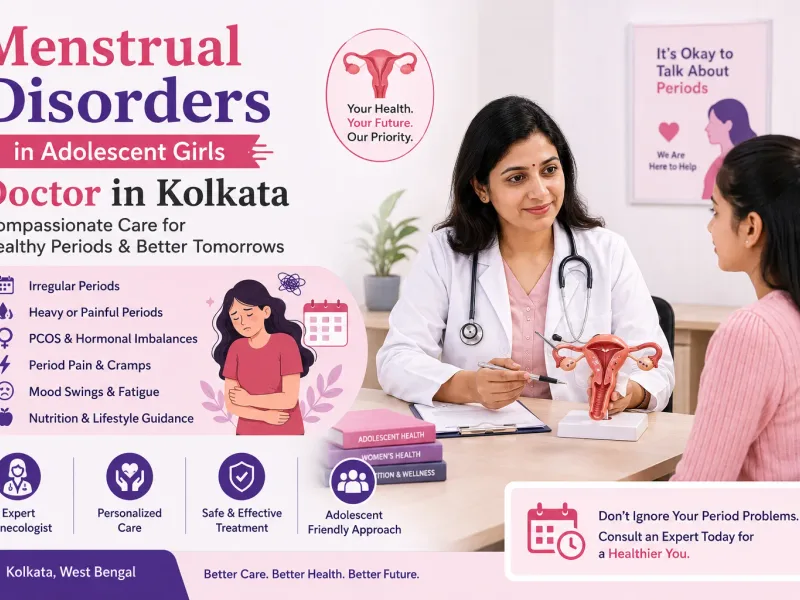
If you are searching for a Menstrual Disorders in Adolescent Girls Doctor in Kolkata, early evaluation by an experienced gynecologist can help identify the underlying cause of irregular or painful periods. While menstrual irregularities are common during the first few years after puberty, persistent
July 31, 2026

If you are searching for a Fibroid & Endometriosis doctor in Kolkata, choosing an experienced gynecologist with expertise in minimally invasive gynecological surgery is essential. Uterine fibroids and endometriosis are two common but different conditions that can cause pelvic pain, heavy menstrual b
July 31, 2026