

Emergency & Help
24/7 Emergency & General Advisory
🚨 24/7 Medical Emergency
Non-Emergency Advisory
10:00 AM – 6:00 PM, Mon–Sat
For appointments & general queries.
24/7 Emergency & General Advisory
🚨 24/7 Medical Emergency
Non-Emergency Advisory
10:00 AM – 6:00 PM, Mon–Sat
For appointments & general queries.
Understand the difference between yeast infections and Pelvic Inflammatory Disease (PID). Learn about their causes, symptoms, diagnosis, treatment, and prevention strategies for better reproductive health.

It's common to experience discomfort in the pelvic region, and sometimes the symptoms can overlap, leading to confusion between conditions like yeast infections and Pelvic Inflammatory Disease (PID). While both affect women's reproductive health, it's crucial to understand that a yeast infection does not directly cause PID. However, certain factors associated with yeast infections might indirectly increase the risk of developing PID, especially if other underlying conditions are present. This article aims to clarify the differences, causes, symptoms, diagnosis, treatment, and prevention strategies for both conditions, offering practical advice for Indian women.
A yeast infection, also known as vaginal candidiasis, is a common fungal infection caused by an overgrowth of Candida yeast, which naturally lives in the vagina. When the balance of microorganisms in the vagina is disrupted, Candida can multiply, leading to symptoms like itching, burning, and unusual discharge.
PID is a serious infection of the female reproductive organs, including the uterus, fallopian tubes, and ovaries. It most often occurs when sexually transmitted infections (STIs), particularly bacterial ones, are left untreated. PID can lead to long-term health problems, including chronic pelvic pain, infertility, and ectopic pregnancy, if not treated promptly.
The direct answer is no, a yeast infection does not cause Pelvic Inflammatory Disease. They are distinct conditions with different causes. However, research from 2021 indicates that the yeast and bacteria responsible for yeast infections and bacterial vaginosis can sometimes be found in the cervix of individuals with PID. This suggests a potential association, but not a causal link. Dr. Michael Ingber, a urologist and female pelvic medicine specialist, explains that while yeast infections themselves don't cause PID, individuals who have a yeast infection and an untreated bacterial STI might be at a higher risk of developing PID compared to those with only a bacterial STI.
The symptoms of a yeast infection can vary but commonly include:
PID symptoms can be milder or more severe and may include:
It's important to note that some women with PID may have no symptoms at all, which can delay diagnosis and treatment.
Yeast infections occur when there's an overgrowth of Candida. Factors that can disrupt the natural balance and lead to an overgrowth include:
PID is primarily caused by bacterial infections that spread from the vagina or cervix to the upper reproductive organs. The most common culprits are untreated sexually transmitted infections (STIs):
Dr. Michelle Forcier, a clinician with virtual healthcare service FOLX, emphasizes that PID is often a serious complication of an STI and should be avoided through regular testing and proper treatment.
Diagnosing a Yeast Infection:
Diagnosing PID:
Treatment for Yeast Infections:
Treatment for PID:
Dr. Forcier advises, “It’s easier to treat an STI than full-blown PID.”
Preventing Yeast Infections:
Preventing PID:
It is essential to consult a healthcare professional if you experience any of the following:
Prompt medical attention is key for accurate diagnosis and effective treatment, preventing potential long-term complications. If you’re experiencing PID symptoms or other pelvic discomfort, consult with a healthcare professional. They can determine the underlying cause and advise you on any next steps.
While yeast infections and PID share some overlapping symptoms and can sometimes coexist with other infections, a yeast infection does not cause PID. Understanding the distinct causes and symptoms of each condition is vital for seeking appropriate medical care. Prioritizing sexual health through safe practices, regular testing, and prompt treatment of any infections is the most effective way to prevent serious conditions like PID and protect your reproductive well-being.
Visit Hospital
Near You

A cesarean section (C-section) is a surgical delivery in which a baby is born through an incision in the mother's abdomen and uterus. In Kolkata, several experienced obstetricians and well-equipped hospitals offer C-section services for planned and emergency deliveries. Understanding when a C-sectio
July 31, 2026
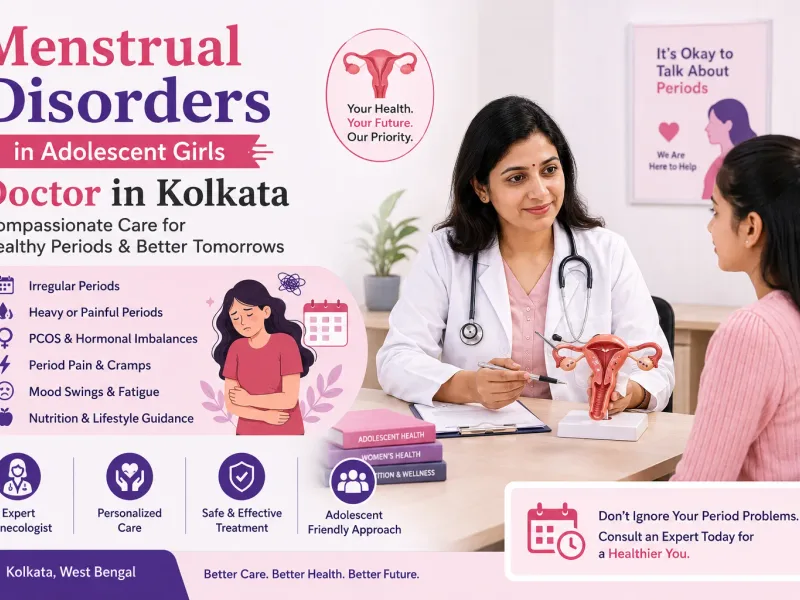
If you are searching for a Menstrual Disorders in Adolescent Girls Doctor in Kolkata, early evaluation by an experienced gynecologist can help identify the underlying cause of irregular or painful periods. While menstrual irregularities are common during the first few years after puberty, persistent
July 31, 2026
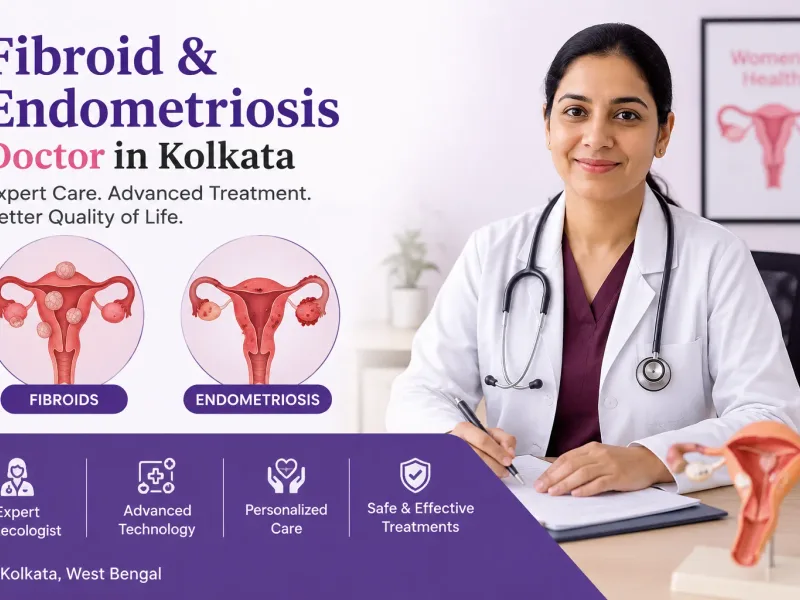
If you are searching for a Fibroid & Endometriosis doctor in Kolkata, choosing an experienced gynecologist with expertise in minimally invasive gynecological surgery is essential. Uterine fibroids and endometriosis are two common but different conditions that can cause pelvic pain, heavy menstrual b
July 31, 2026