

Emergency & Help
24/7 Emergency & General Advisory
🚨 24/7 Medical Emergency
Non-Emergency Advisory
10:00 AM – 6:00 PM, Mon–Sat
For appointments & general queries.
24/7 Emergency & General Advisory
🚨 24/7 Medical Emergency
Non-Emergency Advisory
10:00 AM – 6:00 PM, Mon–Sat
For appointments & general queries.
Empowering Indian women with practical insights on heart health, nutrition, fitness, mental wellness, and preventive screenings for a healthier, happier life.

In the whirlwind of daily life, managing a career, family, and personal well-being can feel like an Olympic sport. For women, this juggling act often means their own health takes a backseat. But prioritizing your health isn't selfish; it's essential for living a longer, happier, and more fulfilling life. This guide is designed to provide practical, actionable advice tailored for Indian women, covering everything from preventing common diseases to embracing a vibrant lifestyle.
Women face unique health challenges throughout their lives. From hormonal fluctuations during menstruation and pregnancy to the increased risk of certain conditions like heart disease and osteoporosis, awareness is your first line of defense. Let's explore some of the most critical areas.
Did you know that heart disease is the leading cause of death for women globally? In India, while awareness is growing, many women still underestimate their risk. Factors like high blood pressure, high cholesterol, diabetes, and obesity contribute significantly. Even though heart disease affects both men and women, symptoms can sometimes differ, and women might experience them differently. For instance, instead of the classic crushing chest pain, a woman might feel shortness of breath, nausea, or pain in her jaw or back. Regular check-ups are vital to monitor your heart health.
Scenario: Priya, a 48-year-old homemaker, often felt unusually tired and experienced indigestion. She dismissed it as stress from managing her household. It wasn't until her annual health check-up that her doctor detected high blood pressure and borderline cholesterol, prompting her to make significant lifestyle changes.
What you eat directly impacts your energy levels, immunity, and long-term health. A balanced diet provides the essential vitamins, minerals, and nutrients your body needs to function optimally. For Indian women, this means incorporating a variety of local, fresh foods.
A simple tip for grocery shopping: Stick to the perimeter of the supermarket where fresh produce, dairy, and lean meats are usually located. Avoid the inner aisles filled with processed items. And remember, never shop on an empty stomach – it’s a recipe for impulse buys!
Regular physical activity is a cornerstone of good health. It not only helps maintain a healthy weight but also strengthens your heart, bones, and muscles, and significantly boosts your mood.
Consider inviting a friend along for your workouts. Having a workout buddy provides accountability and makes exercise more enjoyable.
The mental health of women is as important as their physical health. Stress, anxiety, and depression can significantly impact quality of life. Recognizing the signs and seeking support is a sign of strength.
Women are more likely to experience depression than men, especially during certain life stages. If you notice persistent feelings of sadness, loss of interest, or changes in appetite or sleep, please reach out for help.
Regular medical screenings are vital for detecting potential health issues early, when they are most treatable. For women, this includes:
Don't wait for symptoms to appear. Schedule your regular check-ups and screenings with your doctor. It's a proactive step towards safeguarding your future health.
Your skin is your body's largest organ and your first line of defense. Protecting it from sun damage and environmental factors is key to maintaining its health and appearance as you age.
While this guide offers general advice, it's essential to listen to your body. Consult a doctor if you experience:
Aim for at least 150 minutes of moderate-intensity aerobic activity (like brisk walking) or 75 minutes of vigorous-intensity activity (like running) per week, spread throughout the week. Also, include muscle-strengthening activities at least two days a week.
Focus on a balanced diet rich in fruits, vegetables, whole grains, lean proteins, and healthy fats. Include sources of calcium and Vitamin D for bone health, and iron-rich foods to prevent anemia.
Occasional irregular periods can be normal due to stress or lifestyle changes. However, persistent irregularities, very heavy or painful periods, or missed periods should be discussed with a gynecologist.
Incorporate stress-management techniques like mindfulness, meditation, yoga, or deep breathing exercises into your daily routine. Ensure you get adequate sleep and make time for activities you enjoy.
Guidelines vary, but generally, women with average risk should start regular mammograms between the ages of 40 and 50. Discuss your individual risk factors and the best screening schedule with your doctor.
Taking charge of your health is a journey, not a destination. By understanding your body, making informed choices, and prioritizing self-care, you can lead a healthier, more vibrant life. Remember, your well-being matters immensely.
Visit Hospital
Near You
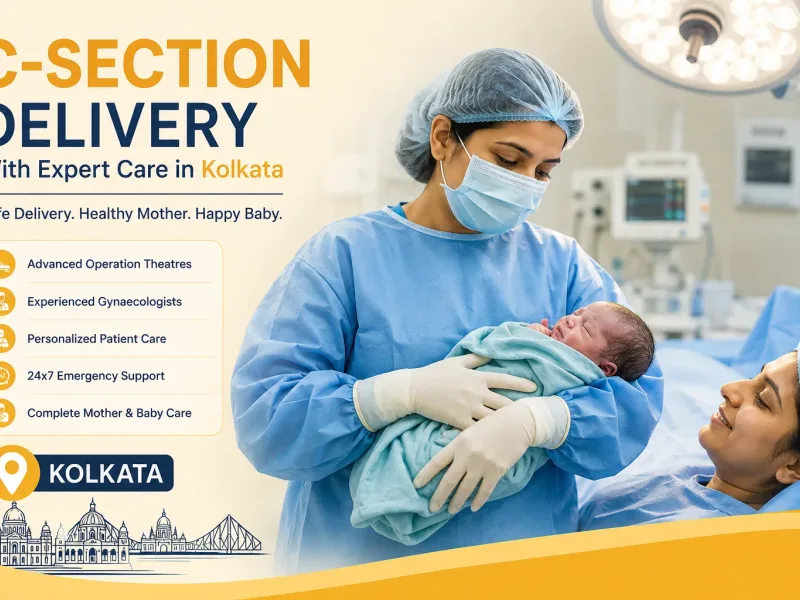
A cesarean section (C-section) is a surgical delivery in which a baby is born through an incision in the mother's abdomen and uterus. In Kolkata, several experienced obstetricians and well-equipped hospitals offer C-section services for planned and emergency deliveries. Understanding when a C-sectio
July 31, 2026
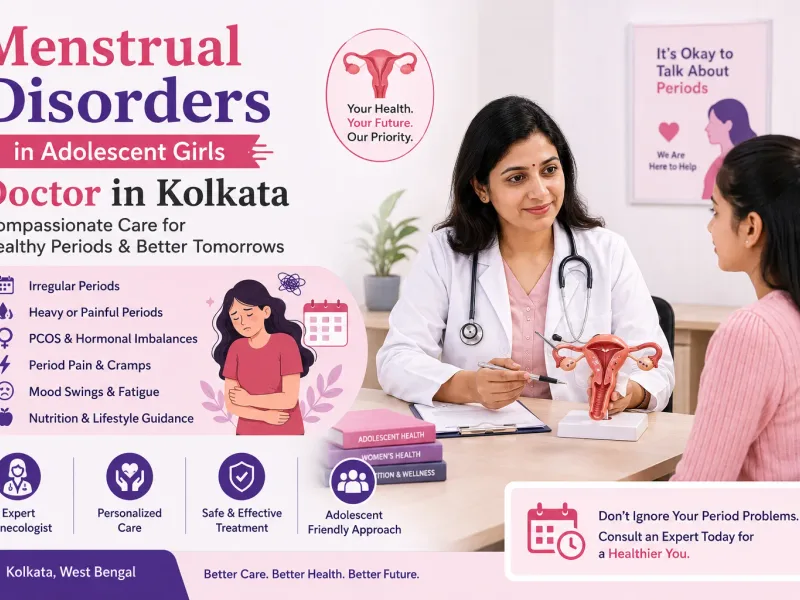
If you are searching for a Menstrual Disorders in Adolescent Girls Doctor in Kolkata, early evaluation by an experienced gynecologist can help identify the underlying cause of irregular or painful periods. While menstrual irregularities are common during the first few years after puberty, persistent
July 31, 2026
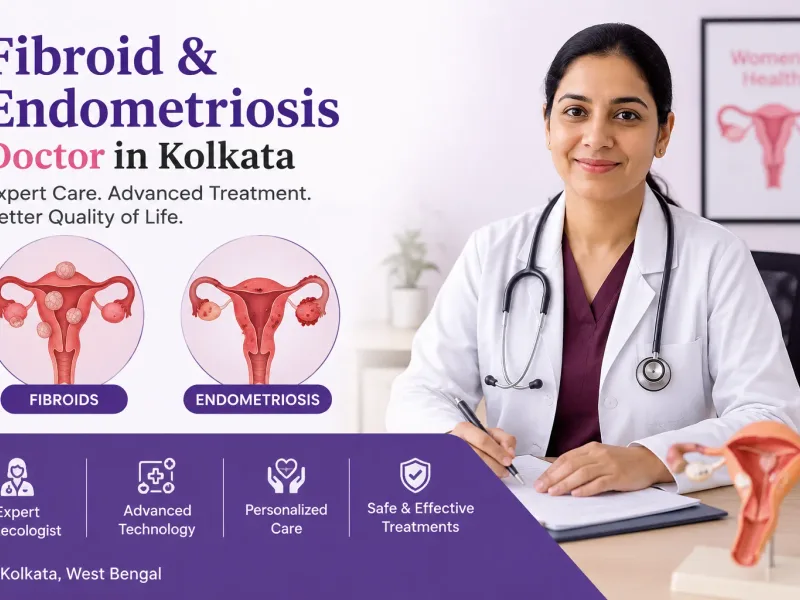
If you are searching for a Fibroid & Endometriosis doctor in Kolkata, choosing an experienced gynecologist with expertise in minimally invasive gynecological surgery is essential. Uterine fibroids and endometriosis are two common but different conditions that can cause pelvic pain, heavy menstrual b
July 31, 2026