

Emergency & Help
24/7 Emergency & General Advisory
🚨 24/7 Medical Emergency
Non-Emergency Advisory
10:00 AM – 6:00 PM, Mon–Sat
For appointments & general queries.
24/7 Emergency & General Advisory
🚨 24/7 Medical Emergency
Non-Emergency Advisory
10:00 AM – 6:00 PM, Mon–Sat
For appointments & general queries.
Entering the third trimester at 28 weeks pregnant brings new developments for you and your baby. Learn about common symptoms, baby's growth, and how to manage your well-being. Your guide to week 28 and beyond.

Welcome to week 28 of your pregnancy! You've officially entered the third and final trimester, a significant milestone in your journey. This phase is filled with exciting developments for both you and your baby. As your little one grows rapidly, you might start noticing more pronounced fetal movements and perhaps some new bodily sensations, like aches and pains. It's a time for continued self-care, staying informed, and preparing for the arrival of your baby.
The journey through pregnancy is unique for every woman, and week 28 brings its own set of experiences. You're working hard to nurture your growing baby, and it's essential to prioritize rest and gentle activity to maintain your energy levels. Your baby is also undergoing rapid development, with their brain growing significantly and their body preparing for life outside the womb.
By now, your baby is approximately 14.5 inches (37 cm) long, roughly the size of a rutabaga, and weighs around 2 to 2.5 pounds (0.9 to 1.1 kg). A major development this week is the rapid growth of your baby's brain. It's developing deep ridges and indentations, increasing its tissue mass. Your baby might even be experiencing periods of rapid eye movement, suggesting they are dreaming! They are also practicing blinking and making faces, showing their developing reflexes.
Many babies begin to position themselves for birth around this time, with their head moving closer to the cervix. However, it's important to remember that some babies may not settle into this position until after week 30, and in some cases, they might remain in a different position, such as breech. Your healthcare provider will monitor your baby's position during your appointments.
The symptoms you've been experiencing might intensify as you move into the third trimester. Many of these are normal parts of pregnancy, but it's always good to be aware of them.
You may start experiencing Braxton Hicks contractions, often called "practice contractions." These are irregular tightenings of your uterine muscles, typically lasting 30 to 60 seconds, though they can sometimes extend up to two minutes. They are your body's way of preparing for labor. Unlike true labor contractions, Braxton Hicks are usually not painful, do not increase in intensity, duration, or frequency, and don't lead to cervical changes. If you experience regular, painful, or increasingly frequent contractions, contact your doctor immediately.
As your baby grows, the extra weight can put a strain on your back, leading to discomfort. Insomnia is also common, as finding a comfortable sleeping position becomes more challenging, and hormonal changes can affect your sleep patterns. To manage backaches, try to maintain good posture, avoid lifting heavy objects, and engage in gentle stretching. For insomnia, create a relaxing bedtime routine, ensure your mattress is supportive, and consider using extra pillows for comfort. Light physical activity and stretching can also help improve sleep quality.
Your growing uterus will continue to press on your bladder, meaning you'll likely need to urinate more frequently. This can be disruptive, especially at night. Staying hydrated is still important, so try to drink plenty of fluids throughout the day, but perhaps limit intake right before bedtime.
Hormonal changes and the pressure from your uterus can slow down your digestive system, leading to constipation and gas. Eating smaller, more frequent meals (six small meals instead of three large ones) can help ease the burden on your digestive system. This approach also helps reduce the likelihood of developing hemorrhoids, which can be exacerbated by constipation.
Self-care becomes even more critical as you enter the final stretch of your pregnancy. Prioritizing your physical and emotional health will help you navigate this period more comfortably and prepare for childbirth.
Getting enough rest is paramount. Listen to your body and take naps when you feel tired. While rest is important, staying moderately active can help maintain energy levels and alleviate some discomforts. Opt for pregnancy-safe exercises like walking, swimming, or prenatal yoga. Always consult your doctor before starting or continuing any exercise program.
The anticipation of childbirth and the physical changes of pregnancy can sometimes lead to stress. Finding healthy ways to manage stress is vital. Consider attending prenatal classes, which can provide valuable information and a sense of community. Talking to your partner, friends, or other expectant mothers can also be supportive. Practicing relaxation techniques like deep breathing exercises or meditation can be very beneficial.
Although your delivery is still a few months away, it's wise to start preparing. Make a list of important contact numbers. Begin packing your hospital bag with essentials for yourself, your baby, and your partner. Research the shortest and fastest routes to your hospital or birthing center. Having these practical arrangements in place can reduce stress closer to your due date.
Your doctor's appointments will likely become more frequent, often every two weeks starting around week 28. These check-ups are crucial for monitoring your health and your baby's well-being.
Your healthcare provider will monitor your weight and blood pressure. They will also screen for common pregnancy complications such as gestational diabetes and anemia. Early detection and management of these conditions are vital for a healthy pregnancy.
Your doctor may recommend the Tdap vaccine (tetanus, diphtheria, and pertussis) during your third trimester. This vaccine helps protect your baby from whooping cough, a serious illness, especially for newborns. Discuss the timing and necessity of this vaccine with your healthcare provider.
It's a good time to start looking for a pediatrician for your baby. Consider factors like their practice location, availability, and philosophy of care. You can ask your OB-GYN or midwife for recommendations.
While many symptoms are normal, some require prompt medical attention. Always contact your doctor if you experience:
Remember, it's always better to be safe than sorry. If you have any concerns about your health or your baby's well-being, don't hesitate to reach out to your healthcare provider.
Starting around week 28, most healthcare providers will schedule appointments every two weeks until the final month of pregnancy, when visits typically become weekly.
For most uncomplicated pregnancies, sex is generally considered safe throughout pregnancy. However, if you have any concerns or specific medical conditions, it's best to discuss this with your doctor.
It's quite common for babies to not be head-down at 28 weeks. Many babies will naturally turn into the head-down position as delivery approaches. Your doctor will monitor your baby's position and discuss options if they remain in a different position closer to your due date.
Navigating the third trimester can be a time of both anticipation and slight anxiety. By staying informed, prioritizing your health, and maintaining open communication with your healthcare provider, you can approach the remaining weeks of your pregnancy with confidence and excitement for the arrival of your little one.
Visit Hospital
Near You

Going past your due date can feel like being stuck in a waiting room with no clock. This guide walks you through what actually happens during monitoring after due date pregnancy — the tests, the decisions, and the emotions nobody really prepares you for.
May 20, 2026
Going past your due date can feel like being stuck in a waiting room with no clock. This guide walks you through what actually happens during monitoring after due date pregnancy — the tests, the decisions, and the emotions nobody really prepares you for.
May 20, 2026
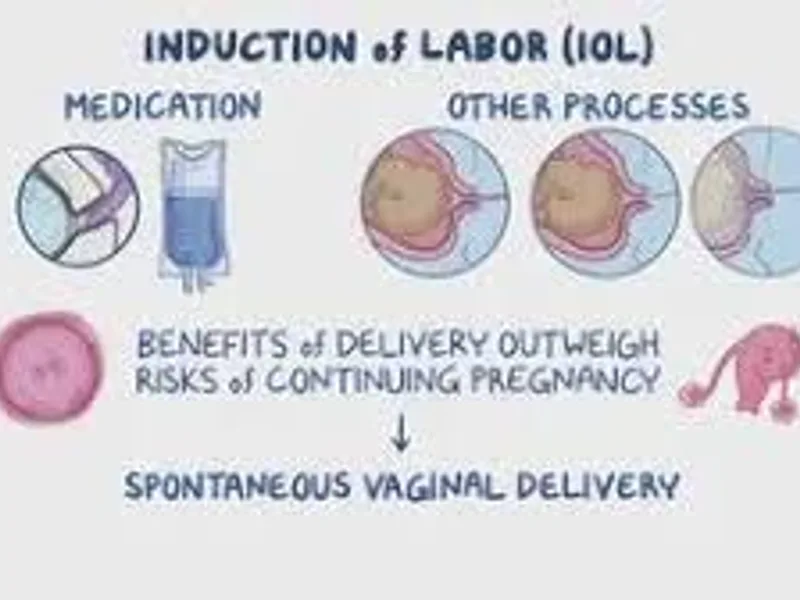
If you’re close to your due date and feeling stuck in waiting mode, this breaks down induction of labor methods in a way that actually makes sense. No jargon, no fluff—just what works, what doesn’t, and what it really feels like from a human perspective.
May 20, 2026