

Emergency & Help
24/7 Emergency & General Advisory
🚨 24/7 Medical Emergency
Non-Emergency Advisory
10:00 AM – 6:00 PM, Mon–Sat
For appointments & general queries.
24/7 Emergency & General Advisory
🚨 24/7 Medical Emergency
Non-Emergency Advisory
10:00 AM – 6:00 PM, Mon–Sat
For appointments & general queries.
At 38 weeks pregnant, you're in the final stretch! Discover what to expect, including common symptoms, signs of labor, and how your baby is developing.

You’ve made it to 38 weeks pregnant! This is an incredibly exciting time, as your little one is almost ready to make their grand entrance. While the finish line is in sight, it's important to remember that every pregnancy is unique. Your due date, while a helpful guide, is technically still two weeks away, and many babies arrive between 38 and 41 weeks, or even a little later. The key now is to rest, stay aware of your body’s signals, and know when to reach out to your healthcare provider.
At this stage, how you're feeling can offer clues about what to expect in the coming days and weeks. Listen to your body, try to stay comfortable, and prepare for the amazing journey ahead.
Pregnancy brings a host of physical changes, and week 38 is no exception. You might be experiencing a range of discomforts, but these are often normal signs that your body is preparing for labor.
It’s common to notice swelling, especially in your feet and ankles. This happens because your body is retaining more fluid, and the growing uterus can put pressure on your veins. Try elevating your feet whenever possible, avoid standing for long periods, and stay hydrated.
You might have been feeling these “practice” contractions for a while now. They can be irregular and don’t typically increase in intensity. It can be tricky to distinguish them from true labor contractions, so pay attention to their pattern.
The mucus plug seals your cervix and protects your uterus from infection. As your cervix begins to soften and dilate, you might notice a discharge that looks like thick mucus, sometimes tinged with blood. While this can be a sign that labor is approaching, it can also happen several weeks before labor begins. Don't be alarmed if it happens early; it’s a normal part of the process.
While losing your mucus plug can happen early, other signs are more indicative of imminent labor. Recognizing these can help you feel more prepared.
True labor contractions have a predictable pattern. They become more regular over time, increase in intensity, and usually don't stop, even if you change positions or rest. If you experience contractions that are consistently 5-10 minutes apart, lasting for about a minute each, and getting stronger, it's time to contact your doctor or midwife.
You might feel a sensation of lightness in your upper abdomen as the baby’s head moves deeper into your pelvis. This is often called “lightening” or “the baby dropping.” It can relieve pressure on your diaphragm, making breathing easier, but it might also increase pressure on your bladder, leading to more frequent trips to the restroom.
This is one of the most definitive signs of labor. Your water breaking can range from a dramatic gush to a slow trickle. If you suspect your water has broken, contact your healthcare provider immediately, even if you aren't having contractions.
Your little one is considered “early term” at 38 weeks. This means their major organs, including the heart, lungs, and brain, are fully developed. However, there’s still important growth happening!
While critical development is complete, your baby continues to gain weight and mature in the womb. The layers of fat are building up, helping to regulate body temperature after birth. The vernix caseosa, a waxy coating that protects the baby’s skin in the amniotic fluid, is still present, though it may be thinning.
As your baby runs out of room in the uterus, their movements might feel different. Instead of big kicks and flips, you’ll likely feel more stretching and wiggling. It’s still essential to monitor fetal movements. A significant decrease or absence of movement should always be reported to your doctor or midwife.
While many symptoms at 38 weeks are normal, some require prompt medical attention. Trust your instincts and don't hesitate to reach out if you have concerns.
Remember, your healthcare provider is your best resource for any concerns you have during this final stage of pregnancy.
With labor potentially just around the corner, now is the time to focus on rest and final preparations.
Try to get as much rest as you can. Consider gentle activities that help you relax, such as reading, listening to music, or taking short, leisurely walks. Prenatal yoga or meditation can also be beneficial.
Ensure your hospital bag is packed and easily accessible. Include essentials for you, your baby, and your partner.
Confirm your birth plan with your partner or support person. Discuss who you will call and when, and make sure they know the signs of labor.
Priya, due in two weeks, felt a sudden gush of fluid while watching TV. Initially unsure, she remembered her doctor’s advice and called immediately. The clinic confirmed her water had broken and advised her to come in. Although contractions hadn't started yet, knowing what to do eased her anxiety.
True labor contractions are regular, get progressively stronger and closer together, and often don't stop with changes in position. If you're unsure, it's always best to call your doctor or midwife.
Yes, 38 weeks is considered early term. While babies can be born earlier, they are generally considered full-term between 39 and 40 weeks. However, babies born at 38 weeks typically do very well.
If your water breaks, you should contact your healthcare provider immediately, even if you aren't having contractions. They will advise you on the next steps, which usually involves coming to the hospital or birthing center for monitoring.
While babies have less room to move, you should still feel regular movements like stretching and wiggling. A significant decrease or absence of movement is a cause for concern, and you should contact your doctor immediately.
Never hesitate to call your doctor or midwife if you have any concerns, no matter how small they may seem. They are there to support you through this final stage of pregnancy and ensure your well-being and your baby’s.
Visit Hospital
Near You

Going past your due date can feel like being stuck in a waiting room with no clock. This guide walks you through what actually happens during monitoring after due date pregnancy — the tests, the decisions, and the emotions nobody really prepares you for.
May 20, 2026
Going past your due date can feel like being stuck in a waiting room with no clock. This guide walks you through what actually happens during monitoring after due date pregnancy — the tests, the decisions, and the emotions nobody really prepares you for.
May 20, 2026
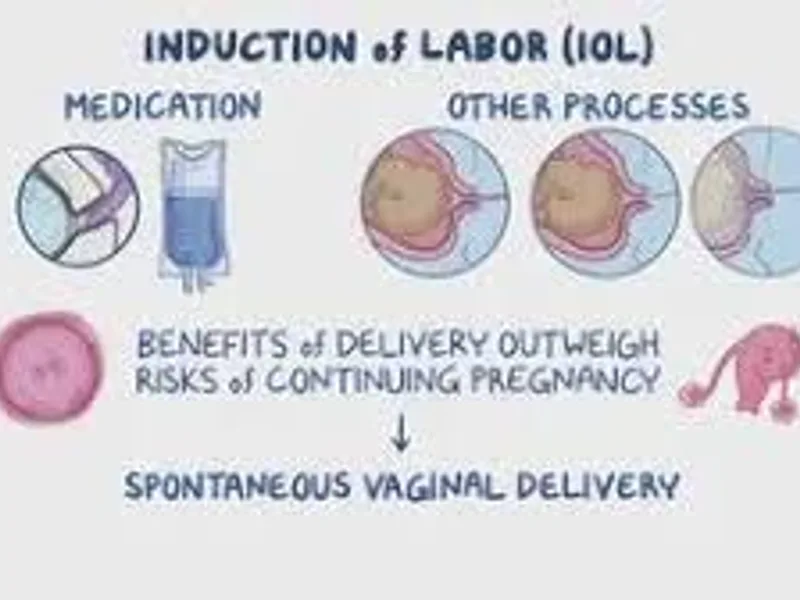
If you’re close to your due date and feeling stuck in waiting mode, this breaks down induction of labor methods in a way that actually makes sense. No jargon, no fluff—just what works, what doesn’t, and what it really feels like from a human perspective.
May 20, 2026