

Emergency & Help
24/7 Emergency & General Advisory
🚨 24/7 Medical Emergency
Non-Emergency Advisory
10:00 AM – 6:00 PM, Mon–Sat
For appointments & general queries.
24/7 Emergency & General Advisory
🚨 24/7 Medical Emergency
Non-Emergency Advisory
10:00 AM – 6:00 PM, Mon–Sat
For appointments & general queries.
At 39 weeks pregnant, you're in the final countdown! Learn about common symptoms, what's happening with your body and baby, and how to cope with the wait for labor.

This is a significant milestone, marking the final stretch before you meet your little one. At 39 weeks, you're considered full-term, and your baby could arrive any day now. It's a time filled with anticipation, excitement, and perhaps a touch of anxiety. Let's explore what you can expect physically and emotionally during this final countdown, along with practical tips to help you cope and prepare.
Your body is working hard to prepare for labor and delivery. You might notice several changes:
Beyond the general physical changes, several specific symptoms can signal that labor is approaching:
Your baby is almost fully developed and gaining weight. On average, newborns weigh about 7 to 8 pounds and measure 18 to 20 inches long at birth. If your baby were born today, they would be considered healthy and ready for life outside the womb. The final weeks are spent gaining a bit more fat and refining their systems.
The final days and weeks of pregnancy can feel long. Here are some ways to manage the anticipation:
Imagine Priya, who is 39 weeks pregnant. She's been experiencing frequent Braxton Hicks contractions, making her wonder each time if it's finally labor. She finds it hard to sleep, and even a short walk around her house leaves her breathless. Her husband, Rohan, has taken time off work to be with her, helping with household chores and offering constant reassurance. They've gone over their birth plan multiple times and have their hospital bags packed by the door, trying to channel their nervous energy into productive preparation.
It's essential to know when to seek medical advice. Contact your healthcare provider immediately if you experience:
Braxton Hicks contractions are usually irregular, don't get closer together, and often stop if you change position or rest. Real labor contractions typically become more regular, increase in intensity and duration, and don't stop with rest or position changes.
Not necessarily. Every pregnancy is different, and babies arrive on their own schedules. If you're past your due date and there are no signs of labor, your doctor will monitor you and discuss potential induction options if needed.
Yes, absolutely. It's completely normal to feel a mix of emotions, including excitement, nervousness, and anxiety, as you approach childbirth. Talking about your feelings and practicing relaxation techniques can help.
You are in the home stretch! Trust your body and your instincts. Stay informed, stay comfortable, and lean on your support system. The incredible journey of pregnancy is about to lead you to the most rewarding chapter yet – meeting your baby.
Most people do not notice early warning signs right away. That is common. A simple symptom diary, basic routine checks, and timely follow-up visits can prevent small problems from becoming serious.
If you are already on treatment, stay consistent with medicines and lifestyle advice. If your symptoms change, do not guess. Check with a qualified doctor and update your plan early.
Write down symptoms, triggers, and timing for a few days.
Carry old prescriptions and test reports to your consultation.
Ask clearly about side effects, red-flag signs, and follow-up dates.
Seek urgent care for severe pain, breathing trouble, bleeding, fainting, or sudden worsening.
Visit Hospital
Near You
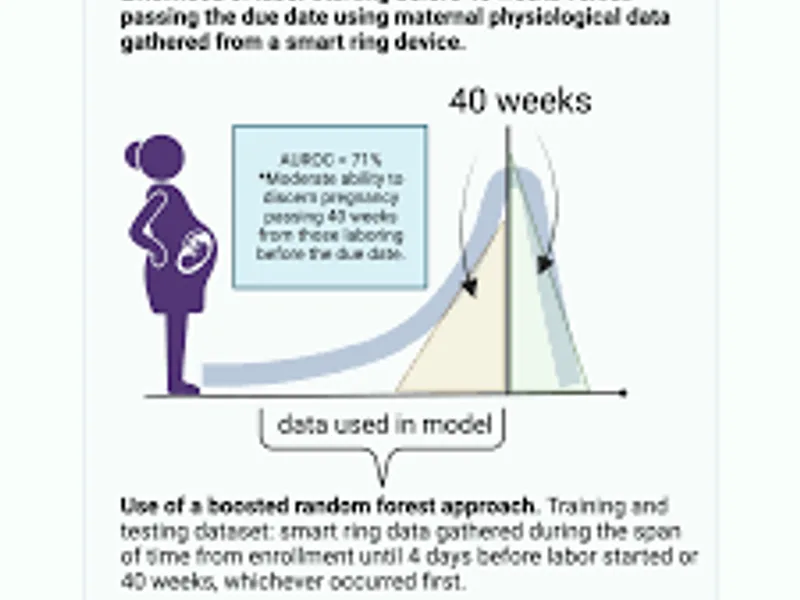
Going past your due date can feel like being stuck in a waiting room with no clock. This guide walks you through what actually happens during monitoring after due date pregnancy — the tests, the decisions, and the emotions nobody really prepares you for.
May 20, 2026
Going past your due date can feel like being stuck in a waiting room with no clock. This guide walks you through what actually happens during monitoring after due date pregnancy — the tests, the decisions, and the emotions nobody really prepares you for.
May 20, 2026
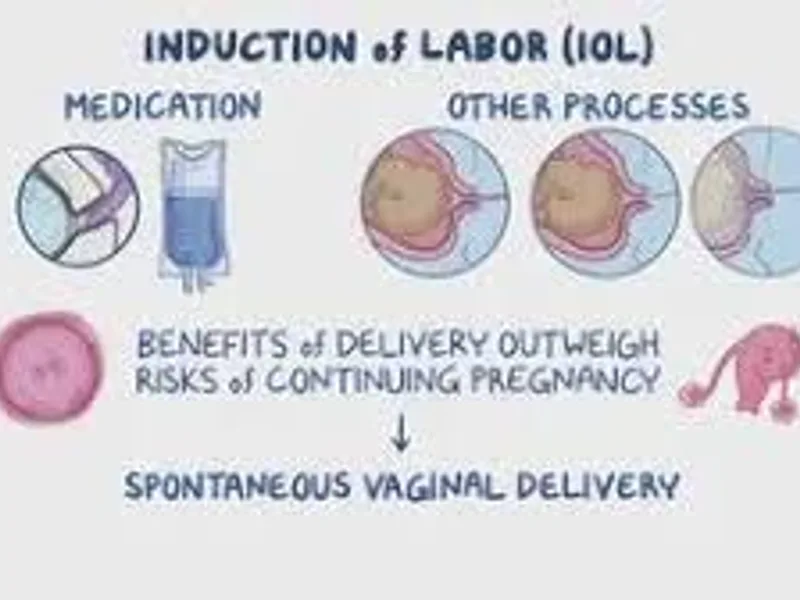
If you’re close to your due date and feeling stuck in waiting mode, this breaks down induction of labor methods in a way that actually makes sense. No jargon, no fluff—just what works, what doesn’t, and what it really feels like from a human perspective.
May 20, 2026