

Emergency & Help
24/7 Emergency & General Advisory
🚨 24/7 Medical Emergency
Non-Emergency Advisory
10:00 AM – 6:00 PM, Mon–Sat
For appointments & general queries.
24/7 Emergency & General Advisory
🚨 24/7 Medical Emergency
Non-Emergency Advisory
10:00 AM – 6:00 PM, Mon–Sat
For appointments & general queries.
You've reached 40 weeks pregnant! Discover what to expect for your baby and your body, common symptoms, and when to seek medical advice as you prepare for labor and delivery.

Congratulations! You’ve reached the incredible milestone of 40 weeks pregnant. It’s a moment that feels both like a finish line and a new beginning. The journey through pregnancy, with its ups and downs, has brought you to this final stretch. While you might be feeling a mix of excitement, anticipation, and perhaps a little impatience, knowing what to expect in these final days can offer comfort and preparedness. This is a time to reflect on the amazing journey and get ready for the beautiful arrival of your baby.
By 40 weeks, your baby is about the size of a small melon, typically measuring between 19 to 22 inches in length and weighing between 7 to 9 pounds. Remember, these are averages, and your baby’s individual size can vary. Your little one has likely settled into the optimal birthing position, with their head pointing downwards, ready to make their grand entrance. Even though space is tight in the uterus now, your baby continues to develop and grow, storing fat to help regulate body temperature outside the womb. Their lungs are mature, and they are practicing breathing movements in preparation for life outside.
A key indicator of your baby’s well-being is their movement. You should ideally feel at least 10 distinct movements within an hour. If you notice a significant decrease in fetal movement or can’t feel your baby moving as much as usual, don't hesitate to contact your doctor or midwife immediately. They may want to check on you and your baby to ensure everything is progressing as it should.
The 40-week mark often brings a profound sense of finality. You’ve likely gained between 25 to 35 pounds throughout your pregnancy, and the physical demands can feel immense. It’s completely normal to feel ready for the pregnancy to be over – many mothers-to-be share this sentiment! This home stretch can be particularly uncomfortable, but remember, it is temporary.
Did you know that about 60% of women go into labor around their estimated due date? The other 40% may deliver within two weeks before or after their due date. You are not alone if your baby decides to take a little extra time. Doctors typically recommend not going more than a week or so past your due date without further medical assessment. If your baby is showing no signs of moving towards labor, your doctor might discuss options like induction to ensure the safety of both you and your baby. A study from 2019 indicated that inducing labor at 41 weeks could be beneficial in reducing the risk of stillbirths compared to waiting longer.
For some, an option to encourage labor might be membrane stripping. This is a simple procedure where your doctor uses a gloved finger to gently sweep between the amniotic sac and the uterine wall. While it can be slightly uncomfortable, it sometimes helps to initiate labor naturally.
As your body prepares for labor, you might experience a range of symptoms:
Ideally, your baby is positioned head-down for birth. If your doctor informs you that your baby is in a breech position (feet or buttocks first), don't panic. There's still time for the baby to turn naturally. Sometimes, doctors may attempt an external cephalic version (ECV), a procedure where they gently apply pressure to your abdomen to encourage the baby to rotate. If this maneuver isn't successful or isn't an option, your healthcare provider will discuss the best birthing plan for you and your baby, which might include a planned Cesarean section.
At 40 weeks, your birth plan is likely in place, but flexibility is key. Remember that due dates are estimates, and your baby will arrive when they are ready. Stay in communication with your healthcare provider about any concerns you have.
What to expect:
Priya, a 30-year-old expectant mother, is 40 weeks pregnant and feeling anxious. She hasn’t felt her baby move as much in the last day. She calls her doctor, who reassures her and advises her to lie down on her left side with a glass of juice. After 30 minutes, she feels several kicks. Her doctor asks her to come in for a quick check-up just to be safe, where the baby’s heartbeat is strong, and everything is normal. This scenario highlights the importance of listening to your body and communicating any concerns with your healthcare provider promptly.
It’s essential to stay connected with your healthcare provider during this final stage. Contact them immediately if you experience:
While there’s no guaranteed way to induce labor, some activities like walking, gentle exercise, and ensuring you're well-hydrated might help. Some women find acupressure or acupuncture beneficial, but always discuss these with your doctor. Avoid unproven or potentially risky methods.
Yes, it’s common for movements to feel less frequent as your baby runs out of room. However, a significant decrease or absence of movement should always be reported to your doctor. Focus on feeling distinct kicks and turns rather than just general wiggles.
Due dates are estimates. Most doctors will monitor you closely and may suggest induction if you go past your due date by a week or more, especially if there are any concerns about your health or the baby's well-being. Discuss your specific situation with your healthcare provider.
For many women with uncomplicated pregnancies, sex is generally safe at 40 weeks. In some cases, it might even help to ripen the cervix. However, always consult your doctor if you have any concerns or specific medical conditions that might make it inadvisable.
Signs can include regular, increasingly strong contractions, your water breaking, the loss of the mucus plug, and an increase in pelvic pressure or backache. However, these signs can vary greatly among individuals.
Visit Hospital
Near You

Going past your due date can feel like being stuck in a waiting room with no clock. This guide walks you through what actually happens during monitoring after due date pregnancy — the tests, the decisions, and the emotions nobody really prepares you for.
May 20, 2026
Going past your due date can feel like being stuck in a waiting room with no clock. This guide walks you through what actually happens during monitoring after due date pregnancy — the tests, the decisions, and the emotions nobody really prepares you for.
May 20, 2026
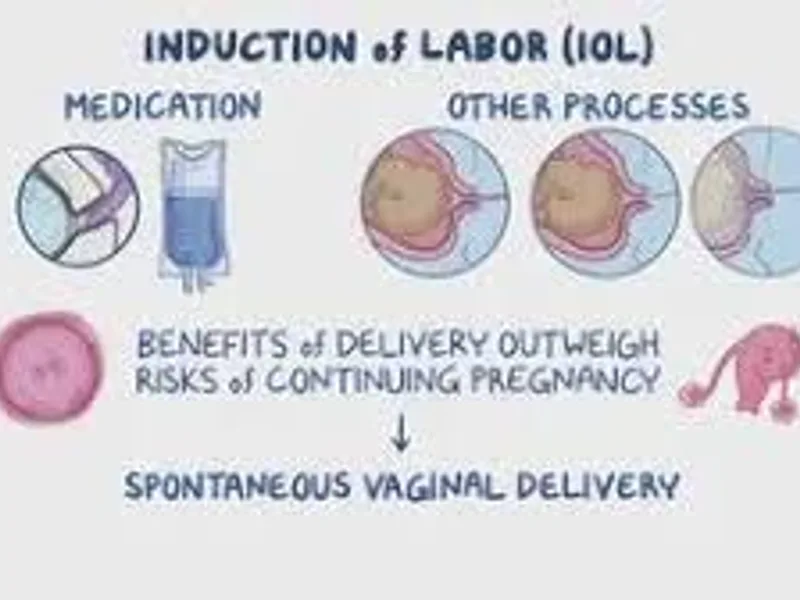
If you’re close to your due date and feeling stuck in waiting mode, this breaks down induction of labor methods in a way that actually makes sense. No jargon, no fluff—just what works, what doesn’t, and what it really feels like from a human perspective.
May 20, 2026