

Emergency & Help
24/7 Emergency & General Advisory
🚨 24/7 Medical Emergency
Non-Emergency Advisory
10:00 AM – 6:00 PM, Mon–Sat
For appointments & general queries.
24/7 Emergency & General Advisory
🚨 24/7 Medical Emergency
Non-Emergency Advisory
10:00 AM – 6:00 PM, Mon–Sat
For appointments & general queries.
At 40 weeks pregnant, you're at the finish line! Learn about your baby's development, common symptoms, what to expect with your body, and when to call your doctor in this final stretch.

Congratulations! You’ve reached the incredible milestone of 40 weeks pregnant. It might feel like this journey has been both a marathon and a sprint, but you’ve made it to the very end of the typical pregnancy timeline. This final stretch can bring a mix of emotions, from eager anticipation to perhaps a touch of impatience. Knowing what to expect for both you and your baby during this time can provide immense comfort and preparedness. Let’s explore what’s happening as you stand on the brink of meeting your little one.
By week 40, your baby is fully developed and ready for their grand entrance. They’re about the size of a small melon, typically measuring between 19 to 22 inches in length and weighing between 7 to 9 pounds. Remember, these are averages, and your baby might be a little larger or smaller – and that’s perfectly normal!
Baby’s Movements: A Key Indicator
One of the most important things to monitor is your baby’s movement. You should be able to feel at least 10 distinct movements within an hour. If you notice a significant decrease in activity or can’t feel those 10 movements, don’t hesitate to contact your doctor or midwife immediately. They may want to check on you and your baby to ensure everything is progressing as it should.
Baby’s Position: Head Down is Ideal
Ideally, your baby has settled into the birth position, with their head pointing downwards towards the birth canal. This position makes vaginal delivery smoother. If your doctor has informed you that your baby is in a breech position (feet or bottom first), don’t panic. There’s still a chance they might turn on their own. Your doctor might try a procedure called external cephalic version (ECV) to gently encourage the baby to turn, but this isn't always successful or recommended for everyone. In some cases, a breech presentation might lead to a discussion about a Cesarean section.
The physical changes you’ve experienced over the last nine months are significant. You’ve likely gained between 25 to 35 pounds, and you might be feeling a sense of exhaustion and a strong desire for this phase to be over. This is completely understandable!
The Waiting Game: Due Dates and Beyond
While 40 weeks is considered the full term, it’s important to remember that due dates are estimates. Around 60% of women go into labor by their due date, but it’s very common for labor to start up to two weeks after the estimated date. You are not alone if your baby decides to take a little extra time!
Medical Guidance on Post-Due Dates
Typically, healthcare providers will monitor you closely if you go past your due date. They usually won't let you go more than a week or so beyond your due date without intervention. If your baby is stubbornly staying put, your doctor might discuss options like induction of labor. Research suggests that inducing labor around 41 weeks can be beneficial in reducing certain risks, such as stillbirth, compared to waiting indefinitely.
Membrane Stripping: A Potential Option
If you’re eager for labor to begin and are at least a week past your due date, you can discuss membrane stripping with your doctor. This is a simple procedure where your doctor uses a gloved finger to gently sweep between the amniotic sac and the uterine wall. While it can be slightly uncomfortable, it can sometimes help to stimulate labor by releasing prostaglandins.
The final days and hours of pregnancy can feel like an eternity, but understanding the common symptoms can help you feel more prepared. Your body is working hard, and these signs indicate that labor is drawing near.
Continued Braxton Hicks Contractions
You've likely been experiencing Braxton Hicks contractions (practice contractions) for a while now. These may become more frequent or intense as your body prepares for labor. Remember, if they become regular, strong, and closer together, they could be the real thing!
Increased Pelvic Pressure
As the baby drops lower into your pelvis (lightening), you might feel increased pressure in your pelvic area. This can make walking or moving around more uncomfortable, but it also means the baby is getting into position for birth.
Changes in Energy Levels
Some women experience a sudden burst of energy, often called nesting instinct, in the final days of pregnancy. Others feel overwhelmingly tired. Listen to your body and rest whenever you can.
Loss of Mucus Plug
You might notice an increase in vaginal discharge, which could include your mucus plug. It might appear as a thick, stringy, or jelly-like substance, possibly tinged with blood. This is a sign that your cervix is beginning to change, but it doesn't necessarily mean labor is imminent – it could still be days away.
Water Breaking
While often depicted dramatically in movies, your water breaking (rupture of the amniotic sac) is a significant sign of labor. It might be a dramatic gush or a slow trickle. If you suspect your water has broken, contact your doctor immediately, as this increases the risk of infection.
At 40 weeks pregnant, you should have a clear plan with your healthcare provider on when to contact them. However, here are some general guidelines:
A Real-Life Scenario:
Priya is 40 weeks pregnant and feeling increasingly anxious. She hasn't felt her baby move as much today, and she's worried. She remembers her doctor telling her to count kicks if she's concerned. After lying down with a cold drink, she manages to feel a few movements, but they still feel weaker than usual. She decides to call her doctor's office, who asks her to come in for a quick check-up, reassuring her that it's best to be safe.
Pack Your Hospital Bag: Ensure your hospital bag is packed and ready to go. Include essentials for you, your partner, and the baby.
Review Your Birth Plan: If you have one, discuss it again with your doctor or midwife. Be flexible, as labor can sometimes take unexpected turns.
Stay Hydrated and Nourished: Drink plenty of water and eat light, nutritious meals. Avoid heavy foods that might make you feel sluggish.
Rest: Try to get as much rest as possible. You’ll need your energy for labor and the early days with your newborn.
Stay Connected: Lean on your support system – partner, family, or friends. Talk about your feelings and any anxieties you may have.
It’s common for movements to feel less intense due to the limited space, but you should still feel consistent activity. If you notice a significant decrease or change in pattern, always contact your doctor.
Some women try methods like walking, eating spicy food, or certain herbal remedies. While these might help some, their effectiveness is not scientifically proven. Discussing membrane stripping or induction with your doctor is the most reliable approach.
It’s very common for babies to arrive after their due date. Your doctor will monitor you and your baby closely and discuss options like induction if necessary after a certain point, usually around 41-42 weeks.
Reaching 40 weeks pregnant is a monumental achievement. Trust your body, stay informed, and communicate openly with your healthcare provider. You are on the verge of meeting your baby, and that’s an extraordinary moment!
Visit Hospital
Near You

Going past your due date can feel like being stuck in a waiting room with no clock. This guide walks you through what actually happens during monitoring after due date pregnancy — the tests, the decisions, and the emotions nobody really prepares you for.
May 20, 2026
Going past your due date can feel like being stuck in a waiting room with no clock. This guide walks you through what actually happens during monitoring after due date pregnancy — the tests, the decisions, and the emotions nobody really prepares you for.
May 20, 2026
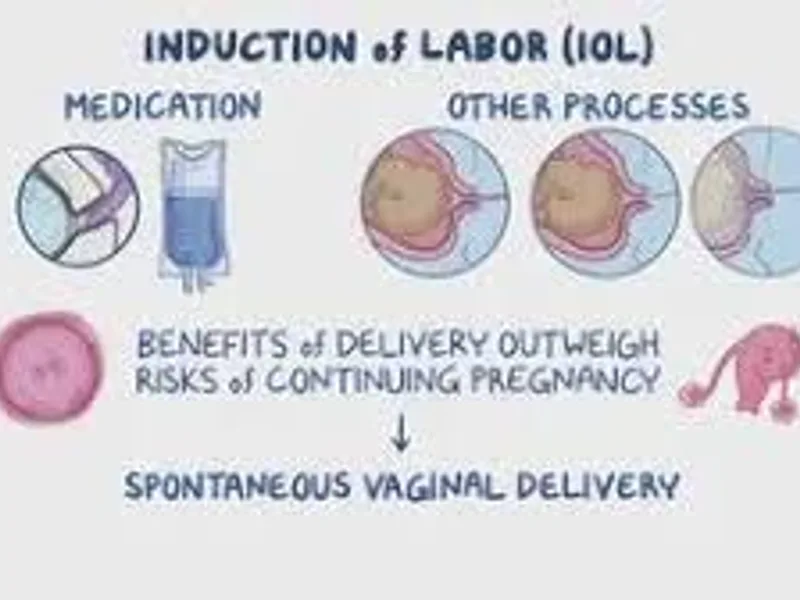
If you’re close to your due date and feeling stuck in waiting mode, this breaks down induction of labor methods in a way that actually makes sense. No jargon, no fluff—just what works, what doesn’t, and what it really feels like from a human perspective.
May 20, 2026