I remember a friend calling me at 40 weeks, half laughing, half panicking — “Is my baby just… not coming?” That mix of excitement and frustration is real. You’ve hit the due date, everyone keeps asking, and yet—nothing. Being 40 weeks pregnant with no contractions can feel like your body forgot the plan. But here’s the thing: this is far more common than most people admit, and in many cases, it’s completely normal.
Why am I 40 weeks pregnant with no contractions yet?
Let’s get one thing straight: your due date is not an expiry date. It’s more like a rough guess. In fact, many healthy pregnancies go past 40 weeks. Doctors usually consider anything up to 41 weeks as within the normal range.
From what I’ve seen, a lot depends on how your body prepares for labor. Some women feel early contractions for days. Others? Nothing until things suddenly start. Hormones play a big role here—especially oxytocin, which kicks off labor. If your body isn’t quite there yet, contractions won’t begin.
Also, first-time pregnancies often run longer. That’s something people rarely mention upfront. Add to that factors like baby position, stress levels, and even sleep, and it starts to make sense why there’s no fixed timeline.
Honestly, the hardest part isn’t the wait itself—it’s the uncertainty. You keep wondering if something’s wrong. Most of the time, it isn’t.
This is where advice gets a bit messy online. You’ll see everything from “just relax” to very questionable home remedies. Let’s keep it real.
Start with movement. Gentle walking can help your baby settle into position. Not magic, but helpful. I’ve seen it make a difference, especially when combined with staying upright during the day.
Then there’s hydration and food. Sounds basic, but being even slightly dehydrated can affect how your body functions, including labor signals. Eat light, regular meals. Nothing extreme.
Some people try natural methods like nipple stimulation or certain exercises. These can work—but only if your body is already close to labor. They won’t force it out of nowhere.
And here’s what most guides won’t tell you: sometimes doing “nothing” is actually the best move. Rest matters. Your body is preparing, even if it feels like it’s doing absolutely nothing.
Stay in touch with your doctor, though. Around this stage, they’ll monitor things like baby movement, fluid levels, and heartbeat. That’s the real safety net.
This part is important. Waiting is fine—but not endlessly.
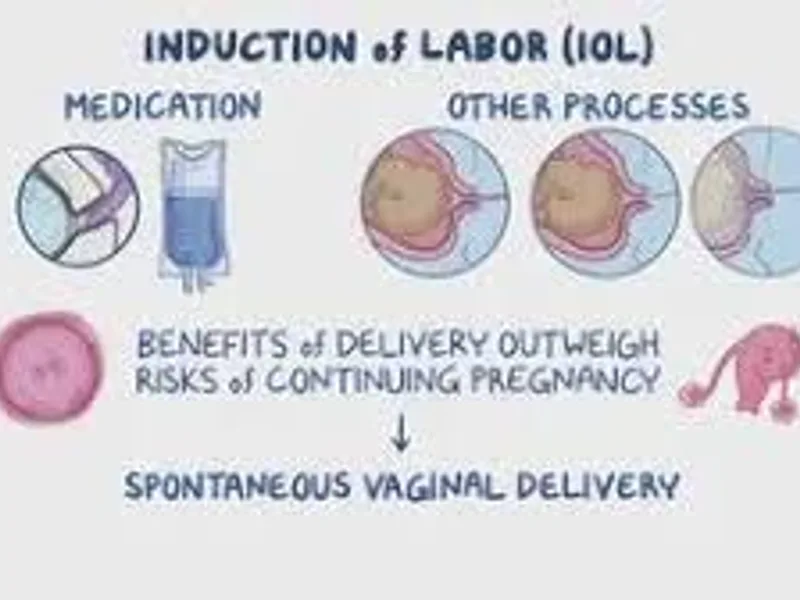
If you go beyond 41 weeks, most doctors start discussing induction. Not because something is wrong immediately, but because risks slowly increase after that point. Reduced amniotic fluid, for example, is something they keep an eye on.
Also, don’t ignore warning signs. Reduced baby movement, unusual pain, or leaking fluid—those are not “wait and see” situations. Get checked.
There’s a tendency to either panic too early or wait too long. The balance comes from regular medical checkups. Trust that process.
And yes, induction sounds scary to some people. But in many cases, it’s just a controlled way to start what your body was going to do anyway.
Conclusion
Reaching 40 weeks pregnant with no contractions can test your patience more than anything else in pregnancy. You’re ready. Your family is ready. The baby, apparently, is taking their time. But most of the time, this delay is completely normal.
Keep moving gently. Stay hydrated. Listen to your body—but also listen to your doctor. There’s a difference between waiting and ignoring signals.
Labor has a strange way of starting when you least expect it. One quiet evening, one random morning—it just begins.
If you’re 40 weeks pregnant with no contractions, you’re not stuck—you’re just in the final stretch that nobody really prepares you for.