

Emergency & Help
24/7 Emergency & General Advisory
🚨 24/7 Medical Emergency
Non-Emergency Advisory
10:00 AM – 6:00 PM, Mon–Sat
For appointments & general queries.
24/7 Emergency & General Advisory
🚨 24/7 Medical Emergency
Non-Emergency Advisory
10:00 AM – 6:00 PM, Mon–Sat
For appointments & general queries.
Discover what to expect at 8 weeks pregnant, including baby's development, common symptoms like nausea and fatigue, and essential health tips for a healthy pregnancy.

Congratulations on reaching 8 weeks of pregnancy! This is a significant milestone, marking the end of the embryonic period and the beginning of the fetal period. Your body is undergoing remarkable changes to support your growing baby, and your little one is developing rapidly. While you might be experiencing a host of new sensations and symptoms, remember that each pregnancy is unique. This guide aims to provide you with clear, practical information about what to expect at 8 weeks pregnant, covering everything from common symptoms and your baby's development to important health tips for you and your little one.
By the end of week 8, your baby, now officially called a fetus, is approximately half an inch long (about 11 to 14 millimeters). While still tiny, the development is astonishing. The embryonic tail that was present in earlier weeks has almost completely disappeared. Your baby's body is taking on a more recognizable human shape. Tiny arms and legs have sprouted, complete with developing fingers and toes. Bones and muscles are forming, laying the foundation for movement and structure.
The development of facial features continues at a rapid pace. The upper jaw and nose are beginning to take shape. Little mounds that will become the outer part of the ears are present, and eyelid folds are starting to cover the eyes. Internally, nerve cells in the brain are forming early neural pathways, and the sense of smell is beginning to develop. All major organs are present, though they are still developing and maturing. If you are carrying twins, each baby will be this size and undergoing similar development.
The hormonal shifts that began earlier in your pregnancy intensify around week 8, often leading to a range of symptoms. These can vary in intensity from person to person, and some may find them more challenging than others.
Often referred to as “morning sickness,” nausea and vomiting can strike at any time of day or night. This is one of the most common symptoms, driven by rising hormone levels. For many, this discomfort tends to ease up within the next 3 to 4 weeks, offering a light at the end of the tunnel.
Real-life scenario: Priya, a first-time mother-to-be, found herself feeling queasy even after brushing her teeth in the morning. She learned to keep plain crackers by her bedside and eat a few before getting out of bed, which helped manage the nausea throughout the day.
Your breasts may feel increasingly full, tender, and sensitive to touch. You might even notice a tingling sensation. This is due to increased blood flow and hormonal changes preparing your body for breastfeeding.
Extreme tiredness is very common. Your body is working overtime to support the pregnancy, and increased progesterone levels can also contribute to feeling sleepy. Prioritizing rest and sleep is essential during this time.
As your pregnancy progresses, hormonal changes can relax the valve between your esophagus and stomach, leading to heartburn. This discomfort may become more noticeable as your pregnancy advances.
You might experience bloating, similar to what you might feel before your period. This is due to the hormone progesterone, which slows down digestion. Your uterus is also beginning to expand, which can contribute to a feeling of fullness.
Some women notice a small amount of weight gain at this stage, typically only a couple of pounds. This is often due to an expanding uterus and increased blood volume.
Taking care of yourself is paramount. Here are some key aspects to focus on:
Continue to focus on a balanced diet rich in essential nutrients. This includes plenty of fruits, vegetables, lean proteins, and whole grains. Staying well-hydrated is also critical. Aim for at least 8-10 glasses of water a day. If you are carrying twins, your nutritional needs will be even higher.
Gentle, safe exercises are encouraged. Activities like walking, swimming, or prenatal yoga can be beneficial. Always consult your doctor before starting or continuing any exercise routine during pregnancy.
For nausea, try eating small, frequent meals. Ginger (in tea or candies) and acupressure wristbands may offer relief for some. For heartburn, avoid spicy or fatty foods and eat slowly. Getting adequate rest can help manage fatigue.
While many symptoms are normal, it's important to be aware of warning signs. You should contact your doctor if you experience:
It's also a good time to schedule your first prenatal appointment if you haven't already. This is where your doctor can confirm your pregnancy, check your baby's heartbeat, and discuss your health history.
Yes, it's possible for symptoms to fluctuate. Some women find their symptoms change intensity, while others might experience a brief lull. If your symptoms disappear suddenly, especially nausea, and you're concerned, it's always best to check in with your doctor, though it's not always a cause for alarm.
Hyperemesis gravidarum is a severe form of morning sickness characterized by persistent vomiting, significant weight loss, and dehydration. If your morning sickness feels unusually intense and is impacting your ability to function or stay hydrated, speak to your doctor immediately.
Often, yes! At your first prenatal appointment, typically around 8 weeks, your doctor may use a Doppler device to listen for your baby's heartbeat. It's an exciting moment for expecting parents.
Disclaimer: This information is for general knowledge and informational purposes only, and does not constitute medical advice. It is essential to consult with a qualified healthcare professional for any health concerns or before making any decisions related to your health or treatment.
Visit Hospital
Near You
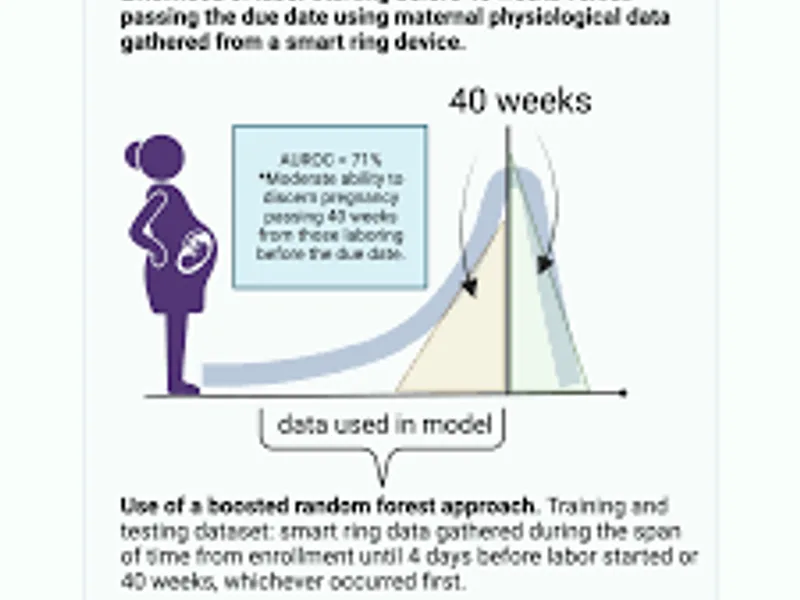
Going past your due date can feel like being stuck in a waiting room with no clock. This guide walks you through what actually happens during monitoring after due date pregnancy — the tests, the decisions, and the emotions nobody really prepares you for.
May 20, 2026
Going past your due date can feel like being stuck in a waiting room with no clock. This guide walks you through what actually happens during monitoring after due date pregnancy — the tests, the decisions, and the emotions nobody really prepares you for.
May 20, 2026
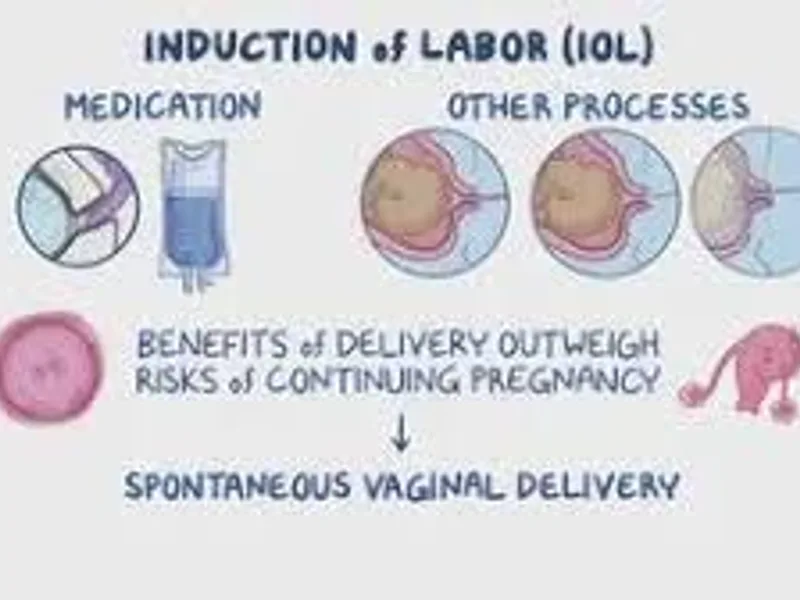
If you’re close to your due date and feeling stuck in waiting mode, this breaks down induction of labor methods in a way that actually makes sense. No jargon, no fluff—just what works, what doesn’t, and what it really feels like from a human perspective.
May 20, 2026