

Emergency & Help
24/7 Emergency & General Advisory
🚨 24/7 Medical Emergency
Non-Emergency Advisory
10:00 AM – 6:00 PM, Mon–Sat
For appointments & general queries.
24/7 Emergency & General Advisory
🚨 24/7 Medical Emergency
Non-Emergency Advisory
10:00 AM – 6:00 PM, Mon–Sat
For appointments & general queries.
At 9 weeks pregnant, your baby is rapidly developing. Learn about common symptoms like nausea and fatigue, and find practical tips to manage them. Understand your body's changes and when to seek medical advice.

Congratulations! You’ve reached the 9-week mark in your pregnancy journey. This is a significant milestone, and it's a time when many changes are happening both for your developing baby and for your own body. You might be experiencing some of the most intense early pregnancy symptoms right about now, as the pregnancy hormone hCG (human chorionic gonadotropin) is likely at or nearing its peak levels. While this can feel challenging, remember that these symptoms are a sign that your body is working hard to support your growing little one. Let's explore what’s happening at 9 weeks pregnant, covering everything from your baby's development to managing those common symptoms.
At 9 weeks pregnant, your baby, now about 3/4-inch long (roughly the size of a grape or an olive), is undergoing incredible development. Major organs, including the heart, brain, kidneys, and intestines, are continuing to form and mature. Tiny fingers and toes are becoming more distinct, and the arms are growing longer, with elbows that can bend. Eyelids are forming over the eyes, and the ears that began to emerge last week continue to take shape. While you can't feel it yet, your baby is becoming more active, with developing muscles and reflexes. In some cases, a healthcare provider might be able to detect the baby's heartbeat using a handheld Doppler ultrasound.
The hormonal surge at 9 weeks often means your early pregnancy symptoms are at their most pronounced. It’s completely normal to feel overwhelmed by these changes, but understanding them can help you cope.
For many expectant mothers, nausea and vomiting (often called morning sickness, though it can strike at any time of day) are significant challenges around week 9. The heightened levels of hCG are a primary culprit. You might find yourself feeling queasy more frequently, and certain smells or foods could trigger a strong aversion.
Real-life scenario: Priya, a first-time mom-to-be, found herself feeling constantly nauseous, especially in the mornings. Even the smell of her favourite coffee seemed unbearable. She started keeping small, bland snacks like crackers by her bedside to nibble on before getting out of bed, which provided some relief.
The sheer amount of work your body is doing to nurture your baby can leave you feeling profoundly tired. Increased progesterone levels also contribute to this sleepiness. It’s important to listen to your body and rest whenever you can. Simple naps can make a big difference.
Your breasts continue to prepare for breastfeeding. They may feel larger, heavier, and more sensitive or sore than usual. You might also notice that your nipples have become darker and more prominent. Increased blood flow to the breasts can make veins appear more visible.
The hormonal rollercoaster of early pregnancy can lead to unpredictable mood shifts. You might experience moments of joy followed by irritability or tearfulness. This is a common and normal part of pregnancy. Allowing yourself to feel these emotions without judgment is key.
Get ready for some interesting food preferences! You might develop strong cravings for specific foods or find yourself suddenly disliking things you once enjoyed. Conversely, some foods might become appealing that you never considered before.
Other symptoms that might persist or intensify include:
Dealing with these symptoms can be tough, but there are effective strategies to help you feel more comfortable:
While symptoms might be your primary focus, other physical changes are occurring. Your uterus is expanding to accommodate your growing baby, which might cause your lower belly to feel firmer. You may notice that your regular clothes are starting to feel a bit snug, not necessarily due to a visible baby bump, but from this internal growth and potential bloating.
If you are carrying twins or more, your pregnancy symptoms might be more intense than those carrying a single baby. Some women discover they are expecting multiples around this time if an ultrasound is performed. Carrying multiples requires additional care and close consultation with your healthcare team to monitor for potential complications such as intrauterine growth restriction or twin-to-twin transfusion syndrome.
While many pregnancy symptoms are normal, it's vital to stay connected with your healthcare provider. You should contact your doctor if you experience:
Remember, your healthcare team is there to support you through every stage of your pregnancy. Don't hesitate to reach out with any questions or worries.
A1: For many, symptoms like nausea and fatigue peak around 9 weeks due to hCG levels. However, every pregnancy is unique. Some people experience milder symptoms, while others might have them intensify later.
A2: No, at 9 weeks, the baby is still too small to be felt moving. You'll typically start feeling those first flutters between 16 and 25 weeks of pregnancy.
A3: Absolutely! Cravings and aversions are very common at this stage, largely due to hormonal changes. Try to maintain a balanced diet as much as possible, but don't beat yourself up if you can't always.
A4: It's unlikely you'll have a noticeable baby bump at 9 weeks, especially if this is your first pregnancy. The tightness is more likely due to your uterus expanding internally and some bloating caused by hormones.
A5: While many women experience significant symptoms, some don't. This doesn't necessarily mean anything is wrong. If you're concerned, discuss it with your doctor, but try not to worry if you're feeling relatively well.
Visit Hospital
Near You
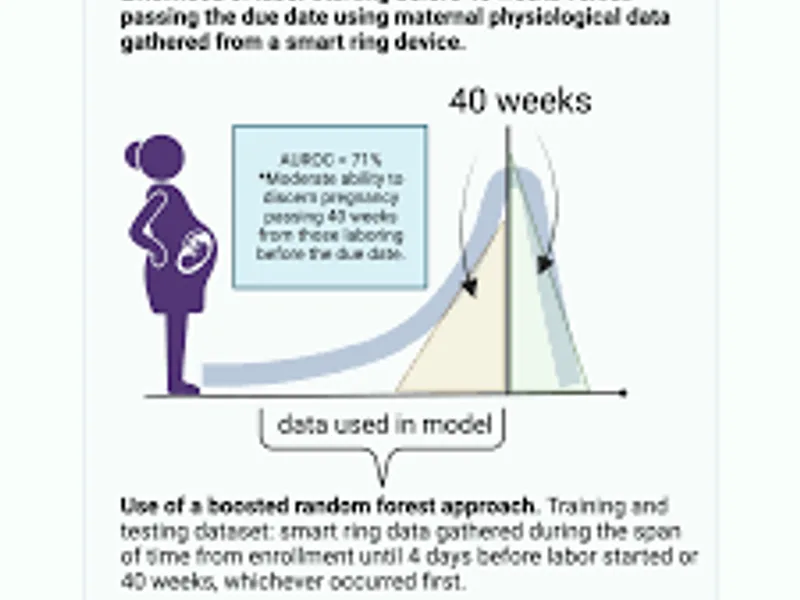
Going past your due date can feel like being stuck in a waiting room with no clock. This guide walks you through what actually happens during monitoring after due date pregnancy — the tests, the decisions, and the emotions nobody really prepares you for.
May 20, 2026
Going past your due date can feel like being stuck in a waiting room with no clock. This guide walks you through what actually happens during monitoring after due date pregnancy — the tests, the decisions, and the emotions nobody really prepares you for.
May 20, 2026
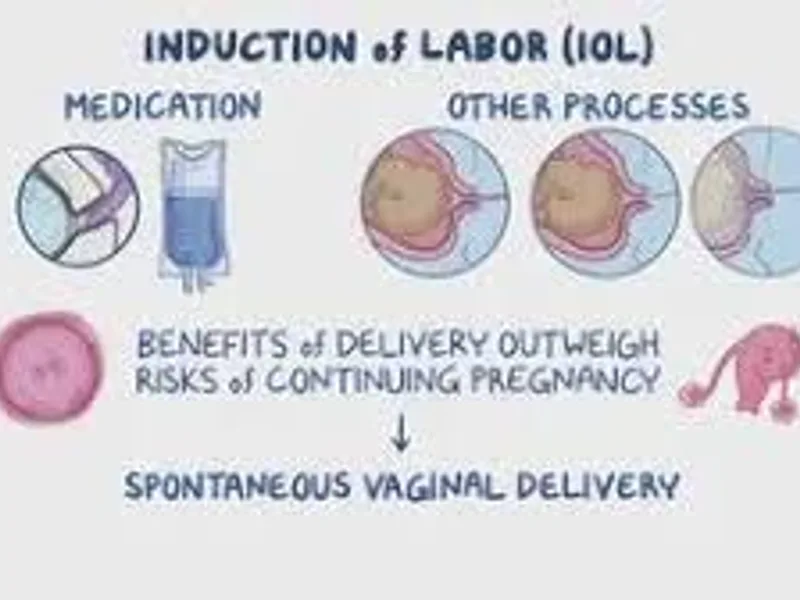
If you’re close to your due date and feeling stuck in waiting mode, this breaks down induction of labor methods in a way that actually makes sense. No jargon, no fluff—just what works, what doesn’t, and what it really feels like from a human perspective.
May 20, 2026