

Emergency & Help
24/7 Emergency & General Advisory
🚨 24/7 Medical Emergency
Non-Emergency Advisory
10:00 AM – 6:00 PM, Mon–Sat
For appointments & general queries.
24/7 Emergency & General Advisory
🚨 24/7 Medical Emergency
Non-Emergency Advisory
10:00 AM – 6:00 PM, Mon–Sat
For appointments & general queries.
Understand Anti-Mullerian Hormone (AMH) testing, its role in assessing ovarian reserve, and what results mean for fertility and IVF. Learn about AMH levels, egg quality, and when to consult a doctor.

In the journey of understanding reproductive health, certain hormones play a pivotal role, even if they aren't as commonly discussed as estrogen or progesterone. Anti-Mullerian hormone, or AMH, is one such hormone. Produced by the granulosa cells within your ovarian follicles, AMH is a key indicator of your ovarian reserve – essentially, the number of eggs you have available at any given time. Think of your ovaries as a basket filled with eggs from birth; as you go through life, this basket gradually empties. An AMH test offers a snapshot of how full that basket is.
While a low AMH level often suggests Diminished Ovarian Reserve (DOR), meaning your egg supply is lower than expected for your age, it's vital to understand that this is not a definitive diagnosis of infertility. Similarly, AMH levels don't tell you about the quality of the eggs remaining in your basket. This distinction is crucial because even with a lower egg count, some eggs might still be viable for conception. The American College of Obstetricians and Gynecologists (ACOG) advises against routine AMH testing for individuals who are not experiencing infertility, as results can sometimes cause unnecessary anxiety.
Why is AMH Testing Important?
AMH testing is most valuable in specific contexts:
However, it's important to temper expectations. AMH does not accurately predict your chances of conceiving naturally. For instance, a woman in her late 20s with a seemingly low AMH might still conceive naturally without issues, while another with a higher AMH might face challenges due to other factors affecting fertility.
Dr. Mark P. Trolice, a renowned fertility expert, emphasizes that testing AMH in women under 35 who are not actively trying to conceive or diagnosed with infertility can lead to undue stress. If 100 women in their 20s are tested and 15 receive a DOR label, it might cause significant worry, even if only a few of them will genuinely struggle with conception.
Understanding AMH Levels and What They Mean
AMH levels naturally decline with age. Here’s a general guideline, though individual variations exist:
It’s critical to remember that these are not absolute cutoffs. Your doctor will interpret these results in the context of your age, medical history, and other fertility indicators.
AMH and Egg Quality: A Crucial Distinction
As women age, especially past their mid-30s, the proportion of chromosomally abnormal eggs increases. Lower AMH levels, particularly in older women, correlate with fewer eggs retrieved during IVF. This means a lower number of eggs also translates to fewer potentially viable embryos. While lower AMH can affect IVF success rates, this impact becomes more pronounced in women in their late 30s and beyond. The analogy of an egg basket is helpful: in your 20s and early 30s, you typically have more eggs, and a higher percentage of them are of good quality (like
Most people do not notice early warning signs right away. That is common. A simple symptom diary, basic routine checks, and timely follow-up visits can prevent small problems from becoming serious.
If you are already on treatment, stay consistent with medicines and lifestyle advice. If your symptoms change, do not guess. Check with a qualified doctor and update your plan early.
Write down symptoms, triggers, and timing for a few days.
Carry old prescriptions and test reports to your consultation.
Ask clearly about side effects, red-flag signs, and follow-up dates.
Seek urgent care for severe pain, breathing trouble, bleeding, fainting, or sudden worsening.
Visit Hospital
Near You
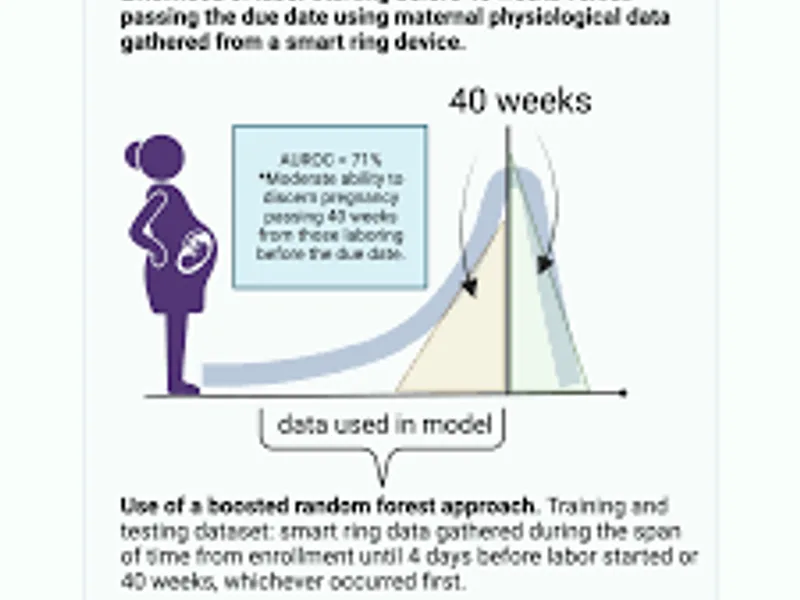
Going past your due date can feel like being stuck in a waiting room with no clock. This guide walks you through what actually happens during monitoring after due date pregnancy — the tests, the decisions, and the emotions nobody really prepares you for.
May 20, 2026
Going past your due date can feel like being stuck in a waiting room with no clock. This guide walks you through what actually happens during monitoring after due date pregnancy — the tests, the decisions, and the emotions nobody really prepares you for.
May 20, 2026
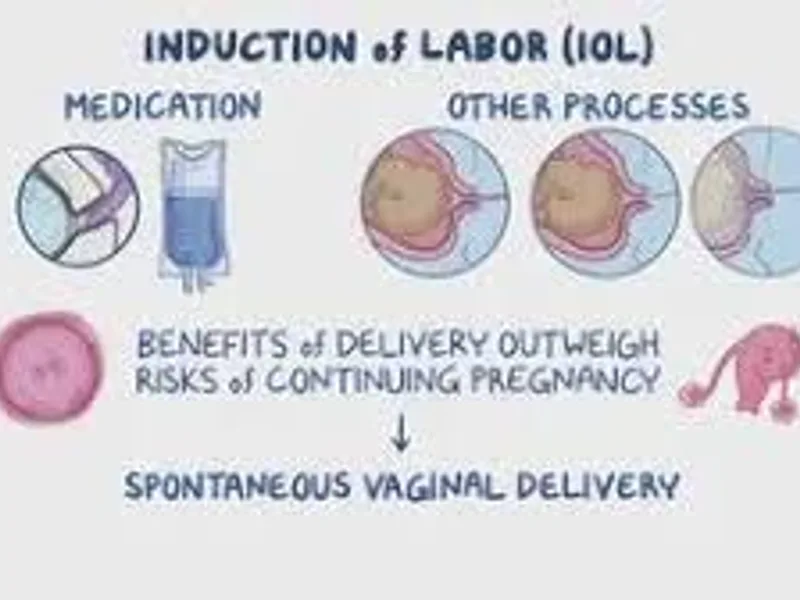
If you’re close to your due date and feeling stuck in waiting mode, this breaks down induction of labor methods in a way that actually makes sense. No jargon, no fluff—just what works, what doesn’t, and what it really feels like from a human perspective.
May 20, 2026