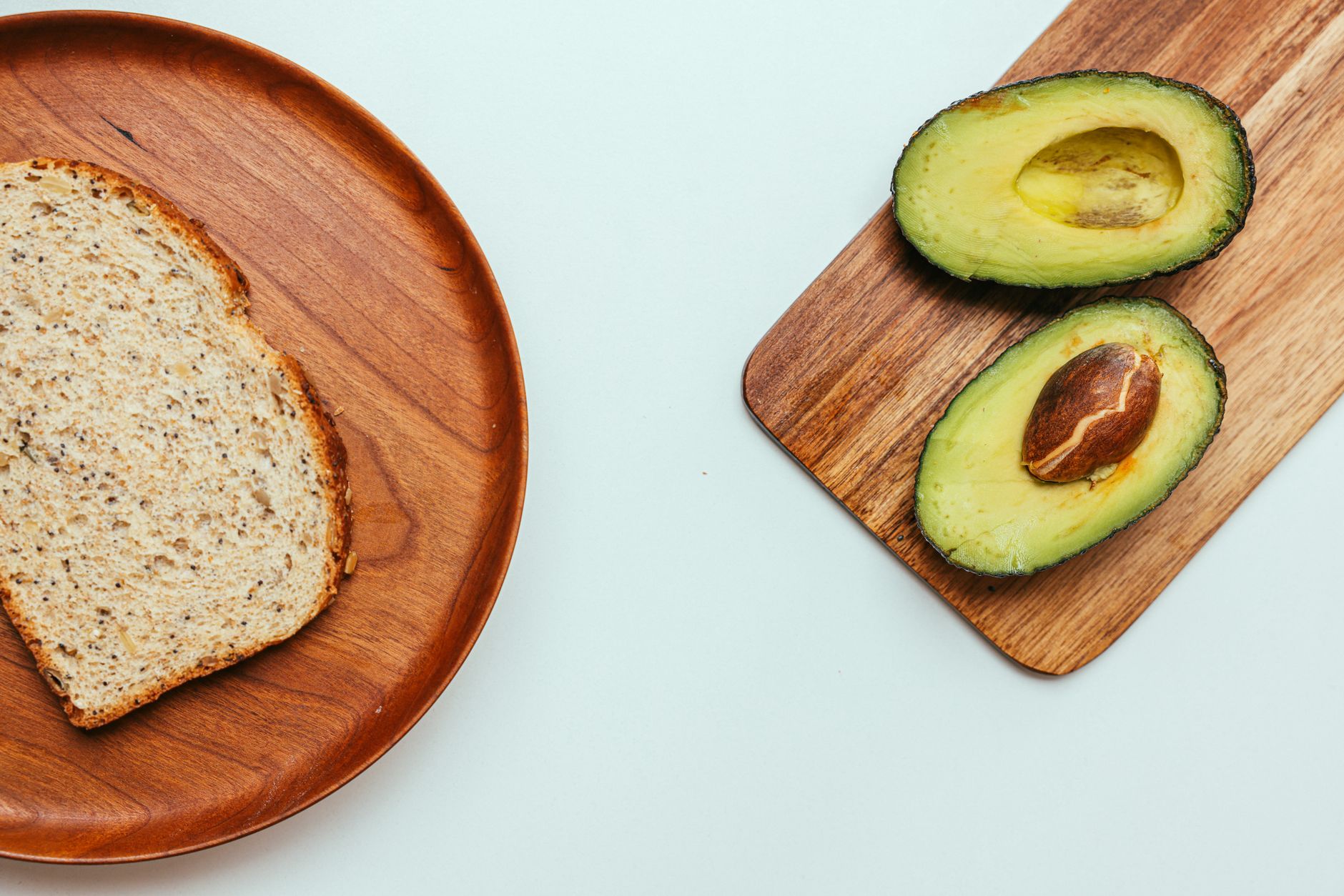
Pregnancy is a special time, and what you eat plays a vital role in your health and your baby's development. While you're busy navigating morning sickness, cravings, and preparing for your little one, thinking about nutrition can sometimes feel like another task on an endless list. But what if there was a delicious, versatile food that could help you meet many of your increased nutritional needs? Enter the avocado!
This creamy, satisfying fruit (yes, it's botanically a fruit!) has gained a reputation as a superfood, and for good reason, especially during pregnancy. It's packed with essential vitamins, minerals, healthy fats, and fiber that can benefit both you and your growing baby. Let's explore why avocados deserve a spot on your pregnancy plate.
Why Avocados Are a Pregnancy Powerhouse
During pregnancy, your body's demands for certain nutrients increase significantly. Avocados can help you meet these demands, offering a wide array of benefits:
1. A Rich Source of Fiber for Digestive Health and More
Many pregnant individuals struggle with constipation due to hormonal changes and pressure from the growing uterus. Fiber is your best friend in keeping things moving smoothly. Unfortunately, many diets fall short on this essential nutrient. Here's the good news: just half an avocado (about 100 grams) provides nearly 7 grams of fiber. This is about 25 percent of the recommended minimum daily intake of 28 grams for pregnant women. Adequate fiber intake not only promotes healthy bowel movements but may also help reduce the risk of gestational diabetes and preeclampsia.
2. Packed with Healthy Fats for Baby's Development and Mom's Well-being
Fat is not the enemy, especially during pregnancy! Healthy fats are incredibly important for your baby's brain and eye development, and they also help you feel satisfied after meals, curbing those endless cravings. Avocados are loaded with monounsaturated fats, which are heart-healthy. These fats can help regulate blood sugar levels, contribute to a feeling of fullness, and even improve sleep quality, potentially easing pregnancy insomnia. Imagine a light evening snack of whole-wheat toast with mashed avocado – it's satisfying and nutrient-dense!
3. Essential Folate for Fetal Development
Folate (also known as folic acid when in supplement form) is absolutely critical during pregnancy, particularly in the early stages. It plays a vital role in preventing neural tube defects, serious birth defects of the brain and spine. While prenatal vitamins are a must, dietary sources of folate are also important. Half an avocado provides about 14 percent of your daily folate needs during pregnancy. This makes it a delicious way to supplement your intake.
4. Potassium for Blood Pressure Management
Maintaining healthy blood pressure levels is crucial during pregnancy, as high blood pressure can lead to complications like preeclampsia. Avocados are a concentrated source of potassium, a mineral that helps regulate blood pressure. Just half an avocado contains 485 mg of potassium. Studies have shown that increasing potassium intake during pregnancy can significantly reduce the risk of developing high blood pressure. This is especially helpful as many processed foods, which pregnant women might rely on for convenience, are often high in sodium and low in potassium.
5. Antioxidants for Cellular Protection
Pregnancy involves significant changes in your body, and antioxidants help protect your cells from damage. Avocados are rich in powerful antioxidants, including lutein. Lutein is a carotenoid important for your baby's eye development and brain function. Because lutein is fat-soluble, your body absorbs it more effectively from avocados compared to fruits or vegetables with lower fat content. Other antioxidants found in avocados include beta-carotene and zeaxanthin.
6. Vitamin C and Magnesium for Overall Health
Your needs for certain vitamins and minerals, like Vitamin C and magnesium, increase during pregnancy. Vitamin C is an antioxidant that supports your immune system and helps your body absorb iron. Magnesium is involved in numerous bodily functions, including muscle and nerve function, blood sugar control, and blood pressure regulation. Avocados are a good source of both these vital nutrients, helping you meet your increased requirements.
7. Supporting Healthy Lipid and Blood Sugar Levels
The healthy fats and fiber in avocados can contribute to maintaining stable blood sugar levels, which is particularly important for preventing or managing gestational diabetes. By promoting satiety and aiding in blood sugar regulation, avocados help create a more balanced metabolic environment during pregnancy.
Incorporating Avocados into Your Pregnancy Diet
The beauty of avocados lies in their versatility. They can be easily added to a variety of meals and snacks:
- Breakfast: Mash avocado on whole-wheat toast, add it to scrambled eggs or an omelet, or blend it into a smoothie for added creaminess and nutrients.
- Lunch: Top your salads, sandwiches, or wraps with slices of avocado. It adds a satisfying richness and healthy fats.
- Dinner: Serve avocado as a side dish, add it to tacos or fajitas, or use it as a base for a healthy salad dressing.
- Snacks: Enjoy half an avocado with a sprinkle of salt and pepper, or create a simple guacamole with lime juice and a few spices.
Scenario: Sarah is in her second trimester and struggling with feeling full after meals, often reaching for less healthy snacks. Her doctor suggested incorporating more healthy fats. Sarah starts adding half an avocado to her lunchtime salad and enjoys a small bowl of guacamole as an afternoon snack. She finds she feels more satisfied and has fewer cravings for sugary treats.
When to Consult Your Doctor
While avocados are generally safe and highly beneficial during pregnancy, it's always wise to discuss your diet with your healthcare provider. They can offer personalized advice based on your specific health needs and any existing conditions, such as gestational diabetes or high blood pressure. If you have any concerns about specific foods or dietary changes, don't hesitate to ask your doctor or a registered dietitian.
Frequently Asked Questions (FAQ)
Can I eat avocado every day during pregnancy?
Yes, in moderation, eating avocado daily during pregnancy is generally safe and beneficial due to its rich nutrient profile. However, it's important to maintain a balanced diet and not rely solely on avocados. Stick to about half to one whole avocado per day, depending on your overall caloric and fat intake.
Are there any risks associated with eating avocado during pregnancy?
For most pregnant individuals, there are no significant risks. However, avocados are calorie-dense, so be mindful of portion sizes as part of your overall diet. If you have specific allergies or digestive sensitivities, consult your doctor.
What are the signs of avocado allergies?
While rare, avocado allergies can occur. Symptoms might include itching or irritation of the mouth and throat, hives, or gastrointestinal upset. If you experience any of these after eating avocado, seek medical advice.
Avocados are more than just a trendy addition to toast; they are a nutritional powerhouse that can significantly support a healthy pregnancy. By incorporating this delicious fruit into your meals, you can help ensure you and your baby receive essential nutrients for optimal growth and well-being.